
Categories
Blog

Building a Local Workforce: The Economic Impact of Vocational Training in Andover

Understanding the Economic Benefits of Vocational Training

Vocational training plays a crucial role in shaping a skilled workforce that meets the demands of today’s job market. By providing targeted education in fields like healthcare, technology, and skilled trades, vocational institutes create a direct pathway to employment. This targeted approach not only equips individuals with marketable skills but also significantly boosts local economies. Skilled workers contribute to lower unemployment rates and increased productivity, fostering a more resilient economic environment.

Young adults and mid-career changers in Andover, Massachusetts, benefit from these programs by gaining access to stable, well-paying jobs. For businesses, this means a steady supply of qualified employees who can help reduce turnover rates and recruitment costs. As companies invest in local talent, community growth and sustainability become achievable goals.

How LARE Institute Contributes to Local Workforce Development

LARE Institute is at the forefront of vocational training in Andover, offering a range of programs tailored to meet the specific needs of the community. By emphasizing personalized support and a family-like atmosphere, LARE ensures that students not only acquire essential skills but also feel empowered to succeed. The institute’s commitment to community involvement reinforces its role as a pivotal force in workforce development.

Programs like Business Technology and Skilled Trades are designed to align with industry demands, providing students with relevant, hands-on experience. This alignment ensures that graduates are job-ready, meeting the specific needs of local employers and driving economic prosperity.

Collaborative Efforts: Partnering with Businesses for Community Growth

Partnerships between LARE Institute and local businesses are instrumental in nurturing a thriving workforce. Small to medium-sized businesses in sectors like healthcare and technology benefit from the institute’s dedication to cultivating well-trained graduates. By collaborating with LARE Institute, businesses can tap into a pipeline of skilled workers who are well-prepared to integrate and contribute positively to their teams.

These partnerships extend beyond mere recruitment. They foster a collaborative environment where educational institutions and businesses work together to address workforce challenges and drive community development. By investing in vocational training, businesses not only enhance their workforce but also play a crucial role in strengthening community ties.

Real-Life Impact: Graduates Supporting Andover’s Economy

LARE Institute graduates are a testament to the transformative power of vocational training. Many have shared their success stories, illustrating how the institute’s supportive environment and comprehensive programs have empowered them to secure meaningful employment. These graduates contribute significantly to the local economy by filling critical roles in healthcare, technology, and skilled trades.

Their success translates to improved financial stability for their families and increased economic activity in Andover. As more individuals gain access to rewarding careers, the community benefits from a more robust workforce that supports local businesses and drives economic growth.

Future Prospects: Strengthening Community Ties Through Education

The future of Andover’s economy is closely linked to the continued success of vocational training programs. By investing in education and fostering a nurturing community, LARE Institute is laying the groundwork for sustained economic growth. As more individuals and businesses recognize the value of vocational training, the potential for a vibrant and prosperous community becomes even more attainable.

With a focus on personalized support and empowerment, LARE Institute is committed to transforming lives and strengthening community ties. As graduates continue to thrive and contribute to the local economy, the institute’s impact will resonate for generations, ensuring a brighter future for all.

Ready to take the next step in building a successful career or strengthening your business with skilled talent? Contact LARE Institute today to learn how our programs can help you achieve your goals and become part of a supportive community dedicated to growth and success.

Categories
Blog

Harnessing Technology in Vocational Training: Preparing for the Future Workforce

Emerging Tech Trends Impacting Vocational Education

In today’s rapidly evolving job market, staying ahead requires an understanding of emerging technologies that are reshaping vocational education. Technologies such as artificial intelligence, virtual reality, and data analytics are not just buzzwords; they are integral components of modern vocational training. These advancements provide students with hands-on experience that mirrors real-world applications, preparing them for dynamic career paths in sectors like healthcare, IT, and skilled trades.

As industries adopt these technologies, vocational institutions must integrate them into their curriculum to ensure students are job-ready. For example, in healthcare, simulation-based training using VR allows students to practice procedures in a risk-free environment. Similarly, IT programs are embracing AI to teach students about automation and machine learning, core skills for future tech professionals.

LARE Institute’s Innovative Tech Integration in Training Programs

At LARE Institute, we are committed to empowering students through cutting-edge technological integration. Our Business Technology and Health Science programs exemplify how we incorporate technology to enhance learning outcomes. By leveraging tools like augmented reality and cloud-based learning platforms, we provide an immersive educational experience that equips students with practical skills and a competitive edge.

Our skilled trades training also benefits from technology with state-of-the-art equipment and digital resources, fostering a learning environment that mirrors current industry standards. This approach not only prepares students for immediate employment but also instills a lifelong adaptability to technological advancements.

Benefits of Technology-Driven Learning for Career Readiness

Technology-driven learning offers numerous benefits that align with our mission of providing supportive and empowering education. First, it enhances engagement through interactive content, making complex subjects more accessible and enjoyable. Second, it allows personalized learning experiences, catering to diverse learning styles and paces, which is crucial for students balancing family responsibilities.

Moreover, the integration of technology in our curriculum ensures that graduates possess not only vocational skills but also digital literacy, a critical asset in today’s job market. Our students leave LARE Institute with the confidence and competence to pursue rewarding careers and improve their family’s quality of life.

Case Studies: Students Thriving with Tech-Enhanced Skills

Our success stories speak volumes about the impact of technology-enhanced education. Take, for instance, a recent graduate from our IT program who secured a position at a leading tech firm due to their proficiency in data analytics and cloud computing. Similarly, a healthcare graduate utilized VR training to excel in surgical procedures, earning recognition at a renowned hospital.

These narratives highlight how LARE Institute’s commitment to tech integration not only meets industry demands but also transforms lives by providing students with the tools they need to succeed.

How to Get Involved: Upcoming Tech Workshops and Courses

We invite individuals and businesses in Andover, Massachusetts, to explore our upcoming tech workshops and courses. These opportunities are designed to provide hands-on experience with the latest technologies across various sectors. Whether you’re a young adult looking to enter the workforce or a business seeking to upskill your team, our programs offer the resources you need to thrive.

Visit our contact page to learn more about enrollment and partnership opportunities. Together, we can cultivate a skilled workforce that strengthens our community and fulfills your business needs.

At LARE Institute, you’re not just gaining skills—you’re joining a community that believes in your potential and stands by you as you build a better future for yourself and your family. Partner with us to invest in local talent, and together, we’ll cultivate a workforce that strengthens our community and fulfills your business needs.

Ready to advance your career?

Contact us today and discover how our team can help you achieve your goals. Get in touch →

Categories
Blog

Personalized Learning Paths: How Customized Vocational Training Benefits Adult Learners

Understanding the Needs of Diverse Learners in Vocational Education

In today’s fast-paced world, the demand for skilled professionals is ever-growing. Yet, the journey to acquiring these skills is unique for each individual. At LARE Institute, we recognize that learners come from diverse backgrounds, each with their own aspirations and challenges. Our approach is to understand these distinct needs, ensuring that our vocational education is not just a one-size-fits-all solution, but a personalized pathway to success.

Our programs cater to young adults eager to start their careers, as well as mid-career changers seeking new opportunities. By focusing on the specific demographics, such as those with high school diplomas or some college experience, we tailor our offerings to meet the needs of low to middle-income individuals looking for career advancement. Our commitment extends to supporting individuals with family responsibilities, helping them improve their quality of life through education.

Designing Personalized Learning Plans at LARE Institute

Personalization is at the core of LARE Institute’s educational philosophy. We engage learners with customized learning plans that align with their career goals and personal circumstances. Our expert instructors collaborate with students to identify their strengths and areas for improvement, creating a roadmap that guides them through their educational journey.

These learning plans are designed to be flexible, accommodating the busy lives of our students. Whether pursuing a career in health science, business technology, or skilled trades, our students receive the support they need to succeed. This approach not only enhances their learning experience but also ensures they are job-ready upon graduation.

The Impact of Customized Training on Career Outcomes

Customized vocational training has a profound impact on career outcomes, particularly for adult learners. By focusing on individual needs, LARE Institute empowers students to excel in their chosen fields. This targeted approach results in higher job placement rates and greater job satisfaction.

Our graduates are not just equipped with technical skills but also with the confidence to adapt and thrive in dynamic work environments. Local businesses, such as those in healthcare and technology sectors, value the partnership with LARE Institute for providing a steady pipeline of well-trained, locally sourced talent. This synergy supports community growth and sustainability, bolstering the local economy.

Supporting Adult Learners: Balancing Education with Life Responsibilities

Adult learners often face the challenge of balancing education with family and work commitments. At LARE Institute, we are dedicated to providing the resources and support necessary to help them succeed. Our supportive community ensures that students are never alone on their journey.

We offer flexible class schedules and personalized tutoring to accommodate the unique demands of adult learners. Our commitment to creating a family-like atmosphere means that students receive personalized attention and guidance, reinforcing their motivation to achieve their goals.

Testimonials: Transformative Experiences from Personalized Programs

Our students’ success stories speak volumes about the transformative power of personalized learning. Many have shared how their experiences at LARE Institute have not only equipped them with new skills but also instilled a sense of belonging and empowerment.

As one graduate noted, “At LARE Institute, you’re not just gaining skills—you’re joining a community that believes in your potential and stands by you as you build a better future for yourself and your family.” These testimonials highlight the institute’s role in fostering a supportive and empowering environment that drives success.

Discover how personalized learning at LARE Institute can be the key to unlocking your potential and achieving your career aspirations. Contact us today to learn more about our programs and how we can support your journey toward a brighter future.

Ready to advance your career?

Contact us today and discover how our team can help you achieve your goals. Get in touch →

Categories
Blog

How to Transition from Vocational Training to the Workforce

Vocational training gives us more than just technical skills—it prepares us for real opportunities in the workforce. But stepping from the classroom into a new job often comes with questions. How do we start the job search? How can we show employers the value of our training? Whether we’re entering a new field or moving up in our career, understanding the path from training to employment is key.

A solid job search plan, clear communication of our skills, and a professional approach to networking all help set us up for success. Let’s look at how to navigate this important transition with confidence and purpose.

Understanding the Job Search Process After Training

The job search process can feel overwhelming if we don’t know where to start. Knowing what to expect helps us stay organized and motivated. The first step is to clearly identify the type of roles we’re qualified for based on our training and certifications.

Here are some basic job search steps we can follow:

  • Research job titles and industries that match the skills we’ve learned during training.
  • Create a professional resume that highlights our training, certifications, and hands-on experience.
  • Sign up for job boards and alerts specific to our field, such as trade industry websites or local employment services.
  • Set a weekly goal for how many applications we want to submit or contacts we want to make.
  • Prepare a brief introduction—sometimes called an elevator pitch—that explains who we are and what we offer.

Starting the search with a plan keeps us moving forward and makes the process feel manageable.

How to Market Your Skills and Certifications to Employers

Employers want to know not just what we’ve learned, but how we can apply it on the job. This is where we focus on marketing our skills in a way that speaks directly to the needs of the workplace.

Some ways we can present our training and skills include:

  • Highlight certifications prominently on our resume and mention them in cover letters and interviews.
  • Explain hands-on experience by describing real tasks we’ve completed, even if they were part of a class or project.
  • Use industry language when talking about our skills so employers see we understand the field.
  • Connect skills to results by giving examples of how our training helps solve real problems or complete specific tasks.

We don’t need to wait until we have years of experience to show that we’re ready for the workforce. By confidently explaining how our training prepared us for the job, we help employers see the value we bring.

Preparing for Interviews in Your Chosen Field

Once we’ve secured interviews, preparation becomes our best tool for making a strong impression. An interview is our chance to explain not just what we’ve learned, but how we’ll contribute to the organization. We want to show employers that we’re reliable, capable, and ready to work.

Here’s how we can prepare effectively:

  • Research common interview questions in our field and practice answering them out loud.
  • Review our training experiences so we can confidently discuss projects, certifications, and skills.
  • Dress professionally and arrive early, showing respect for the opportunity and the employer’s time.
  • Prepare a few questions for the interviewer to show our interest in the company and the role.
  • Practice explaining our skills clearly without using too much technical jargon.

Good interview preparation builds confidence and allows us to focus on making a positive connection with the employer.

Building a Network of Industry Contacts and Mentors

Building professional relationships is a powerful way to grow our career opportunities. Networking gives us access to advice, job leads, and industry knowledge we may not find on our own.

We can build our network by:

  • Staying connected with classmates, instructors, and training staff who know our strengths and goals.
  • Attending industry events or local job fairs to meet potential employers and contacts.
  • Joining professional organizations or online groups related to our field of study.
  • Seeking out mentors who can offer guidance and insight into our chosen career path.

Networking isn’t just about finding jobs—it’s about learning from others and staying informed about industry trends.

Using Job Placement Services and Career Resources

We don’t have to navigate the transition from training to employment alone. Job placement services and career resources can make a big difference in finding the right opportunity and preparing for success.

Here are some key resources we should use:

  • Job placement assistance offered by our vocational training program or local career centers.
  • Workshops on resume writing, interviewing, and job search skills available through our school or community organizations.
  • Online job boards and industry-specific hiring platforms that list current openings in our field.
  • Case managers or career advisors who can help us set realistic goals and provide support along the way.

These services are designed to help us take the next step with confidence and clarity.

Start Your Career Journey with Confidence

Transitioning from vocational training to the workforce is a rewarding milestone—and it’s easier when we have the right support. By understanding the job search process, presenting our skills clearly, preparing for interviews, building strong connections, and using available resources, we set ourselves up for success in our new career.

We’re here to help you make that transition. Contact us to learn more about our programs, meet with a case manager, or get started on your path to a better future.

Ask ChatGPT

Categories
Blog

Building Confidence Through Hands-On Learning in Vocational Training

Vocational training is built on real-world skills and practical experience. While classroom instruction lays the foundation, hands-on learning is where we truly develop confidence in what we’re doing. By working directly with tools, technology, and processes used on the job, we gain the kind of experience that can’t be taught through lectures or textbooks. Confidence doesn’t come from memorizing information—it grows when we apply that knowledge in real situations and see results for ourselves.

Whether we’re learning in a lab, workshop, or simulated work environment, each task we complete helps build trust in our abilities. This is the heart of vocational education and why it can open doors for those looking to change their lives through practical training.

The Link Between Practical Experience and Confidence

We often hear that confidence comes with experience—and in vocational training, that’s absolutely true. The more we work with real tools, equipment, or processes, the more familiar they become. This familiarity takes away much of the fear or hesitation we might feel when trying something new.

For example:

  • Handling tools and materials regularly removes uncertainty and builds comfort with everyday tasks in trades or technical fields.
  • Practicing healthcare procedures in a controlled environment prepares us for real patient care without the pressure of a live setting.
  • Working through business software applications gives us the confidence to manage office tasks or handle customer needs efficiently.

By putting knowledge into action, we create a direct link between learning and doing. That connection boosts confidence in our skills and prepares us to perform those tasks on the job.

How Repetition and Practice Strengthen Skills

Confidence doesn’t happen overnight. It’s built over time through steady repetition and practice. The more we apply a skill, the stronger it becomes—and the more natural it feels when we’re called on to use it in a real-world situation.

In vocational training, this might look like:

  • Completing routine tasks multiple times until they become second nature.
  • Practicing complex techniques step by step, building both accuracy and speed over time.
  • Participating in hands-on projects that mirror real job responsibilities.

Repetition doesn’t just help us remember how to do something; it helps us believe in our ability to do it well. Every practice session is a chance to improve, correct mistakes, and grow more confident in our skills.

Turning Mistakes Into Learning Opportunities

Mistakes are a natural—and valuable—part of learning. In vocational training, errors give us important feedback and a chance to grow. Rather than seeing them as failures, we can look at each mistake as a lesson that sharpens our skills and builds resilience.

Some ways we benefit from handling mistakes constructively include:

  • Identifying areas where we need more practice and focusing our efforts there.
  • Learning problem-solving techniques by figuring out how to fix or improve a task after an error.

  • Building confidence through persistence by continuing to work through challenges instead of giving up.

When we learn to accept mistakes as part of the process, we reduce fear and hesitation—two common barriers to confidence.

Gaining Confidence Through Peer Collaboration and Feedback

Working alongside classmates or colleagues gives us a chance to learn from different perspectives. Peer collaboration helps us refine our skills, gain new ideas, and build confidence in a supportive setting. It’s also a valuable way to prepare for teamwork in professional environments.

Key benefits of collaboration and feedback include:

  • Sharing tips and techniques that improve everyone’s performance.
  • Receiving constructive feedback that helps us recognize strengths and areas for improvement.
  • Building relationships with others that foster mutual support and professional growth.

Through positive teamwork and honest feedback, we gain confidence not just in our technical skills but also in our ability to work well with others.

Applying Your Training in Real-World Settings

There’s no better way to build confidence than by stepping into real or simulated work environments. Applying what we’ve learned in internships, clinical settings, or job placements reinforces our abilities and helps us see how our training translates to the workplace.

Hands-on experience outside the classroom often includes:

  • Internships or externships where we perform actual job tasks under supervision.
  • Service-learning projects that allow us to apply skills in community settings.
  • Workplace simulations in training labs that mirror real job scenarios.

These experiences remind us that we’re ready to take on professional responsibilities—and that our skills have real-world value.

Your Next Step Toward Confidence and Career Success

Confidence isn’t something we wait to build—it’s something we create through hands-on learning, steady practice, and a willingness to grow. Whether you’re new to vocational training or looking to sharpen your skills, the right environment makes all the difference.

At LARE Institute, we offer hands-on programs, supportive instructors, and real-world learning opportunities designed to help you gain both confidence and competence. If you’re ready to build your skills and prepare for a successful career, Contact us to learn more about our programs, meet with a case manager, and take your next step toward a brighter future.

Categories
Blog

Building a Professional Mindset During Training

Vocational training isn’t just about learning technical skills—it’s also about building the mindset needed to succeed in a professional setting. Employers are looking for more than just know-how; they want team members who act responsibly, communicate clearly, and carry themselves with purpose. Training is the time to start building those habits so you’re ready to step confidently into the workforce.

A professional mindset means being reliable, focused, and committed to growth. It means showing up on time, taking pride in your work, and approaching each challenge with a positive, problem-solving attitude. These behaviors don’t happen overnight, but they can be developed day by day through consistent effort.

What It Means to Think Like a Professional

Thinking like a professional means approaching your training the same way you would approach a job. It starts with responsibility—doing what you say you’ll do, being prepared, and owning your role in group settings or class projects. Professionals don’t wait to be told what to do every step of the way; they take initiative and follow through.

Some of the key traits of a professional mindset include:

  • Reliability: Being on time, meeting deadlines, and completing tasks fully
  • Respect: Listening actively, working well with others, and keeping communication respectful
  • Growth attitude: Welcoming new tasks, challenges, and learning opportunities
  • Focus: Avoiding distractions and maintaining attention on your goals

When we adopt these behaviors during training, they become part of how we approach any future job.

How Training Environments Mirror the Workplace

Your training environment is designed to help you practice the same expectations you’ll encounter in a job. Just like in the workplace, you’ll be expected to:

  • Follow schedules and meet deadlines
  • Communicate clearly with instructors and classmates
  • Work both independently and as part of a team
  • Stay organized and accountable for your materials and responsibilities

Treating your classroom or lab setting like a workplace helps you build habits that will carry over into your career. The way you conduct yourself during training is often a good preview of how you’ll perform once you’re hired. That’s why instructors focus on more than just technical instruction—they’re helping you shape a professional identity that will serve you in the long run.

Developing Accountability and Work Ethic

Accountability is one of the most important qualities you can build during your time in vocational training. It means accepting responsibility for your choices, following through on your commitments, and learning from mistakes instead of making excuses. When we hold ourselves accountable, we earn the trust of instructors, classmates, and eventually employers.

Work ethic is the daily demonstration of that accountability. It includes:

  • Consistency: Showing up every day, ready to learn and contribute
  • Effort: Giving your best even when tasks feel repetitive or challenging
  • Discipline: Staying focused on what needs to be done, even when you’re tired or distracted
  • Ownership: Taking pride in your work and aiming for high-quality results

These habits don’t just help you finish your training—they prepare you to thrive in your career.

Handling Feedback and Mistakes Constructively

No one gets everything right the first time. What sets professionals apart is how they respond to feedback and setbacks. In training—and on the job—mistakes are part of the learning process. The key is to use them as a stepping stone rather than a stopping point.

Here’s how to grow through constructive feedback:

  • Listen with an open mind instead of getting defensive
  • Ask questions to understand the feedback clearly
  • Apply what you’ve learned to improve your performance
  • Reflect on your progress and keep working toward better results

The ability to accept correction, grow from it, and keep moving forward is one of the strongest signs of professionalism.

Applying a Professional Attitude to Job Searches

Your mindset matters just as much during the job hunt as it does during training. Employers notice how you present yourself in applications, interviews, and follow-ups. Approaching the job search with professionalism sets the tone for the kind of worker you’ll be.

That means:

  • Preparing a clean, accurate resume that reflects your training and experience
  • Showing up to interviews on time and well-dressed
  • Speaking clearly and respectfully during conversations
  • Following up with a thank-you message and continued interest

When we treat the job search like part of our professional journey, we increase our chances of making a strong impression—and landing the opportunity we’ve worked for.

Turning Your Training into Long-Term Success

Vocational training gives us the technical skills to qualify for a career—but a professional mindset helps us keep growing once we’re hired. From how we show up in class to how we handle pressure or pursue job opportunities, every choice shapes our future.

Whether you’re just starting or already deep in your training, it’s never too early—or too late—to build a professional approach to your goals. Ready to take your next step? Contact us to learn more about our programs, meet with a case manager, or register for a class that moves your career forward.

Categories
Blog

Time Management Strategies for Vocational Students

When we commit to vocational training, we’re making an important investment in our future. But with that investment comes a full schedule—classes, assignments, hands-on training, work hours, and family responsibilities. Learning how to manage time effectively isn’t just about staying on track during school; it’s about building the habits that will serve us throughout our careers. Good time management helps reduce stress, improve performance, and create a sense of control over our day-to-day life.

Whether you’re just starting your program or looking to improve your routine, developing time management strategies can help you stay focused and productive. Here are some practical ways to take control of your schedule and make steady progress toward your goals.

Understanding the Demands of Vocational Training

Vocational programs are designed to be intensive and career-focused. That means we’re not only attending classes—we’re also learning skills through real-world practice. This combination can feel fast-paced, especially if we’re balancing other responsibilities outside of school. Knowing what’s expected of us early on helps set realistic expectations.

It’s important to understand the structure of our program, including:

  • Class schedules: How many hours per week are spent in class or lab?
  • Assignments and assessments: Are there weekly tasks or larger projects that take extra time?
  • Certification or licensing requirements: Will we need to study outside of class for exams?

By getting a clear picture of what’s required, we can plan ahead and avoid being caught off guard. Time spent understanding our program is time saved later when deadlines and demands start to stack up.

Prioritizing Tasks When Balancing School and Life

When we’re juggling multiple responsibilities—whether it’s work, parenting, or caring for a family member—every hour counts. Prioritization becomes essential. Not everything can get done at once, so we need to decide what needs to happen first, what can wait, and what might need to be adjusted.

Here’s one method that works well for many students:

  • List out all tasks and deadlines for the week. Include school, work, home, and personal responsibilities.
  • Label each task: Must Do, Should Do, or Can Wait.
  • Schedule your “Must Do” items first and build the rest of your week around them.

This simple system helps reduce stress by creating a clear plan. It also allows us to stay flexible—if something unexpected comes up, we already know which tasks can shift.

We don’t have to do everything perfectly. We just need to keep moving forward, one step at a time.

Using Tools and Schedules to Stay Organized

Having the right tools can make a big difference in staying on top of everything. Whether we prefer digital apps or pen-and-paper planners, the goal is the same: keep track of our commitments so nothing slips through the cracks.

Helpful tools to consider include:

  • Digital calendars: Sync class schedules, work hours, and reminders on your phone or computer.
  • Task lists: Break large assignments into smaller steps and check them off as you go.
  • Weekly planners: Map out your week on paper to visualize where your time is going.

Using tools consistently helps us stay focused and make better use of limited time. The key is to pick a system that works for your lifestyle and stick with it—routine builds momentum.

Managing Stress Without Losing Focus

Even with the best schedule, stress is still part of the picture. Learning how to manage stress without losing focus is an important skill for any vocational student. When we’re feeling overwhelmed, it becomes harder to stay productive—and that creates a cycle that’s tough to break.

Simple techniques to reduce stress include:

  • Short breaks: Step away for 5–10 minutes between tasks to reset your mind.
  • Healthy routines: Eating well, staying hydrated, and getting enough sleep all support better focus.
  • Positive support: Talking with classmates, instructors, or case managers when challenges arise can keep you from feeling isolated.

We don’t need to push through every moment alone. Stress is a signal, not a weakness. Managing it effectively keeps us moving forward.

Building Long-Term Habits That Support Career Growth

Time management isn’t just for school—it’s a skill we carry into our careers. The habits we develop during training will shape how we work, communicate, and grow in a professional setting. Practicing now means we’re more prepared later.

Some long-term habits that pay off include:

  • Setting weekly goals: Staying focused on progress, not just tasks.
  • Reflecting on what’s working: Adjusting routines that aren’t helping us succeed.
  • Staying consistent: Following through builds trust—in ourselves and with future employers.

Even small improvements in time management can lead to bigger gains over time. It’s about building a strong foundation for whatever comes next.

Start Building Your Routine Today

Managing your time effectively is one of the best ways to make the most of your vocational training. Whether you’re just starting out or looking to improve your current routine, small changes can lead to real progress. Planning ahead, staying flexible, and reaching out for support when needed helps keep you on track and motivated.

If you’re looking for guidance or want to learn more about how our programs can help you succeed, Contact us. We’re here to help you schedule a meeting with a case manager, register for a class, and build a path that moves your career forward.

Categories
Blog

How to Prepare for Job Interviews in Technical Fields

Preparing for a job interview in a technical field takes more than arriving on time with your resume. It’s about presenting yourself as a capable, confident candidate who understands the role and can communicate your qualifications clearly. Whether you’re applying for a position in healthcare, business technology, or the skilled trades, preparation helps you make a strong impression and improves your chances of success.

Researching the Role and the Employer

Understanding the job and the company shows respect for the employer’s time and demonstrates genuine interest. Before your interview, review the job description closely and note the required skills, responsibilities, and tools or certifications listed. Then, take time to learn about the employer by reading their website, looking at their social media, and understanding their mission.

Doing this research helps you:

  • Answer questions with relevant examples
  • Ask thoughtful questions at the end of the interview
  • Show that you’re invested in joining their team

Preparing in this way helps you connect your experience with what they’re looking for and gives you a more confident foundation during the interview.

Common Interview Questions for Skilled Professions

While every interview is different, there are common questions that often come up in technical fields. Practicing your answers ahead of time can help you respond with confidence. Here are a few examples:

  • “Tell me about your training and what you’ve learned.”
  • “Describe a time you solved a problem on the job or in class.”
  • “How do you handle working under pressure or on tight deadlines?”
  • “What safety procedures are most important in your line of work?”
  • “Why are you interested in working with our company?”

To keep your answers clear and structured, use the STAR method—Situation, Task, Action, Result. Be honest, stay focused, and keep a positive tone even when talking about challenges. Employers appreciate candidates who reflect on their learning and show a willingness to improve.

How to Present Your Hands-On Training and Certifications

When you’re in a technical field, showing what you know can be just as important as saying it. Your hands-on training, certifications, and classroom experience are valuable assets—make sure you explain them clearly during the interview. Focus on how your training has prepared you to do the job safely, accurately, and efficiently.

Highlight:

  • Specific tools or equipment you’ve used
  • Certifications you’ve earned (such as OSHA, CPR, Microsoft Office, QuickBooks, etc.)
  • Projects or tasks you’ve completed during training

If possible, bring copies of your certifications and a resume that outlines your technical skills. Employers will appreciate your professionalism and preparation.

Dressing, Speaking, and Behaving Professionally

First impressions matter. Dressing appropriately for the role—clean, neat, and industry-appropriate—shows that you take the opportunity seriously. In most cases, business casual attire is a safe choice unless you’re told otherwise.

During the interview:

  • Speak clearly and respectfully
  • Maintain eye contact
  • Use positive body language

These small details help you come across as capable and reliable. Treat every interaction, from the front desk to the hiring manager, with the same level of respect.

Following Up and Staying Engaged After the Interview

After your interview, sending a thank-you message within 24 hours can help reinforce a strong impression. A simple email thanking the employer for their time and briefly restating your interest in the position is enough.

Following up also gives you a chance to:

  • Clarify anything you forgot to mention
  • Ask about the next steps in the process
  • Stay top-of-mind with the employer

Staying professional and engaged—even after the interview—is part of showing you’re ready to take the next step in your career.

Taking the Next Step Toward Career Success

Job interviews are an opportunity to share your experience, show your potential, and take meaningful steps toward a better future. With the right preparation, you can approach each interview with greater confidence and a clearer understanding of how to succeed.

If you’re ready to sharpen your skills, earn industry-recognized certifications, or prepare for your next interview, we’re here to help. Contact us to learn more about our programs, schedule a meeting with a case manager, or register for a class. The right training can accelerate your career—and change your life.

Categories
Blog

LARE Graduation 2025

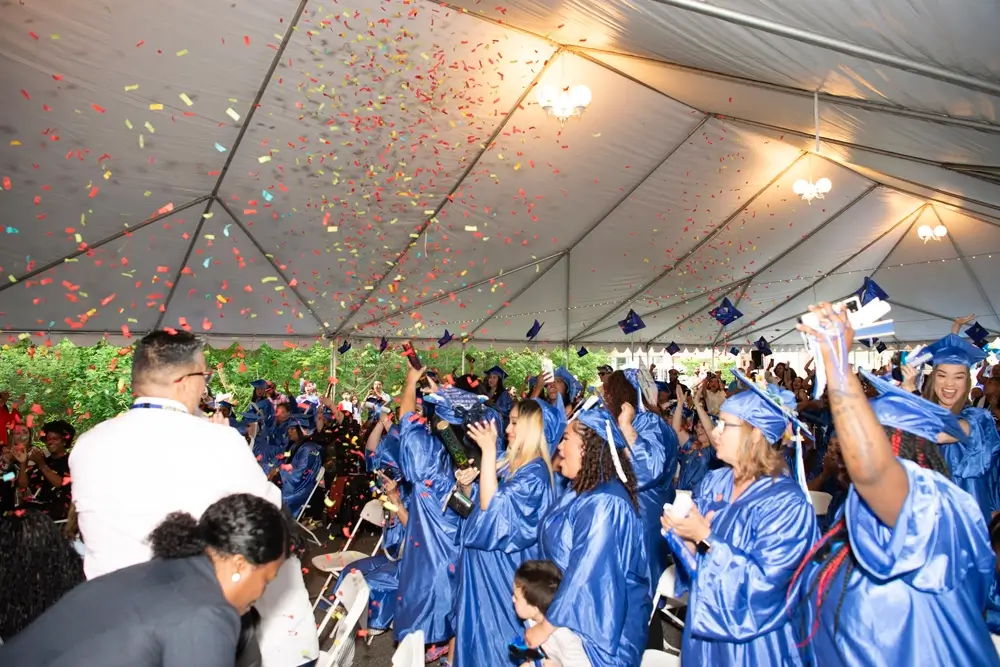
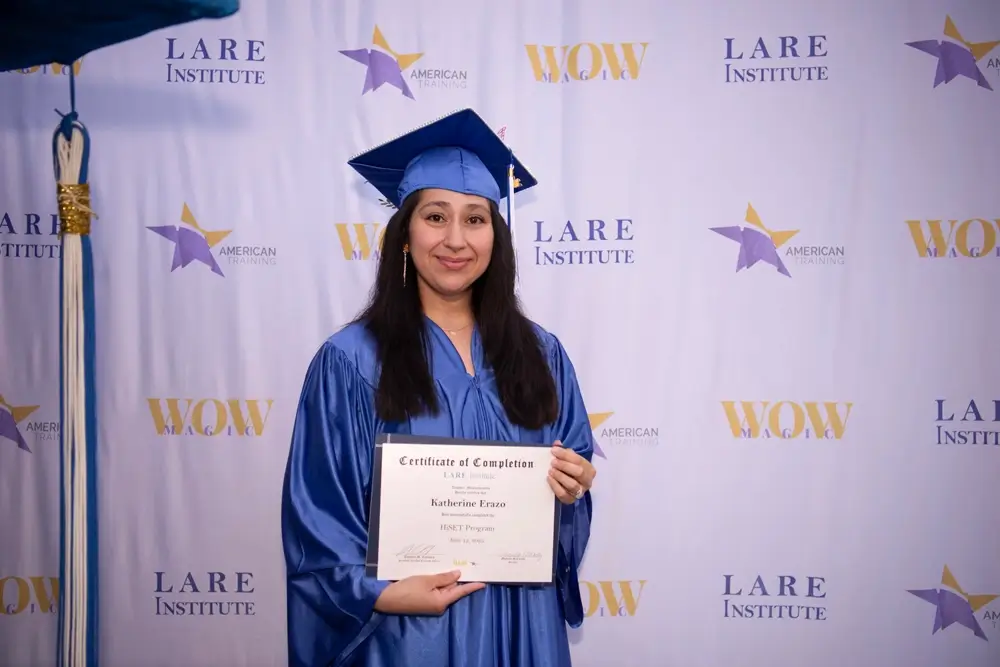
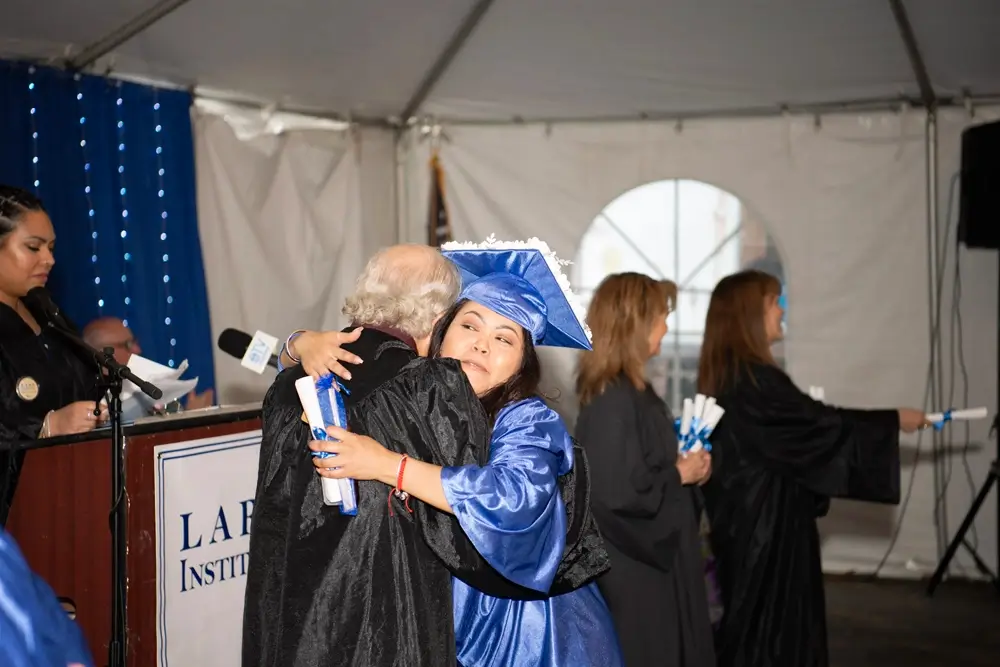
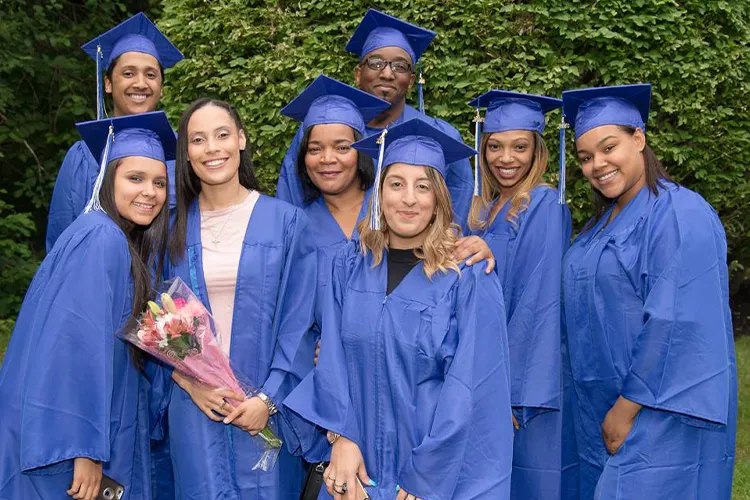
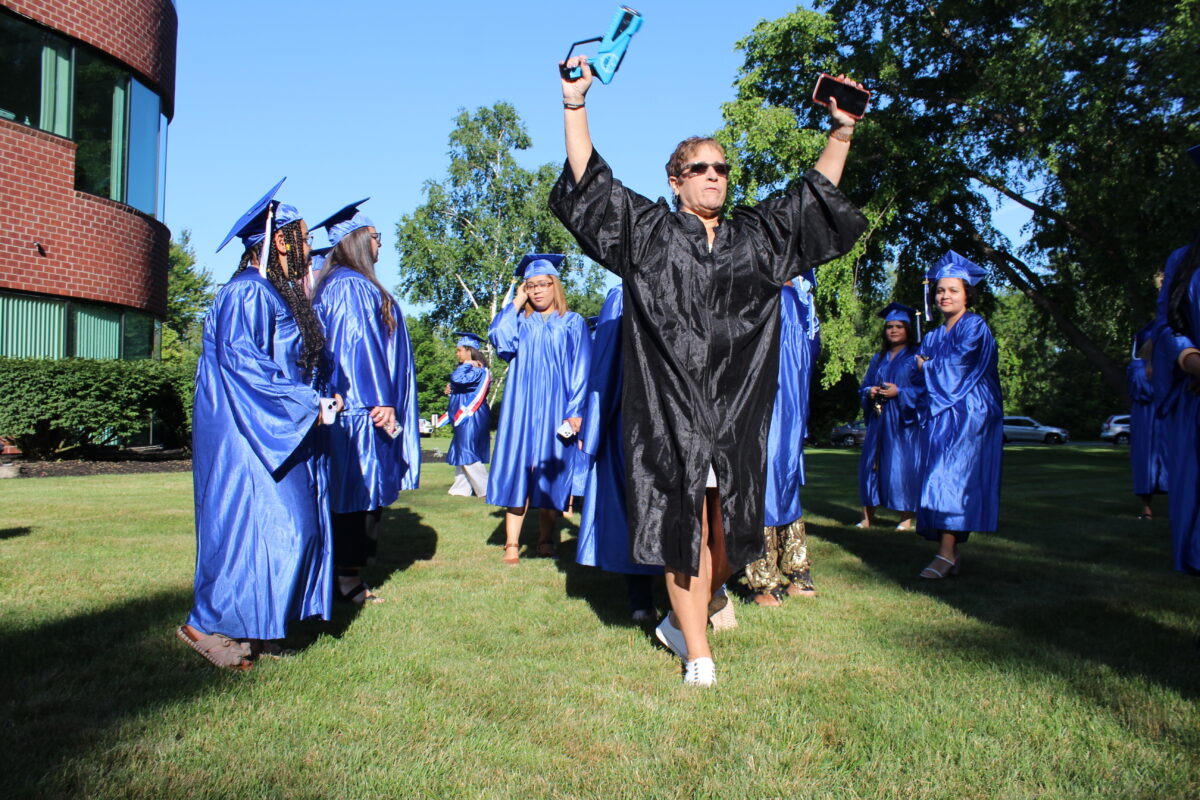
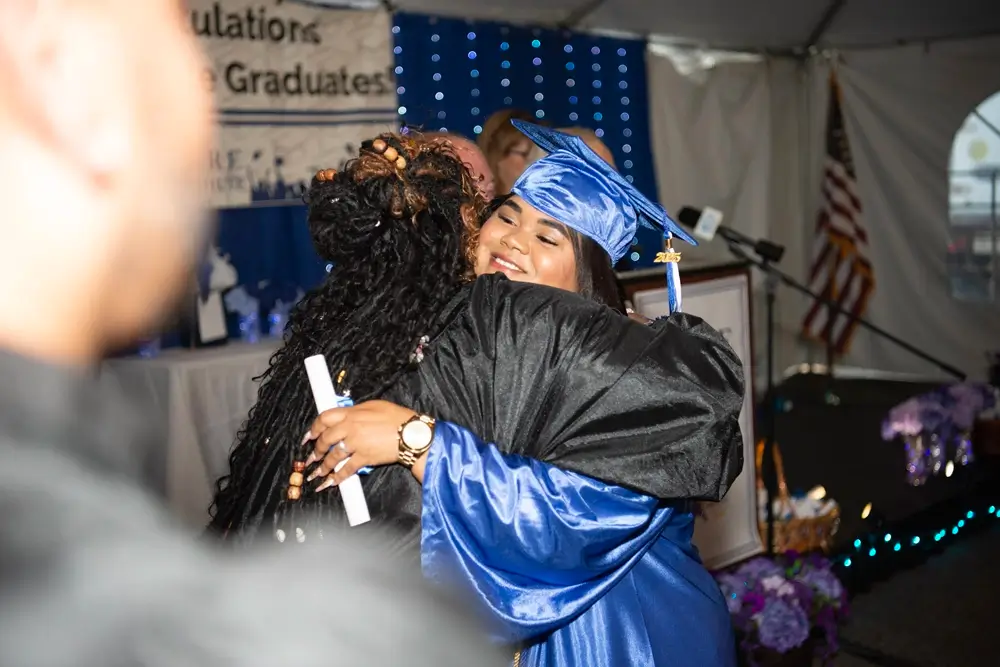
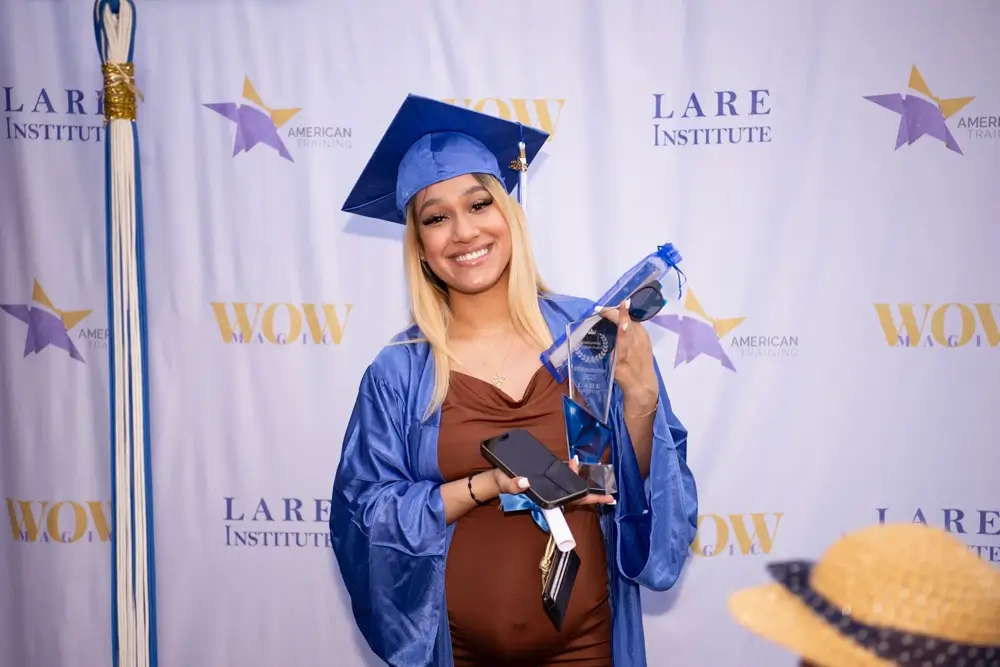
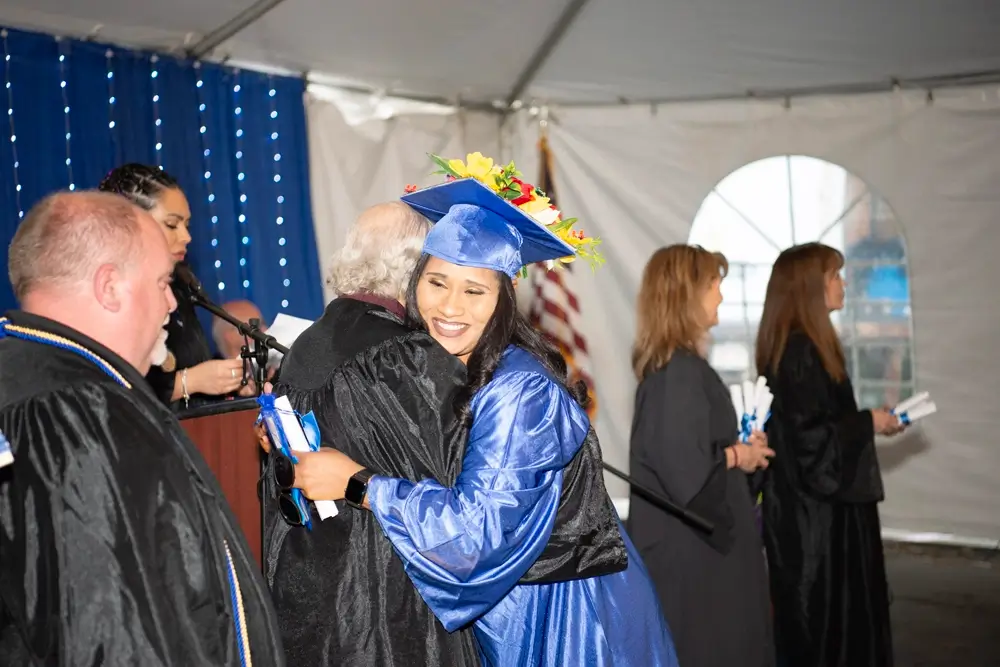
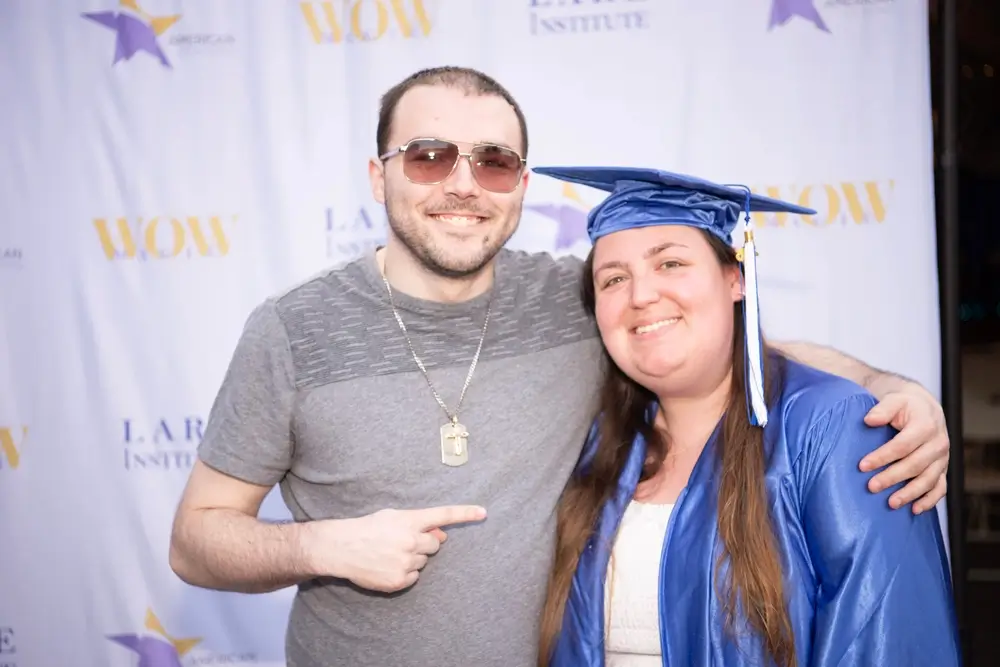
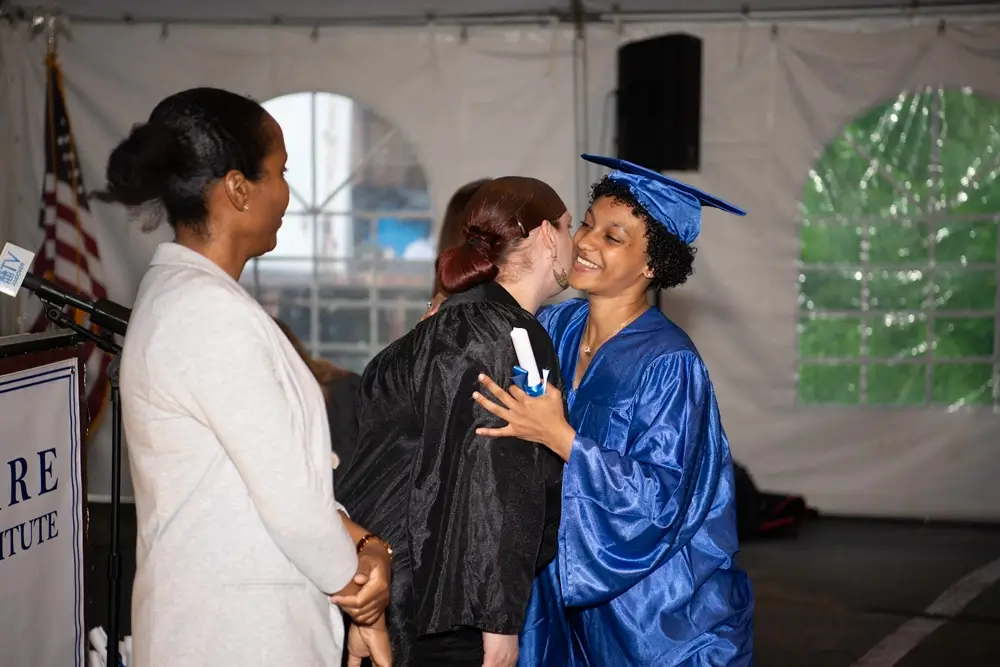
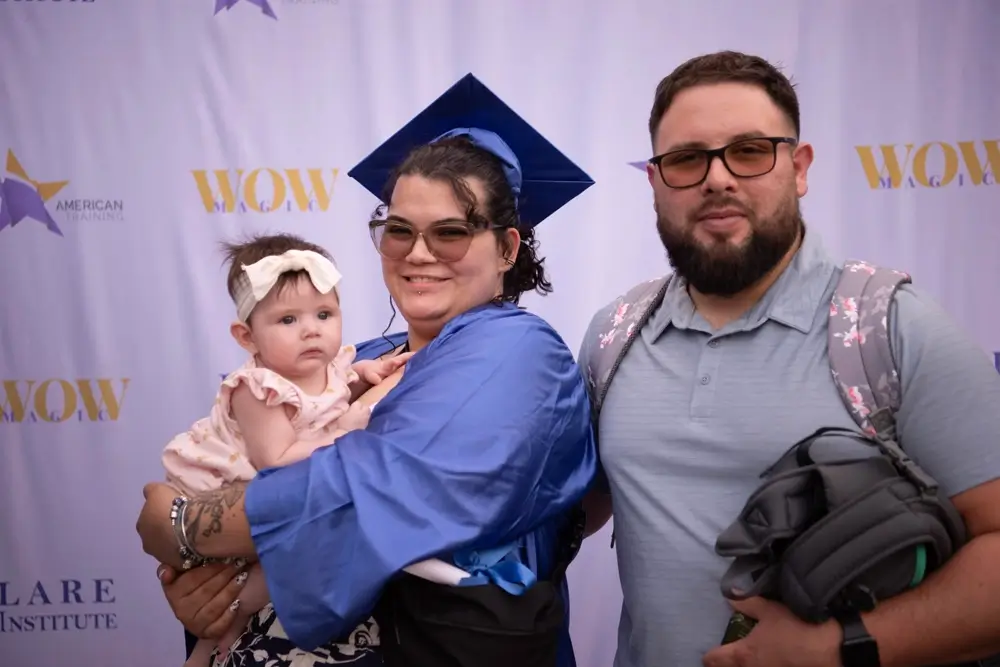
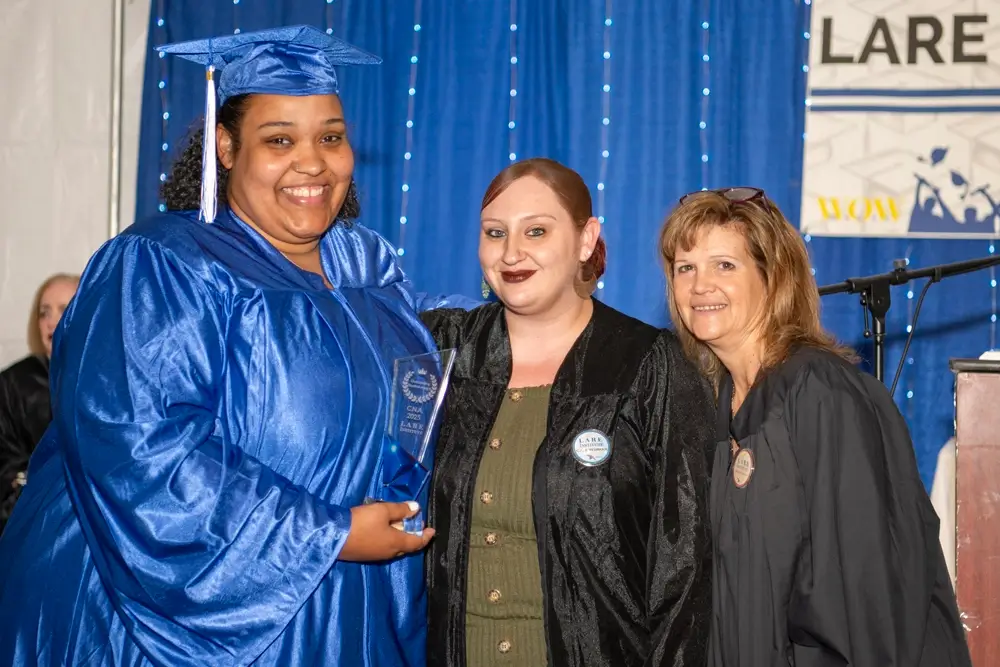
For more than 40 years, the LARE Institute has been a pillar of opportunity and transformation for the Merrimack Valley and beyond. This year, we had the honor of celebrating the hard work, determination, and achievements of our Graduating Class of 2025, who walked across the stage to the cheers and applause of proud Family, Friends, Instructors, and ATI Colleagues.

Our Graduates earned certificates in a wide range of career-focused programs, including:

  • HiSET (High School Equivalency)
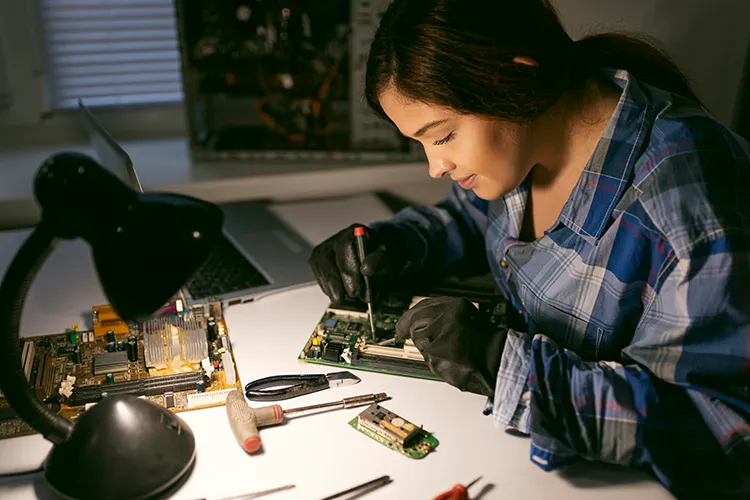
  • Electronics Assembly
  • Business Technology
  • Certified Nursing Assistant (CNA)
  • Medical Assisting
  • Phlebotomy
  • ESL

The air was filled with emotion, pride, and WOW! Magic as each student stepped forward to receive their certificate, pausing for a moment of recognition before switching their tassels—signifying their transition from students to alumni. Many tears were shed, and even more smiles shared, as stories of resilience and success unfolded throughout the ceremony.

This annual celebration is more than just a ceremony; it’s a reminder of the life-changing impact education and support can have. These Graduates represent perseverance, courage, and the power of second chances.

Congratulations to the LARE Institute Graduating Class of 2025!
We are beyond proud of each and every one of you, and we can’t wait to see the incredible things you’ll do as you move forward on your journey.

Keep reaching, keep growing, and keep spreading your WOW! Magic into the world.

Categories
Blog

Exploring Career Pathways Through Vocational Education

Choosing a career path doesn’t have to happen all at once. For many of us, the journey starts with exploring our interests, learning practical skills, and gaining experience that helps us make informed decisions. Vocational education gives us that opportunity. It offers a structured way to develop marketable skills while also allowing room to grow, shift, and adjust based on real-world feedback.

At LARE Institute, we see every student as a unique individual with different talents and goals. That’s why we focus on helping each person find a path that aligns with their strengths, values, and life circumstances. Whether you’re just starting out or making a career shift, vocational training can be a smart first step toward building a future that works for you.

Understanding the Range of Industries Available

One of the biggest benefits of vocational education is that it opens the door to multiple industries—many of which are actively hiring and offer long-term career potential. We work with students who go on to build careers in:

  • Health Science: roles like medical assistant, pharmacy technician, and patient care technician
  • Business Technology: administrative assistant, office support specialist, and customer service representative
  • Skilled Trades: facilities maintenance, HVAC, and other technical roles
  • Education and Human Services: early childhood education and direct care roles

These industries offer different types of work environments, responsibilities, and advancement opportunities. By starting with a general overview of what each sector involves, we can help students identify where they feel most at home and where their skills may be best applied.

How Vocational Training Opens Doors to Multiple Career Paths

Vocational training doesn’t lock you into one narrow path; in fact, it often opens more than one door. Many of the skills taught in our programs are transferable across different roles and industries. For example:

  • A graduate of our Business Technology program might begin in a clerical role but later move into operations or project coordination.
  • Someone trained in Health Science might start as a medical assistant and later pursue a role in patient advocacy or billing.
  • A student in the Skilled Trades might begin with basic maintenance and work toward facilities management or inspection roles.

Our programs are built with flexibility in mind. We focus on practical, foundational knowledge that gives students options—not just for their first job, but for the career growth that follows. When students understand how their skills apply in different settings, it becomes easier to stay motivated and open to new possibilities.

Identifying Your Strengths and Matching Them to a Career

Before choosing a specific path, it’s important to take stock of what you’re good at—and what you enjoy doing. We encourage students to think about both their natural strengths and their learned skills. Are you someone who enjoys solving problems? Do you like helping people? Are you more comfortable working with your hands or with technology?

By reflecting on these questions, we can help guide students toward a field that matches their talents and interests. For example:

  • Strong communicator? Consider a role in customer service, office support, or education support.
  • Detail-oriented and patient? Health care roles might be a great match.
  • Enjoy working with tools and fixing things? A skilled trade could offer long-term satisfaction.

Vocational training becomes more effective when it’s tied to a student’s strengths. That’s why we take the time to help you figure out where you shine.

The Role of Job Shadowing and Internships in Exploring Options

One of the best ways to learn about a career is to see it in action. That’s where job shadowing and internships come in. These experiences give students a closer look at what day-to-day work is really like—before they commit to a specific job path.

Through job shadowing or hands-on learning opportunities, students can:

  • Observe professionals in their field of interest
  • Ask questions about the role and responsibilities
  • Get a feel for the work environment and expectations
  • Gain practical experience to strengthen their resumes

These opportunities often confirm a student’s interest—or help them realize they’d prefer to shift gears. Either way, it’s valuable insight.

Planning Your Next Steps with Career Support Services

Once you’ve completed your training, the next step is entering the workforce. That process can feel overwhelming, but you’re not alone. Our case managers and career services team are here to help you turn your training into a job offer.

We support students by:

  • Helping with resume writing and interview preparation
  • Identifying job openings that align with your training
  • Connecting students with employers who hire from our programs
  • Offering guidance on certifications, applications, and career planning

Our goal is to help every student graduate with a clear sense of direction and the tools to succeed in their chosen career.

Explore Your Career Options with LARE Institute

Every student’s path is different—and that’s a good thing. With vocational training, you don’t need to have everything figured out on day one. What matters is that you’re moving forward with purpose and support. Whether you’re just beginning to explore your options or ready to take the next step, our team is here to help you match your goals to a career that fits.

Contact us to learn more about our programs, schedule a meeting with a case manager, register for a class, accelerate your career, and change your life.