
Categories
Blog

Spring into a New Career: Vocational Training Opportunities in Andover

The Benefits of Starting Vocational Training in Spring

Spring is an ideal time to embark on a vocational training journey at LARE Institute. As the season of renewal, it offers a fresh start for individuals eager to enhance their careers. This period aligns perfectly with the academic calendar, allowing for a seamless transition into new learning opportunities. Moreover, spring enrollees benefit from the supportive and empowering environment that LARE Institute is known for, fostering both personal and professional growth.

For residents of Andover, Massachusetts, and surrounding areas, starting in spring means taking advantage of the vibrant community spirit. With local businesses seeking skilled talent, students can forge valuable connections, enhancing their prospects for successful employment. By beginning your training now, you position yourself to enter the job market equipped with in-demand skills by the time summer hiring surges.

Popular Spring Courses at LARE Institute

LARE Institute offers a diverse range of courses tailored to meet the needs of both individuals and businesses. Our Health Science programs are particularly popular in spring, providing students with essential skills for thriving in the healthcare sector. Similarly, our Business Technology courses cater to those looking to excel in IT and related fields.

For those interested in hands-on professions, the Skilled Trades programs offer practical training in areas such as construction and electrical work. These courses are designed to equip students with the necessary expertise to meet the high demand for skilled trades professionals in local industries.

How to Balance Family and Education in Spring

Balancing family responsibilities with education can be challenging, but LARE Institute is committed to supporting students every step of the way. Our flexible scheduling options and personalized support ensure that you can manage your studies alongside family commitments. The spring season, with longer daylight hours, offers additional opportunities for study and personal time management.

LARE Institute’s community-focused approach means you are never alone in your educational journey. Our dedicated staff and faculty provide guidance and encouragement, helping you to navigate the demands of both home and school life. By fostering a family-like atmosphere, we ensure that each student feels valued and empowered to succeed.

Financial Aid Options for Spring Enrollees

Understanding the financial challenges of pursuing further education, LARE Institute offers a variety of financial aid options to make vocational training accessible to all. Spring enrollees can explore scholarships, grants, and flexible payment plans tailored to meet their financial needs.

Our financial aid advisors are available to assist you in identifying the best options for your situation, ensuring that financial constraints do not hinder your educational aspirations. By investing in your future today, you can achieve greater financial stability and career advancement tomorrow.

Success Stories: Spring Graduates Making an Impact

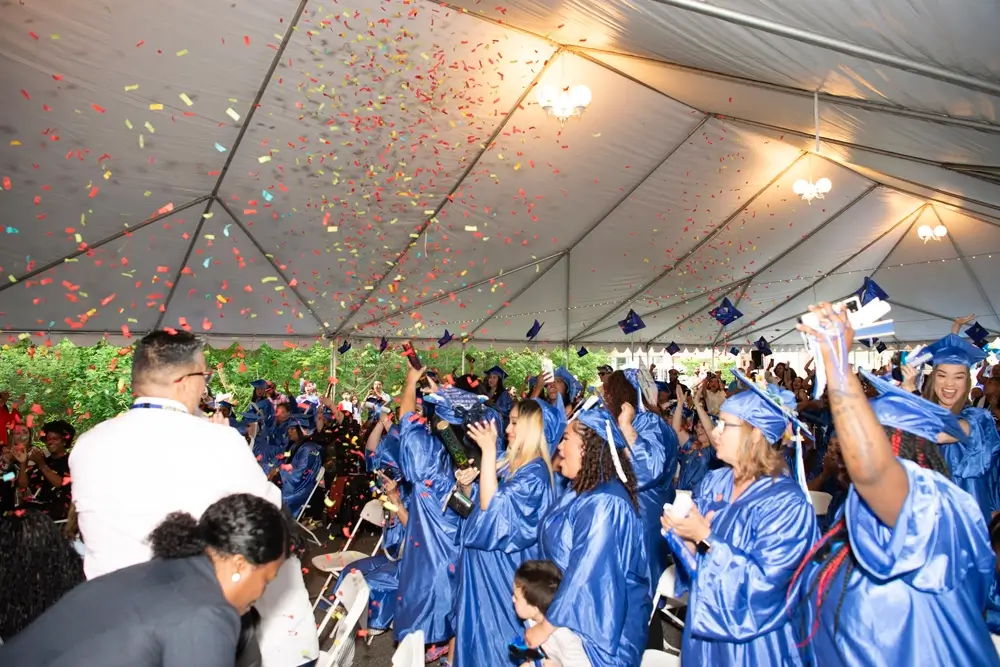
At LARE Institute, we celebrate the achievements of our graduates who have successfully transitioned into fulfilling careers. Our Success Stories page highlights inspiring journeys of individuals who began their vocational training in spring and have since made significant impacts in their respective fields.

These graduates, ranging from healthcare professionals to skilled tradespeople, exemplify the transformative power of education offered at LARE Institute. Their success is a testament to the supportive, empowering, and community-focused environment that defines our institution.

Ready to take the next step in your career journey? Join the LARE Institute family today and experience the benefits of our dedicated support and cutting-edge programs. Contact us to learn more about how you can spring into a new career this season. Together, we’ll cultivate the skills and connections needed to build a brighter future for yourself and your community.


Categories
Blog

Advanced Healthcare Training Programs at LARE: Meeting Tomorrow’s Challenges

Exploring LARE’s Specialized Healthcare Courses

At LARE Institute, our healthcare programs are designed to empower students with the skills needed to excel in the rapidly evolving medical field. Offering a range of courses from Health Science to specialized certifications, our curriculum is tailored to address the diverse needs of those seeking to enter or advance in healthcare professions. Whether you’re a young adult beginning your career journey or a mid-career changer, LARE provides a supportive environment where you can thrive.

Our programs are crafted with input from industry experts to ensure that students gain relevant and marketable skills. With a focus on practical knowledge, our courses blend theoretical learning with hands-on training, preparing you to meet the demands of today’s healthcare landscape.

Preparing for Technological Advancements in Healthcare

The healthcare industry is undergoing a technological transformation, and LARE Institute is at the forefront of this change. Our programs incorporate cutting-edge technology training to ensure that graduates are well-equipped to handle the latest advancements in medical care. From electronic health records to telemedicine, our students learn to navigate and utilize new technologies that are reshaping patient care.

By integrating technology into our healthcare courses, we prepare our students to be leaders in innovation, capable of embracing change and improving healthcare delivery. Our commitment to staying ahead of industry trends ensures that you gain a competitive edge as you enter the workforce.

Addressing the Skills Gap: Training for High-Demand Roles

The demand for skilled healthcare professionals is higher than ever, and LARE Institute is dedicated to bridging the skills gap. Our programs target high-demand roles such as medical assistants, phlebotomists, and healthcare administrators, providing specialized training to meet the needs of the industry.

Through our focused approach, we empower students to pursue careers that offer stability, growth, and financial security. With personalized support and guidance, LARE ensures that you are not just another number but a valued member of our educational community.

Real-World Experience: The Importance of Clinical Placements

At LARE Institute, we understand the critical role of real-world experience in healthcare education. Our programs include comprehensive clinical placements, allowing students to gain hands-on experience in authentic healthcare settings. These placements are integral to our training approach, providing you with the opportunity to apply your skills and knowledge in a practical environment.

By partnering with local healthcare providers, we offer placements that align with your career goals, ensuring that you are well-prepared for the challenges and opportunities of a healthcare career.

Graduate Success: Building Careers in Healthcare

LARE Institute prides itself on the success of our graduates. Our alumni have gone on to build rewarding careers across various healthcare fields, supported by the comprehensive training and community-focused environment at LARE. You can explore their journeys through our Success Stories, which highlight how our programs have transformed lives and careers.

Our commitment to your success doesn’t end at graduation. We continue to support our alumni with career services and networking opportunities, ensuring that you remain part of the LARE family as you grow and advance in your chosen field.

Ready to take the next step in your healthcare career? Contact us today to learn more about our advanced healthcare training programs. Join us at LARE Institute, where we’re committed to empowering you with the skills and support you need to succeed in tomorrow’s healthcare challenges.

Categories
Blog

Empowering Women in Vocational Training: Success Stories from LARE Institute

Highlighting LARE’s Female Graduates: Inspiring Journeys

At LARE Institute, the success stories of our female graduates are a testament to the empowering and supportive environment we cultivate. These inspiring women have not only gained marketable skills but have also transformed their lives and the lives of their families. From healthcare to skilled trades, our graduates exemplify determination and resilience. Their journeys reflect the institute’s commitment to fostering individual growth within a nurturing community.

Explore our success stories to witness firsthand the triumphs of women who have embraced new opportunities and achieved their career goals.

Overcoming Barriers: Women’s Challenges in Vocational Fields

Despite the increasing demand for skilled professionals, women often face unique challenges in vocational fields. These include gender bias, limited access to resources, and balancing family responsibilities. LARE Institute recognizes these hurdles and actively works to break them down, providing a pathway to success for women in Andover, Massachusetts, and beyond.

Our programs are designed to be accessible and flexible, addressing the specific needs of women seeking to advance or change their careers. By offering personalized support and guidance, we ensure that our female students are not just participants but leaders in their chosen fields.

Support Systems at LARE: Creating a Nurturing Environment

LARE Institute stands out for its deeply supportive and empowering atmosphere. Our commitment to a community-focused education means that every student is seen and valued. From the moment they enroll, women at LARE receive tailored support, including mentorship, career counseling, and networking opportunities.

Our faculty and staff are dedicated to creating a family-like environment where students can thrive. Learn more about our approach to education and how we prioritize the success of every individual.

Career Opportunities: High-Demand Fields for Women

Women are making significant strides in fields like healthcare, technology, and skilled trades—areas where LARE Institute excels in providing comprehensive training. Our programs in health science, business technology, and skilled trades open doors to lucrative and fulfilling careers.

We ensure our graduates are equipped with the skills and confidence needed to excel in high-demand roles, aligning their talents with the needs of local industries. This alignment not only benefits the individual but also strengthens the community by filling critical workforce gaps.

Community Impact: Women’s Contributions to Local Industries

The impact of LARE Institute’s female graduates extends beyond personal achievements; it resonates throughout the community. By contributing to local industries, these women foster economic growth and innovation. Their presence in healthcare facilities, tech companies, and construction sites underscores the importance of diversity and the value of homegrown talent.

Businesses benefit from hiring skilled, motivated women who bring fresh perspectives and a strong work ethic. This partnership between LARE and local businesses nurtures a sustainable community, enriching the lives of all involved.

Join us in cultivating a brighter future. Contact LARE Institute today to learn how you can empower your career or your business with our comprehensive vocational training programs. Together, we can build a community that thrives on the strength and contributions of all its members.

Categories
Blog

Navigating Financial Aid: Making Vocational Training Affordable

Understanding Financial Aid Options at LARE Institute

At LARE Institute, we are dedicated to making vocational training accessible and affordable for all our students. We understand that financial constraints can be a significant barrier to pursuing further education. That’s why we offer a range of financial aid options tailored to meet the needs of young adults, mid-career changers, and those with family responsibilities in Andover, Massachusetts. Whether you’re a high school graduate seeking new skills or a professional looking to transition, our supportive team is here to guide you through the financial aid process. Explore our [Why LARE Institute](https://lareinstitute.com/why-lare-institute/) page to learn more about our commitment to your success.

Scholarships and Grants for Vocational Students

Scholarships and grants can significantly reduce the financial burden of education. At LARE Institute, we offer various scholarships aimed at empowering students from diverse backgrounds. These scholarships are designed to reward academic excellence, community involvement, and leadership potential. Additionally, grants are available based on financial need. These resources not only provide financial relief but also recognize the hard work and dedication of our students.

Tips for Managing Tuition and Living Expenses

Managing tuition and living expenses can be challenging, but with careful planning, it is achievable. Here are some practical tips:

  • Prioritize your spending by distinguishing between needs and wants.
  • Consider part-time work opportunities that align with your study schedule.
  • Utilize student discounts and explore cost-effective housing options.
  • Take advantage of campus resources, such as free workshops and career counseling.

By adopting these strategies, you can focus more on your studies and less on financial stress. Visit our [Success Stories](https://lareinstitute.com/success-stories/) page to see how previous students have successfully managed their finances and achieved their career goals.

How to Apply for Financial Assistance

Applying for financial assistance at LARE Institute is a straightforward process. Our team is committed to providing personalized support every step of the way. Here’s how to get started:

  1. Complete the Free Application for Federal Student Aid (FAFSA) to determine your eligibility for federal aid.
  2. Explore our scholarships and grants, and gather necessary documents to support your application.
  3. Schedule a meeting with our financial aid advisor to discuss your options and develop a tailored financial plan.

Our [Contact](https://lareinstitute.com/contact/) page provides additional information on how to reach our financial aid team.

Planning Your Financial Path to Graduation

Creating a financial plan is crucial to your success at LARE Institute. Begin by estimating your total educational costs, including tuition, fees, and living expenses. Then, identify potential sources of funding, such as savings, financial aid, and part-time work. Establish a realistic budget and monitor your spending to ensure you stay on track.

Consider the long-term benefits of your education investment. Graduates from programs like [Health Science](https://lareinstitute.com/programs/health-science/), [Business Technology](https://lareinstitute.com/programs/business-technology/), and [Skilled Trades](https://lareinstitute.com/programs/skilled-trades/) often find rewarding careers that enhance their financial stability and quality of life.

Ready to take the next step? At LARE Institute, you’re not just gaining skills—you’re joining a community that believes in your potential and stands by you as you build a better future for yourself and your family. Partner with us to invest in local talent, and together, we’ll cultivate a workforce that strengthens our community and fulfills your business needs. Visit our [LARE Institute Home](https://lareinstitute.com/) to start your journey today.

Categories
Blog

The Intersection of AI and Vocational Training: Preparing for Future Jobs

Understanding AI’s Role in Vocational Industries

Artificial Intelligence (AI) is revolutionizing vocational industries, providing unprecedented opportunities for career advancement. For individuals in Andover, Massachusetts, seeking to enhance their skills, understanding AI’s impact is crucial. AI is not just a buzzword; it’s a transformative force in sectors such as healthcare, technology, and skilled trades. By automating routine tasks, enhancing decision-making processes, and improving efficiency, AI is reshaping job roles and creating new ones. At LARE Institute, we recognize the importance of integrating AI into our training programs to prepare students for these evolving demands.

Integrating AI Skills into Healthcare and Technology Training

The healthcare and technology sectors are at the forefront of AI integration. In healthcare, AI assists in diagnostics, patient care, and administrative tasks, improving outcomes and efficiency. For students entering this field, AI proficiency is becoming essential. Our Health Science programs incorporate AI training to ensure students are equipped to leverage these tools effectively.

In technology, AI drives innovation and efficiency, making it a critical skill for aspiring IT professionals. By embedding AI modules in our Business Technology courses, LARE Institute empowers students to excel in a competitive job market, providing them with the tools needed to navigate and lead within AI-enhanced environments.

Case Studies: Successful AI Implementations in Skilled Trades

AI is also making significant inroads into skilled trades, offering solutions that enhance productivity and safety. For instance, in construction, AI-powered tools are used for predictive maintenance and quality assurance. These innovations not only streamline operations but also create safer work environments.

At LARE Institute, we highlight these successful AI implementations through our Skilled Trades training, showcasing real-world applications that demonstrate AI’s potential to improve industry practices. By learning from these case studies, students gain valuable insights into the practical benefits of AI.

Preparing Students for AI-Driven Workplaces

As AI continues to evolve, preparing students for AI-driven workplaces is paramount. This preparation involves more than technical skills; it requires a mindset ready to adapt to change and continuous learning. LARE Institute fosters this adaptability by promoting a supportive and empowering learning environment.

Our commitment to a community-focused approach ensures that students are not only gaining skills but are also part of a network that supports their career growth. By emphasizing teamwork, communication, and problem-solving, we prepare our students to thrive in workplaces where AI is an integral component.

Resources for Continuous AI Education

In an industry where technology is constantly advancing, continuous education is essential. LARE Institute offers resources and support for ongoing AI education, ensuring that both individuals and businesses stay ahead. Our Success Stories page highlights alumni who have successfully navigated AI-enhanced career paths, serving as inspiration and guidance for current students.

Additionally, our Why LARE Institute page offers insights into our educational philosophy and dedication to providing cutting-edge training that aligns with industry needs. By offering workshops, seminars, and online resources, we ensure our students have access to the latest developments in AI.

At LARE Institute, you’re not just gaining skills—you’re joining a community that believes in your potential and stands by you as you build a better future for yourself and your family. Partner with us to invest in local talent, and together, we’ll cultivate a workforce that strengthens our community and fulfills your business needs. Contact us today to learn more about how our programs can transform your career or business.

Categories
Blog

The Power of Networking: Building Connections in Vocational Programs

Why Networking is Crucial in Vocational Training

Networking is a pivotal component of vocational training, especially for those seeking career advancement in healthcare, technology, and skilled trades. At the LARE Institute, networking is not just an add-on; it’s an integral part of the educational experience. For young adults and mid-career changers in Andover, Massachusetts, building connections can significantly enhance opportunities for job placements and career growth.

Networking provides access to industry insights, mentors, and potential job openings that are not always advertised. It bridges the gap between education and employment, allowing students to gain first-hand knowledge from industry professionals. This supportive environment fosters confidence and encourages students to actively pursue their career goals.

Tips for Effective Networking in Healthcare, Tech, and Trades

Engage in Industry-Specific Events

Participating in industry-specific events is a great way to meet professionals and learn about the latest trends and technologies. Whether you are pursuing a program in healthcare, technology, or skilled trades, attending conferences, workshops, and seminars can open doors to new opportunities.

Utilize Social Media Platforms

Platforms like LinkedIn are invaluable for expanding your professional network. By connecting with classmates, instructors, and industry professionals, you can build a robust online presence that showcases your skills and achievements.

Join Study Groups and Clubs

Study groups and clubs at LARE Institute offer a community-focused setting to interact with like-minded peers. These groups provide a platform for sharing knowledge, discussing career paths, and forming lifelong professional relationships.

Leveraging LARE’s Community: Events and Opportunities

LARE Institute hosts various networking events designed to connect students with industry leaders. These events are empowering and foster a sense of belonging, making students feel like they are part of a family. From career fairs to guest speaker sessions, there are numerous opportunities to engage with professionals who can guide and mentor you.

Additionally, the institute’s success stories highlight how past students have leveraged these opportunities to achieve remarkable career milestones.

Building Long-Term Professional Relationships for Career Growth

Building long-term relationships is essential for sustained career growth. By maintaining contact with instructors, alumni, and peers, you create a network of support that can provide guidance and open doors throughout your career. These relationships are built on trust and mutual respect, aligning well with LARE Institute’s values of community and support.

Investing time in nurturing these connections can lead to collaborations, referrals, and continuous learning opportunities, further enhancing your professional journey.

Success Narratives: Students Who Advanced Through Networking

At LARE Institute, numerous students have transformed their careers through strategic networking. For instance, a recent graduate from the healthcare program was able to secure a position at a leading hospital by networking with alumni and participating in institute-sponsored events.

Another success story from the technology program highlights a student who started as an intern and, through professional connections made during their studies, advanced to a managerial position in a reputable tech firm. These narratives emphasize the power of networking in shaping successful careers.

Are you ready to take control of your future? Join the LARE Institute community and start building the connections that will empower your career. Contact us today to learn more about our programs and how we can support your journey towards achieving your goals.

Categories
Blog

Future-Proof Your Career: Top Vocational Skills for 2026 and Beyond

Identifying Emerging Trends in Healthcare, Tech, and Trades

As we look towards 2026 and beyond, the landscape of vocational skills is rapidly evolving, particularly in the fields of healthcare, technology, and skilled trades. These sectors are witnessing transformative changes driven by technological advancements and societal needs. In healthcare, the demand for skilled professionals who can navigate digital health technologies is on the rise. Meanwhile, the tech industry is calling for experts in cybersecurity, artificial intelligence, and data analytics. Skilled trades are also evolving, with increased emphasis on sustainable construction and energy-efficient solutions.

At LARE Institute, we recognize the importance of staying ahead of these trends. Our programs are designed to equip you with the knowledge and skills needed to thrive in these dynamic fields, ensuring you remain competitive in the job market.

Essential Skills for Future Job Market Success

To succeed in the future job market, acquiring a blend of technical and soft skills is crucial. Technical skills such as proficiency in digital tools, data analysis, and specific vocational expertise form the backbone of career readiness. Simultaneously, soft skills, including communication, problem-solving, and adaptability, are increasingly valued by employers.

LARE Institute’s supportive and empowering environment nurtures both types of skills, preparing you for a successful career that meets the demands of modern workplaces. By fostering a sense of community and belonging, we help you develop not just as a professional, but as a leader in your field.

LARE’s Cutting-Edge Programs: Preparing for Tomorrow’s Challenges

Our programs are tailored to meet the emerging needs of industries. Whether you’re interested in health science, business technology, or skilled trades, LARE Institute provides a curriculum that is both comprehensive and practical. Our hands-on approach ensures that you gain real-world experience, making you a valuable asset to potential employers.

With personalized support and guidance, each student is empowered to reach their full potential. At LARE, you’re not just gaining skills—you’re joining a community that believes in your potential and stands by you as you build a better future for yourself and your family.

The Role of Continuous Learning in Career Longevity

The ever-changing job market demands a commitment to continuous learning. As technology and industries evolve, so must your skills. LARE Institute emphasizes the importance of lifelong learning and provides opportunities for alumni to return and enhance their skills as needed.

Our commitment to education extends beyond graduation, ensuring that you remain at the forefront of industry advancements. With access to ongoing training and resources, you can confidently navigate your career path, adapting to new challenges and opportunities as they arise.

How Local Businesses Benefit from Future-Ready Graduates

Small to medium-sized businesses (SMBs) in the Andover area face challenges such as high turnover rates and the need for a skilled workforce. By partnering with LARE Institute, businesses gain access to a pipeline of well-trained, locally sourced talent. Our graduates are not only equipped with the necessary technical skills but also embody a strong work ethic and community values.

Partner with us to invest in local talent, and together, we’ll cultivate a workforce that strengthens our community and fulfills your business needs. By hiring LARE graduates, businesses can reduce recruitment costs and enhance their team with individuals who are committed to continuous learning and growth.

Ready to future-proof your career or business? Contact LARE Institute today to explore how our programs can empower you or your organization for success in 2026 and beyond. Join us, and become part of a supportive, empowering community dedicated to transforming lives through education and career development.

Categories
Blog

Sustainable Practices in Skilled Trades: Training for a Greener Future

Introduction to Sustainable Construction and Trade Practices

In today’s rapidly evolving job market, the emphasis on sustainable practices in skilled trades is more crucial than ever. As a leader in vocational training, LARE Institute is committed to equipping students with the skills needed to thrive in a greener future. Our programs emphasize environmentally conscious construction techniques and sustainable trade practices, preparing individuals for careers that not only meet current demands but also contribute positively to the environment.

At LARE Institute, students are introduced to cutting-edge methods and technologies designed to reduce environmental impact. By embedding sustainability into our curricula, we ensure that graduates are ready to tackle the challenges of modern industry with innovative solutions.

Incorporating Green Technology into Vocational Curricula

Integrating green technology into vocational training is essential for developing a workforce capable of supporting sustainable development. Our Skilled Trades program includes courses on renewable energy systems, energy-efficient construction, and sustainable materials. By providing hands-on experience with these technologies, LARE Institute empowers students to lead in their respective fields.

In addition to technical skills, our courses emphasize the importance of sustainable decision-making and resource management. This comprehensive approach ensures our graduates can assess and implement eco-friendly practices in real-world scenarios, making them invaluable assets to any employer.

Case Studies: Sustainable Projects by LARE Graduates

Our graduates exemplify the success of LARE Institute’s commitment to sustainability. One notable project involved a team of alumni who collaborated on a solar-powered community center, significantly reducing its carbon footprint while providing essential services to local residents. This project not only showcases their technical expertise but also their dedication to community-focused initiatives.

Another success story involves a graduate who launched a business specializing in sustainable home renovations. By utilizing energy-efficient techniques and materials, they have transformed numerous homes into environmentally friendly spaces, demonstrating the real-world impact of our training.

Explore more success stories to see how our graduates are making a difference.

The Economic and Environmental Benefits of Green Skills

The demand for professionals with green skills is on the rise, offering significant economic and environmental benefits. Green jobs often provide higher wages and job security, addressing the financial challenges faced by many seeking vocational training. By focusing on sustainability, LARE Institute supports economic growth and environmental stewardship.

Our programs prepare students to contribute to a sustainable economy, where industries benefit from reduced resource consumption and improved efficiency. This not only enhances profitability but also strengthens community resilience by supporting local ecosystems and reducing environmental degradation.

Partnering with Businesses for Sustainable Workforce Development

LARE Institute values partnerships with local businesses to foster sustainable workforce development. By collaborating with industry leaders, we ensure our programs align with current market needs and emerging trends. This collaboration facilitates a steady pipeline of skilled graduates ready to meet the demands of employers committed to sustainability.

Businesses benefit from hiring well-trained, locally sourced talent that understands the importance of sustainability. By investing in education, companies contribute to community growth and gain employees who bring both technical skills and a strong work ethic.

For more information on how your business can benefit from partnering with LARE Institute, visit our contact page.

Are you ready to join a community that believes in your potential and supports your journey towards a sustainable career? At LARE Institute, we offer empowering programs that not only provide essential skills but also foster a sense of belonging. Whether you’re an individual seeking career advancement or a business looking to invest in local talent, we’re here to help you achieve your goals. Discover more about our programs and how we can support your future by visiting Why LARE Institute.

Categories
Blog

Healthcare Vocations: Meeting the Growing Demand in Andover

Understanding the Local Healthcare Job Market

In Andover, Massachusetts, the healthcare industry is experiencing a significant surge in demand, driven by an aging population and technological advancements. This trend creates a wealth of opportunities for individuals seeking stable and rewarding careers. Local healthcare providers are actively seeking skilled professionals to fill roles ranging from nursing assistants to medical technicians. For young adults and mid-career changers, this presents a prime opportunity to enter a field with potential for growth and financial stability.

Moreover, the emphasis on local talent highlights the importance of community-focused training programs. By investing in local education, Andover aims to cultivate a workforce that not only meets the current demands but also drives future innovations in healthcare services.

Key Skills and Certifications for Healthcare Careers

To thrive in the healthcare sector, possessing the right skills and certifications is crucial. Prospective healthcare professionals should focus on acquiring competencies in patient care, medical technology, and healthcare administration. Certifications such as Certified Nursing Assistant (CNA), Emergency Medical Technician (EMT), and Medical Coding are highly valued by employers.

In addition to technical skills, soft skills such as communication, empathy, and teamwork are essential. These qualities ensure that healthcare professionals can provide compassionate and effective care, fostering trust and rapport with patients and colleagues alike.

The Role of Vocational Training in Filling Critical Healthcare Roles

Vocational training plays a pivotal role in addressing the skills gap in the healthcare industry. Programs offered by institutions like the LARE Institute equip students with practical, hands-on experience, allowing them to enter the workforce with confidence. These programs are designed to be accessible and affordable, ensuring that all individuals, regardless of their financial background, have the opportunity to pursue a fulfilling career.

By focusing on real-world applications and personalized support, vocational training prepares students to meet the specific needs of local healthcare providers. This approach not only benefits individuals but also strengthens the community by fostering a well-trained, reliable workforce.

Success Stories: Graduates Making a Difference

Graduates from the LARE Institute have gone on to make significant impacts in the healthcare field. These success stories serve as inspiring examples of how vocational training can transform lives and careers. From securing stable employment to advancing within their chosen fields, graduates demonstrate the potential for personal and professional growth.

By sharing these stories, the LARE Institute showcases its commitment to supporting students beyond graduation, highlighting the value of a supportive, empowering educational environment.

How LARE Institute Supports Healthcare Career Aspirations

At the heart of the LARE Institute’s mission is a dedication to providing supportive and empowering education. The institute offers comprehensive programs in health science that are tailored to meet the needs of both individuals and local businesses. With a focus on personalized attention, students are guided every step of the way, ensuring they acquire the skills necessary to excel in their careers.

LARE Institute fosters a community where students feel valued and part of a family. This sense of belonging is crucial for motivation and success, as students are not just gaining skills—they’re joining a community that believes in their potential.

For businesses, partnering with LARE Institute means investing in a local talent pool that is well-prepared to meet the specific demands of the healthcare industry. Together, these partnerships strengthen community ties and ensure a sustainable, skilled workforce for the future.

Ready to take the next step in your healthcare career? Discover how the LARE Institute can help you achieve your goals. Visit our contact page to learn more about our programs and start your journey toward a rewarding future in healthcare.

Categories
Blog

Preparing for Winter: Essential Vocational Skills for Cold-Weather Trades

Overview of Cold-Weather Trades and Their Demand in Andover

Cold-weather trades, such as construction, HVAC repair, and maintenance, are essential to the infrastructure of Andover, Massachusetts. These industries see heightened demand during the winter months, as businesses and residents require reliable services to maintain safety and comfort. With unpredictable weather patterns, having a skilled workforce ready to tackle these challenges is crucial. The LARE Institute is uniquely positioned to meet this demand by training individuals in these critical areas.

Key Skills Needed for Success in Winter Construction and Maintenance

Working in cold-weather trades requires a unique set of skills to ensure efficiency and safety. Key competencies include:

  • Thermal Insulation Techniques: Understanding how to effectively insulate structures can prevent heat loss and increase energy efficiency.
  • Snow and Ice Management: Skills in removing and managing snow and ice are vital for maintaining safe and accessible properties.
  • Cold Weather Safety Protocols: Knowledge of safety measures to protect oneself and others from the hazards of working in low temperatures is essential.

At the LARE Institute, students learn these skills through hands-on training, ensuring they are well-prepared to enter the workforce.

How LARE Institute Prepares Students for Seasonal Challenges

The LARE Institute is committed to providing a supportive and empowering educational experience. Our programs are designed to equip students with the skills needed to excel in cold-weather trades. We offer specialized courses in Skilled Trades that focus on practical, real-world applications. Through a combination of classroom instruction and fieldwork, students gain valuable experience that prepares them for the unique challenges of working in winter conditions.

Personalized Support and Community Focus

At LARE Institute, students are not just gaining skills—they are joining a community that believes in their potential. Our instructors provide personalized guidance, ensuring each student receives the attention and support they need to succeed. The institute fosters a family-like atmosphere, encouraging collaboration and mutual growth.

Case Studies: Alumni Success in Cold-Weather Trades

Our alumni have excelled in various cold-weather trades, demonstrating the effectiveness of our programs. For instance, John Smith, a graduate of LARE’s HVAC program, secured a position with a leading local company, where he applies his skills to ensure community members stay warm during harsh winters. You can read more about similar success stories showcasing the transformative impact of LARE’s training programs.

Opportunities for Upskilling During the Off-Season

While winter is a busy season for cold-weather trades, the off-season provides a valuable opportunity for professionals to upskill. The LARE Institute offers courses in Business Technology and Education, allowing tradespeople to expand their expertise and enhance their career prospects. By investing in continuous learning, individuals can remain competitive and adaptable in a changing job market.

Ready to take the next step in your career? Whether you’re an individual seeking to gain marketable skills or a business looking to invest in local talent, contact us today to learn more about our programs. Partner with the LARE Institute to achieve your goals and contribute to a thriving community.
Categories
Blog

Building a Local Workforce: The Economic Impact of Vocational Training in Andover

Understanding the Economic Benefits of Vocational Training

Vocational training plays a crucial role in shaping a skilled workforce that meets the demands of today’s job market. By providing targeted education in fields like healthcare, technology, and skilled trades, vocational institutes create a direct pathway to employment. This targeted approach not only equips individuals with marketable skills but also significantly boosts local economies. Skilled workers contribute to lower unemployment rates and increased productivity, fostering a more resilient economic environment.

Young adults and mid-career changers in Andover, Massachusetts, benefit from these programs by gaining access to stable, well-paying jobs. For businesses, this means a steady supply of qualified employees who can help reduce turnover rates and recruitment costs. As companies invest in local talent, community growth and sustainability become achievable goals.

How LARE Institute Contributes to Local Workforce Development

LARE Institute is at the forefront of vocational training in Andover, offering a range of programs tailored to meet the specific needs of the community. By emphasizing personalized support and a family-like atmosphere, LARE ensures that students not only acquire essential skills but also feel empowered to succeed. The institute’s commitment to community involvement reinforces its role as a pivotal force in workforce development.

Programs like Business Technology and Skilled Trades are designed to align with industry demands, providing students with relevant, hands-on experience. This alignment ensures that graduates are job-ready, meeting the specific needs of local employers and driving economic prosperity.

Collaborative Efforts: Partnering with Businesses for Community Growth

Partnerships between LARE Institute and local businesses are instrumental in nurturing a thriving workforce. Small to medium-sized businesses in sectors like healthcare and technology benefit from the institute’s dedication to cultivating well-trained graduates. By collaborating with LARE Institute, businesses can tap into a pipeline of skilled workers who are well-prepared to integrate and contribute positively to their teams.

These partnerships extend beyond mere recruitment. They foster a collaborative environment where educational institutions and businesses work together to address workforce challenges and drive community development. By investing in vocational training, businesses not only enhance their workforce but also play a crucial role in strengthening community ties.

Real-Life Impact: Graduates Supporting Andover’s Economy

LARE Institute graduates are a testament to the transformative power of vocational training. Many have shared their success stories, illustrating how the institute’s supportive environment and comprehensive programs have empowered them to secure meaningful employment. These graduates contribute significantly to the local economy by filling critical roles in healthcare, technology, and skilled trades.

Their success translates to improved financial stability for their families and increased economic activity in Andover. As more individuals gain access to rewarding careers, the community benefits from a more robust workforce that supports local businesses and drives economic growth.

Future Prospects: Strengthening Community Ties Through Education

The future of Andover’s economy is closely linked to the continued success of vocational training programs. By investing in education and fostering a nurturing community, LARE Institute is laying the groundwork for sustained economic growth. As more individuals and businesses recognize the value of vocational training, the potential for a vibrant and prosperous community becomes even more attainable.

With a focus on personalized support and empowerment, LARE Institute is committed to transforming lives and strengthening community ties. As graduates continue to thrive and contribute to the local economy, the institute’s impact will resonate for generations, ensuring a brighter future for all.

Ready to take the next step in building a successful career or strengthening your business with skilled talent? Contact LARE Institute today to learn how our programs can help you achieve your goals and become part of a supportive community dedicated to growth and success.

Categories
Blog

Harnessing Technology in Vocational Training: Preparing for the Future Workforce

Emerging Tech Trends Impacting Vocational Education

In today’s rapidly evolving job market, staying ahead requires an understanding of emerging technologies that are reshaping vocational education. Technologies such as artificial intelligence, virtual reality, and data analytics are not just buzzwords; they are integral components of modern vocational training. These advancements provide students with hands-on experience that mirrors real-world applications, preparing them for dynamic career paths in sectors like healthcare, IT, and skilled trades.

As industries adopt these technologies, vocational institutions must integrate them into their curriculum to ensure students are job-ready. For example, in healthcare, simulation-based training using VR allows students to practice procedures in a risk-free environment. Similarly, IT programs are embracing AI to teach students about automation and machine learning, core skills for future tech professionals.

LARE Institute’s Innovative Tech Integration in Training Programs

At LARE Institute, we are committed to empowering students through cutting-edge technological integration. Our Business Technology and Health Science programs exemplify how we incorporate technology to enhance learning outcomes. By leveraging tools like augmented reality and cloud-based learning platforms, we provide an immersive educational experience that equips students with practical skills and a competitive edge.

Our skilled trades training also benefits from technology with state-of-the-art equipment and digital resources, fostering a learning environment that mirrors current industry standards. This approach not only prepares students for immediate employment but also instills a lifelong adaptability to technological advancements.

Benefits of Technology-Driven Learning for Career Readiness

Technology-driven learning offers numerous benefits that align with our mission of providing supportive and empowering education. First, it enhances engagement through interactive content, making complex subjects more accessible and enjoyable. Second, it allows personalized learning experiences, catering to diverse learning styles and paces, which is crucial for students balancing family responsibilities.

Moreover, the integration of technology in our curriculum ensures that graduates possess not only vocational skills but also digital literacy, a critical asset in today’s job market. Our students leave LARE Institute with the confidence and competence to pursue rewarding careers and improve their family’s quality of life.

Case Studies: Students Thriving with Tech-Enhanced Skills

Our success stories speak volumes about the impact of technology-enhanced education. Take, for instance, a recent graduate from our IT program who secured a position at a leading tech firm due to their proficiency in data analytics and cloud computing. Similarly, a healthcare graduate utilized VR training to excel in surgical procedures, earning recognition at a renowned hospital.

These narratives highlight how LARE Institute’s commitment to tech integration not only meets industry demands but also transforms lives by providing students with the tools they need to succeed.

How to Get Involved: Upcoming Tech Workshops and Courses

We invite individuals and businesses in Andover, Massachusetts, to explore our upcoming tech workshops and courses. These opportunities are designed to provide hands-on experience with the latest technologies across various sectors. Whether you’re a young adult looking to enter the workforce or a business seeking to upskill your team, our programs offer the resources you need to thrive.

Visit our contact page to learn more about enrollment and partnership opportunities. Together, we can cultivate a skilled workforce that strengthens our community and fulfills your business needs.

At LARE Institute, you’re not just gaining skills—you’re joining a community that believes in your potential and stands by you as you build a better future for yourself and your family. Partner with us to invest in local talent, and together, we’ll cultivate a workforce that strengthens our community and fulfills your business needs.

Ready to advance your career?

Contact us today and discover how our team can help you achieve your goals. Get in touch →

Categories
Blog

Personalized Learning Paths: How Customized Vocational Training Benefits Adult Learners

Understanding the Needs of Diverse Learners in Vocational Education

In today’s fast-paced world, the demand for skilled professionals is ever-growing. Yet, the journey to acquiring these skills is unique for each individual. At LARE Institute, we recognize that learners come from diverse backgrounds, each with their own aspirations and challenges. Our approach is to understand these distinct needs, ensuring that our vocational education is not just a one-size-fits-all solution, but a personalized pathway to success.

Our programs cater to young adults eager to start their careers, as well as mid-career changers seeking new opportunities. By focusing on the specific demographics, such as those with high school diplomas or some college experience, we tailor our offerings to meet the needs of low to middle-income individuals looking for career advancement. Our commitment extends to supporting individuals with family responsibilities, helping them improve their quality of life through education.

Designing Personalized Learning Plans at LARE Institute

Personalization is at the core of LARE Institute’s educational philosophy. We engage learners with customized learning plans that align with their career goals and personal circumstances. Our expert instructors collaborate with students to identify their strengths and areas for improvement, creating a roadmap that guides them through their educational journey.

These learning plans are designed to be flexible, accommodating the busy lives of our students. Whether pursuing a career in health science, business technology, or skilled trades, our students receive the support they need to succeed. This approach not only enhances their learning experience but also ensures they are job-ready upon graduation.

The Impact of Customized Training on Career Outcomes

Customized vocational training has a profound impact on career outcomes, particularly for adult learners. By focusing on individual needs, LARE Institute empowers students to excel in their chosen fields. This targeted approach results in higher job placement rates and greater job satisfaction.

Our graduates are not just equipped with technical skills but also with the confidence to adapt and thrive in dynamic work environments. Local businesses, such as those in healthcare and technology sectors, value the partnership with LARE Institute for providing a steady pipeline of well-trained, locally sourced talent. This synergy supports community growth and sustainability, bolstering the local economy.

Supporting Adult Learners: Balancing Education with Life Responsibilities

Adult learners often face the challenge of balancing education with family and work commitments. At LARE Institute, we are dedicated to providing the resources and support necessary to help them succeed. Our supportive community ensures that students are never alone on their journey.

We offer flexible class schedules and personalized tutoring to accommodate the unique demands of adult learners. Our commitment to creating a family-like atmosphere means that students receive personalized attention and guidance, reinforcing their motivation to achieve their goals.

Testimonials: Transformative Experiences from Personalized Programs

Our students’ success stories speak volumes about the transformative power of personalized learning. Many have shared how their experiences at LARE Institute have not only equipped them with new skills but also instilled a sense of belonging and empowerment.

As one graduate noted, “At LARE Institute, you’re not just gaining skills—you’re joining a community that believes in your potential and stands by you as you build a better future for yourself and your family.” These testimonials highlight the institute’s role in fostering a supportive and empowering environment that drives success.

Discover how personalized learning at LARE Institute can be the key to unlocking your potential and achieving your career aspirations. Contact us today to learn more about our programs and how we can support your journey toward a brighter future.

Ready to advance your career?

Contact us today and discover how our team can help you achieve your goals. Get in touch →

Categories
Blog

How to Transition from Vocational Training to the Workforce

Vocational training gives us more than just technical skills—it prepares us for real opportunities in the workforce. But stepping from the classroom into a new job often comes with questions. How do we start the job search? How can we show employers the value of our training? Whether we’re entering a new field or moving up in our career, understanding the path from training to employment is key.

A solid job search plan, clear communication of our skills, and a professional approach to networking all help set us up for success. Let’s look at how to navigate this important transition with confidence and purpose.

Understanding the Job Search Process After Training

The job search process can feel overwhelming if we don’t know where to start. Knowing what to expect helps us stay organized and motivated. The first step is to clearly identify the type of roles we’re qualified for based on our training and certifications.

Here are some basic job search steps we can follow:

  • Research job titles and industries that match the skills we’ve learned during training.
  • Create a professional resume that highlights our training, certifications, and hands-on experience.
  • Sign up for job boards and alerts specific to our field, such as trade industry websites or local employment services.
  • Set a weekly goal for how many applications we want to submit or contacts we want to make.
  • Prepare a brief introduction—sometimes called an elevator pitch—that explains who we are and what we offer.

Starting the search with a plan keeps us moving forward and makes the process feel manageable.

How to Market Your Skills and Certifications to Employers

Employers want to know not just what we’ve learned, but how we can apply it on the job. This is where we focus on marketing our skills in a way that speaks directly to the needs of the workplace.

Some ways we can present our training and skills include:

  • Highlight certifications prominently on our resume and mention them in cover letters and interviews.
  • Explain hands-on experience by describing real tasks we’ve completed, even if they were part of a class or project.
  • Use industry language when talking about our skills so employers see we understand the field.
  • Connect skills to results by giving examples of how our training helps solve real problems or complete specific tasks.

We don’t need to wait until we have years of experience to show that we’re ready for the workforce. By confidently explaining how our training prepared us for the job, we help employers see the value we bring.

Preparing for Interviews in Your Chosen Field

Once we’ve secured interviews, preparation becomes our best tool for making a strong impression. An interview is our chance to explain not just what we’ve learned, but how we’ll contribute to the organization. We want to show employers that we’re reliable, capable, and ready to work.

Here’s how we can prepare effectively:

  • Research common interview questions in our field and practice answering them out loud.
  • Review our training experiences so we can confidently discuss projects, certifications, and skills.
  • Dress professionally and arrive early, showing respect for the opportunity and the employer’s time.
  • Prepare a few questions for the interviewer to show our interest in the company and the role.
  • Practice explaining our skills clearly without using too much technical jargon.

Good interview preparation builds confidence and allows us to focus on making a positive connection with the employer.

Building a Network of Industry Contacts and Mentors

Building professional relationships is a powerful way to grow our career opportunities. Networking gives us access to advice, job leads, and industry knowledge we may not find on our own.

We can build our network by:

  • Staying connected with classmates, instructors, and training staff who know our strengths and goals.
  • Attending industry events or local job fairs to meet potential employers and contacts.
  • Joining professional organizations or online groups related to our field of study.
  • Seeking out mentors who can offer guidance and insight into our chosen career path.

Networking isn’t just about finding jobs—it’s about learning from others and staying informed about industry trends.

Using Job Placement Services and Career Resources

We don’t have to navigate the transition from training to employment alone. Job placement services and career resources can make a big difference in finding the right opportunity and preparing for success.

Here are some key resources we should use:

  • Job placement assistance offered by our vocational training program or local career centers.
  • Workshops on resume writing, interviewing, and job search skills available through our school or community organizations.
  • Online job boards and industry-specific hiring platforms that list current openings in our field.
  • Case managers or career advisors who can help us set realistic goals and provide support along the way.

These services are designed to help us take the next step with confidence and clarity.

Start Your Career Journey with Confidence

Transitioning from vocational training to the workforce is a rewarding milestone—and it’s easier when we have the right support. By understanding the job search process, presenting our skills clearly, preparing for interviews, building strong connections, and using available resources, we set ourselves up for success in our new career.

We’re here to help you make that transition. Contact us to learn more about our programs, meet with a case manager, or get started on your path to a better future.

Ask ChatGPT

Categories
Blog

Building Confidence Through Hands-On Learning in Vocational Training

Vocational training is built on real-world skills and practical experience. While classroom instruction lays the foundation, hands-on learning is where we truly develop confidence in what we’re doing. By working directly with tools, technology, and processes used on the job, we gain the kind of experience that can’t be taught through lectures or textbooks. Confidence doesn’t come from memorizing information—it grows when we apply that knowledge in real situations and see results for ourselves.

Whether we’re learning in a lab, workshop, or simulated work environment, each task we complete helps build trust in our abilities. This is the heart of vocational education and why it can open doors for those looking to change their lives through practical training.

The Link Between Practical Experience and Confidence

We often hear that confidence comes with experience—and in vocational training, that’s absolutely true. The more we work with real tools, equipment, or processes, the more familiar they become. This familiarity takes away much of the fear or hesitation we might feel when trying something new.

For example:

  • Handling tools and materials regularly removes uncertainty and builds comfort with everyday tasks in trades or technical fields.
  • Practicing healthcare procedures in a controlled environment prepares us for real patient care without the pressure of a live setting.
  • Working through business software applications gives us the confidence to manage office tasks or handle customer needs efficiently.

By putting knowledge into action, we create a direct link between learning and doing. That connection boosts confidence in our skills and prepares us to perform those tasks on the job.

How Repetition and Practice Strengthen Skills

Confidence doesn’t happen overnight. It’s built over time through steady repetition and practice. The more we apply a skill, the stronger it becomes—and the more natural it feels when we’re called on to use it in a real-world situation.

In vocational training, this might look like:

  • Completing routine tasks multiple times until they become second nature.
  • Practicing complex techniques step by step, building both accuracy and speed over time.
  • Participating in hands-on projects that mirror real job responsibilities.

Repetition doesn’t just help us remember how to do something; it helps us believe in our ability to do it well. Every practice session is a chance to improve, correct mistakes, and grow more confident in our skills.

Turning Mistakes Into Learning Opportunities

Mistakes are a natural—and valuable—part of learning. In vocational training, errors give us important feedback and a chance to grow. Rather than seeing them as failures, we can look at each mistake as a lesson that sharpens our skills and builds resilience.

Some ways we benefit from handling mistakes constructively include:

  • Identifying areas where we need more practice and focusing our efforts there.
  • Learning problem-solving techniques by figuring out how to fix or improve a task after an error.
  • Building confidence through persistence by continuing to work through challenges instead of giving up.

When we learn to accept mistakes as part of the process, we reduce fear and hesitation—two common barriers to confidence.

Gaining Confidence Through Peer Collaboration and Feedback

Working alongside classmates or colleagues gives us a chance to learn from different perspectives. Peer collaboration helps us refine our skills, gain new ideas, and build confidence in a supportive setting. It’s also a valuable way to prepare for teamwork in professional environments.

Key benefits of collaboration and feedback include:

  • Sharing tips and techniques that improve everyone’s performance.
  • Receiving constructive feedback that helps us recognize strengths and areas for improvement.
  • Building relationships with others that foster mutual support and professional growth.

Through positive teamwork and honest feedback, we gain confidence not just in our technical skills but also in our ability to work well with others.

Applying Your Training in Real-World Settings

There’s no better way to build confidence than by stepping into real or simulated work environments. Applying what we’ve learned in internships, clinical settings, or job placements reinforces our abilities and helps us see how our training translates to the workplace.

Hands-on experience outside the classroom often includes:

  • Internships or externships where we perform actual job tasks under supervision.
  • Service-learning projects that allow us to apply skills in community settings.
  • Workplace simulations in training labs that mirror real job scenarios.

These experiences remind us that we’re ready to take on professional responsibilities—and that our skills have real-world value.

Your Next Step Toward Confidence and Career Success

Confidence isn’t something we wait to build—it’s something we create through hands-on learning, steady practice, and a willingness to grow. Whether you’re new to vocational training or looking to sharpen your skills, the right environment makes all the difference.

At LARE Institute, we offer hands-on programs, supportive instructors, and real-world learning opportunities designed to help you gain both confidence and competence. If you’re ready to build your skills and prepare for a successful career, Contact us to learn more about our programs, meet with a case manager, and take your next step toward a brighter future.

Categories
Blog

Building a Professional Mindset During Training

Vocational training isn’t just about learning technical skills—it’s also about building the mindset needed to succeed in a professional setting. Employers are looking for more than just know-how; they want team members who act responsibly, communicate clearly, and carry themselves with purpose. Training is the time to start building those habits so you’re ready to step confidently into the workforce.

A professional mindset means being reliable, focused, and committed to growth. It means showing up on time, taking pride in your work, and approaching each challenge with a positive, problem-solving attitude. These behaviors don’t happen overnight, but they can be developed day by day through consistent effort.

What It Means to Think Like a Professional

Thinking like a professional means approaching your training the same way you would approach a job. It starts with responsibility—doing what you say you’ll do, being prepared, and owning your role in group settings or class projects. Professionals don’t wait to be told what to do every step of the way; they take initiative and follow through.

Some of the key traits of a professional mindset include:

  • Reliability: Being on time, meeting deadlines, and completing tasks fully
  • Respect: Listening actively, working well with others, and keeping communication respectful
  • Growth attitude: Welcoming new tasks, challenges, and learning opportunities
  • Focus: Avoiding distractions and maintaining attention on your goals

When we adopt these behaviors during training, they become part of how we approach any future job.

How Training Environments Mirror the Workplace

Your training environment is designed to help you practice the same expectations you’ll encounter in a job. Just like in the workplace, you’ll be expected to:

  • Follow schedules and meet deadlines
  • Communicate clearly with instructors and classmates
  • Work both independently and as part of a team
  • Stay organized and accountable for your materials and responsibilities

Treating your classroom or lab setting like a workplace helps you build habits that will carry over into your career. The way you conduct yourself during training is often a good preview of how you’ll perform once you’re hired. That’s why instructors focus on more than just technical instruction—they’re helping you shape a professional identity that will serve you in the long run.

Developing Accountability and Work Ethic

Accountability is one of the most important qualities you can build during your time in vocational training. It means accepting responsibility for your choices, following through on your commitments, and learning from mistakes instead of making excuses. When we hold ourselves accountable, we earn the trust of instructors, classmates, and eventually employers.

Work ethic is the daily demonstration of that accountability. It includes:

  • Consistency: Showing up every day, ready to learn and contribute
  • Effort: Giving your best even when tasks feel repetitive or challenging
  • Discipline: Staying focused on what needs to be done, even when you’re tired or distracted
  • Ownership: Taking pride in your work and aiming for high-quality results

These habits don’t just help you finish your training—they prepare you to thrive in your career.

Handling Feedback and Mistakes Constructively

No one gets everything right the first time. What sets professionals apart is how they respond to feedback and setbacks. In training—and on the job—mistakes are part of the learning process. The key is to use them as a stepping stone rather than a stopping point.

Here’s how to grow through constructive feedback:

  • Listen with an open mind instead of getting defensive
  • Ask questions to understand the feedback clearly
  • Apply what you’ve learned to improve your performance
  • Reflect on your progress and keep working toward better results

The ability to accept correction, grow from it, and keep moving forward is one of the strongest signs of professionalism.

Applying a Professional Attitude to Job Searches

Your mindset matters just as much during the job hunt as it does during training. Employers notice how you present yourself in applications, interviews, and follow-ups. Approaching the job search with professionalism sets the tone for the kind of worker you’ll be.

That means:

  • Preparing a clean, accurate resume that reflects your training and experience
  • Showing up to interviews on time and well-dressed
  • Speaking clearly and respectfully during conversations
  • Following up with a thank-you message and continued interest

When we treat the job search like part of our professional journey, we increase our chances of making a strong impression—and landing the opportunity we’ve worked for.

Turning Your Training into Long-Term Success

Vocational training gives us the technical skills to qualify for a career—but a professional mindset helps us keep growing once we’re hired. From how we show up in class to how we handle pressure or pursue job opportunities, every choice shapes our future.

Whether you’re just starting or already deep in your training, it’s never too early—or too late—to build a professional approach to your goals. Ready to take your next step? Contact us to learn more about our programs, meet with a case manager, or register for a class that moves your career forward.

Categories
Blog

Time Management Strategies for Vocational Students

When we commit to vocational training, we’re making an important investment in our future. But with that investment comes a full schedule—classes, assignments, hands-on training, work hours, and family responsibilities. Learning how to manage time effectively isn’t just about staying on track during school; it’s about building the habits that will serve us throughout our careers. Good time management helps reduce stress, improve performance, and create a sense of control over our day-to-day life.

Whether you’re just starting your program or looking to improve your routine, developing time management strategies can help you stay focused and productive. Here are some practical ways to take control of your schedule and make steady progress toward your goals.

Understanding the Demands of Vocational Training

Vocational programs are designed to be intensive and career-focused. That means we’re not only attending classes—we’re also learning skills through real-world practice. This combination can feel fast-paced, especially if we’re balancing other responsibilities outside of school. Knowing what’s expected of us early on helps set realistic expectations.

It’s important to understand the structure of our program, including:

  • Class schedules: How many hours per week are spent in class or lab?
  • Assignments and assessments: Are there weekly tasks or larger projects that take extra time?
  • Certification or licensing requirements: Will we need to study outside of class for exams?

By getting a clear picture of what’s required, we can plan ahead and avoid being caught off guard. Time spent understanding our program is time saved later when deadlines and demands start to stack up.

Prioritizing Tasks When Balancing School and Life

When we’re juggling multiple responsibilities—whether it’s work, parenting, or caring for a family member—every hour counts. Prioritization becomes essential. Not everything can get done at once, so we need to decide what needs to happen first, what can wait, and what might need to be adjusted.

Here’s one method that works well for many students:

  • List out all tasks and deadlines for the week. Include school, work, home, and personal responsibilities.
  • Label each task: Must Do, Should Do, or Can Wait.
  • Schedule your “Must Do” items first and build the rest of your week around them.

This simple system helps reduce stress by creating a clear plan. It also allows us to stay flexible—if something unexpected comes up, we already know which tasks can shift.

We don’t have to do everything perfectly. We just need to keep moving forward, one step at a time.

Using Tools and Schedules to Stay Organized

Having the right tools can make a big difference in staying on top of everything. Whether we prefer digital apps or pen-and-paper planners, the goal is the same: keep track of our commitments so nothing slips through the cracks.

Helpful tools to consider include:

  • Digital calendars: Sync class schedules, work hours, and reminders on your phone or computer.
  • Task lists: Break large assignments into smaller steps and check them off as you go.
  • Weekly planners: Map out your week on paper to visualize where your time is going.

Using tools consistently helps us stay focused and make better use of limited time. The key is to pick a system that works for your lifestyle and stick with it—routine builds momentum.

Managing Stress Without Losing Focus

Even with the best schedule, stress is still part of the picture. Learning how to manage stress without losing focus is an important skill for any vocational student. When we’re feeling overwhelmed, it becomes harder to stay productive—and that creates a cycle that’s tough to break.

Simple techniques to reduce stress include:

  • Short breaks: Step away for 5–10 minutes between tasks to reset your mind.
  • Healthy routines: Eating well, staying hydrated, and getting enough sleep all support better focus.
  • Positive support: Talking with classmates, instructors, or case managers when challenges arise can keep you from feeling isolated.

We don’t need to push through every moment alone. Stress is a signal, not a weakness. Managing it effectively keeps us moving forward.

Building Long-Term Habits That Support Career Growth

Time management isn’t just for school—it’s a skill we carry into our careers. The habits we develop during training will shape how we work, communicate, and grow in a professional setting. Practicing now means we’re more prepared later.

Some long-term habits that pay off include:

  • Setting weekly goals: Staying focused on progress, not just tasks.
  • Reflecting on what’s working: Adjusting routines that aren’t helping us succeed.
  • Staying consistent: Following through builds trust—in ourselves and with future employers.

Even small improvements in time management can lead to bigger gains over time. It’s about building a strong foundation for whatever comes next.

Start Building Your Routine Today

Managing your time effectively is one of the best ways to make the most of your vocational training. Whether you’re just starting out or looking to improve your current routine, small changes can lead to real progress. Planning ahead, staying flexible, and reaching out for support when needed helps keep you on track and motivated.

If you’re looking for guidance or want to learn more about how our programs can help you succeed, Contact us. We’re here to help you schedule a meeting with a case manager, register for a class, and build a path that moves your career forward.

Categories
Blog

How to Prepare for Job Interviews in Technical Fields

Preparing for a job interview in a technical field takes more than arriving on time with your resume. It’s about presenting yourself as a capable, confident candidate who understands the role and can communicate your qualifications clearly. Whether you’re applying for a position in healthcare, business technology, or the skilled trades, preparation helps you make a strong impression and improves your chances of success.

Researching the Role and the Employer

Understanding the job and the company shows respect for the employer’s time and demonstrates genuine interest. Before your interview, review the job description closely and note the required skills, responsibilities, and tools or certifications listed. Then, take time to learn about the employer by reading their website, looking at their social media, and understanding their mission.

Doing this research helps you:

  • Answer questions with relevant examples
  • Ask thoughtful questions at the end of the interview
  • Show that you’re invested in joining their team

Preparing in this way helps you connect your experience with what they’re looking for and gives you a more confident foundation during the interview.

Common Interview Questions for Skilled Professions

While every interview is different, there are common questions that often come up in technical fields. Practicing your answers ahead of time can help you respond with confidence. Here are a few examples:

  • “Tell me about your training and what you’ve learned.”
  • “Describe a time you solved a problem on the job or in class.”
  • “How do you handle working under pressure or on tight deadlines?”
  • “What safety procedures are most important in your line of work?”
  • “Why are you interested in working with our company?”

To keep your answers clear and structured, use the STAR method—Situation, Task, Action, Result. Be honest, stay focused, and keep a positive tone even when talking about challenges. Employers appreciate candidates who reflect on their learning and show a willingness to improve.

How to Present Your Hands-On Training and Certifications

When you’re in a technical field, showing what you know can be just as important as saying it. Your hands-on training, certifications, and classroom experience are valuable assets—make sure you explain them clearly during the interview. Focus on how your training has prepared you to do the job safely, accurately, and efficiently.

Highlight:

  • Specific tools or equipment you’ve used
  • Certifications you’ve earned (such as OSHA, CPR, Microsoft Office, QuickBooks, etc.)
  • Projects or tasks you’ve completed during training

If possible, bring copies of your certifications and a resume that outlines your technical skills. Employers will appreciate your professionalism and preparation.

Dressing, Speaking, and Behaving Professionally

First impressions matter. Dressing appropriately for the role—clean, neat, and industry-appropriate—shows that you take the opportunity seriously. In most cases, business casual attire is a safe choice unless you’re told otherwise.

During the interview:

  • Speak clearly and respectfully
  • Maintain eye contact
  • Use positive body language

These small details help you come across as capable and reliable. Treat every interaction, from the front desk to the hiring manager, with the same level of respect.

Following Up and Staying Engaged After the Interview

After your interview, sending a thank-you message within 24 hours can help reinforce a strong impression. A simple email thanking the employer for their time and briefly restating your interest in the position is enough.

Following up also gives you a chance to:

  • Clarify anything you forgot to mention
  • Ask about the next steps in the process
  • Stay top-of-mind with the employer

Staying professional and engaged—even after the interview—is part of showing you’re ready to take the next step in your career.

Taking the Next Step Toward Career Success

Job interviews are an opportunity to share your experience, show your potential, and take meaningful steps toward a better future. With the right preparation, you can approach each interview with greater confidence and a clearer understanding of how to succeed.

If you’re ready to sharpen your skills, earn industry-recognized certifications, or prepare for your next interview, we’re here to help. Contact us to learn more about our programs, schedule a meeting with a case manager, or register for a class. The right training can accelerate your career—and change your life.

Categories
Blog

LARE Graduation 2025

For more than 40 years, the LARE Institute has been a pillar of opportunity and transformation for the Merrimack Valley and beyond. This year, we had the honor of celebrating the hard work, determination, and achievements of our Graduating Class of 2025, who walked across the stage to the cheers and applause of proud Family, Friends, Instructors, and ATI Colleagues.

Our Graduates earned certificates in a wide range of career-focused programs, including:

  • HiSET (High School Equivalency)
  • Electronics Assembly
  • Business Technology
  • Certified Nursing Assistant (CNA)
  • Medical Assisting
  • Phlebotomy
  • ESL

The air was filled with emotion, pride, and WOW! Magic as each student stepped forward to receive their certificate, pausing for a moment of recognition before switching their tassels—signifying their transition from students to alumni. Many tears were shed, and even more smiles shared, as stories of resilience and success unfolded throughout the ceremony.

This annual celebration is more than just a ceremony; it’s a reminder of the life-changing impact education and support can have. These Graduates represent perseverance, courage, and the power of second chances.

Congratulations to the LARE Institute Graduating Class of 2025!
We are beyond proud of each and every one of you, and we can’t wait to see the incredible things you’ll do as you move forward on your journey.

Keep reaching, keep growing, and keep spreading your WOW! Magic into the world.

Categories
Blog

Exploring Career Pathways Through Vocational Education

Choosing a career path doesn’t have to happen all at once. For many of us, the journey starts with exploring our interests, learning practical skills, and gaining experience that helps us make informed decisions. Vocational education gives us that opportunity. It offers a structured way to develop marketable skills while also allowing room to grow, shift, and adjust based on real-world feedback.

At LARE Institute, we see every student as a unique individual with different talents and goals. That’s why we focus on helping each person find a path that aligns with their strengths, values, and life circumstances. Whether you’re just starting out or making a career shift, vocational training can be a smart first step toward building a future that works for you.

Understanding the Range of Industries Available

One of the biggest benefits of vocational education is that it opens the door to multiple industries—many of which are actively hiring and offer long-term career potential. We work with students who go on to build careers in:

  • Health Science: roles like medical assistant, pharmacy technician, and patient care technician
  • Business Technology: administrative assistant, office support specialist, and customer service representative
  • Skilled Trades: facilities maintenance, HVAC, and other technical roles
  • Education and Human Services: early childhood education and direct care roles

These industries offer different types of work environments, responsibilities, and advancement opportunities. By starting with a general overview of what each sector involves, we can help students identify where they feel most at home and where their skills may be best applied.

How Vocational Training Opens Doors to Multiple Career Paths

Vocational training doesn’t lock you into one narrow path; in fact, it often opens more than one door. Many of the skills taught in our programs are transferable across different roles and industries. For example:

  • A graduate of our Business Technology program might begin in a clerical role but later move into operations or project coordination.
  • Someone trained in Health Science might start as a medical assistant and later pursue a role in patient advocacy or billing.
  • A student in the Skilled Trades might begin with basic maintenance and work toward facilities management or inspection roles.

Our programs are built with flexibility in mind. We focus on practical, foundational knowledge that gives students options—not just for their first job, but for the career growth that follows. When students understand how their skills apply in different settings, it becomes easier to stay motivated and open to new possibilities.

Identifying Your Strengths and Matching Them to a Career

Before choosing a specific path, it’s important to take stock of what you’re good at—and what you enjoy doing. We encourage students to think about both their natural strengths and their learned skills. Are you someone who enjoys solving problems? Do you like helping people? Are you more comfortable working with your hands or with technology?

By reflecting on these questions, we can help guide students toward a field that matches their talents and interests. For example:

  • Strong communicator? Consider a role in customer service, office support, or education support.
  • Detail-oriented and patient? Health care roles might be a great match.
  • Enjoy working with tools and fixing things? A skilled trade could offer long-term satisfaction.

Vocational training becomes more effective when it’s tied to a student’s strengths. That’s why we take the time to help you figure out where you shine.

The Role of Job Shadowing and Internships in Exploring Options

One of the best ways to learn about a career is to see it in action. That’s where job shadowing and internships come in. These experiences give students a closer look at what day-to-day work is really like—before they commit to a specific job path.

Through job shadowing or hands-on learning opportunities, students can:

  • Observe professionals in their field of interest
  • Ask questions about the role and responsibilities
  • Get a feel for the work environment and expectations
  • Gain practical experience to strengthen their resumes

These opportunities often confirm a student’s interest—or help them realize they’d prefer to shift gears. Either way, it’s valuable insight.

Planning Your Next Steps with Career Support Services

Once you’ve completed your training, the next step is entering the workforce. That process can feel overwhelming, but you’re not alone. Our case managers and career services team are here to help you turn your training into a job offer.

We support students by:

  • Helping with resume writing and interview preparation
  • Identifying job openings that align with your training
  • Connecting students with employers who hire from our programs
  • Offering guidance on certifications, applications, and career planning

Our goal is to help every student graduate with a clear sense of direction and the tools to succeed in their chosen career.

Explore Your Career Options with LARE Institute

Every student’s path is different—and that’s a good thing. With vocational training, you don’t need to have everything figured out on day one. What matters is that you’re moving forward with purpose and support. Whether you’re just beginning to explore your options or ready to take the next step, our team is here to help you match your goals to a career that fits.

Contact us to learn more about our programs, schedule a meeting with a case manager, register for a class, accelerate your career, and change your life.

Categories
Blog

Technical Certifications That Boost Your Employability

Setting yourself apart in today’s job market often comes down to more than just completing a training program. Certifications serve as a formal validation of your skills and show employers that you meet industry-recognized standards. Whether you’re entering the healthcare field, business technology, or skilled trades, earning the right certifications can help you stand out, qualify for better roles, and command higher salaries.

Pursuing certification is a powerful way to reinforce what you’ve learned during your vocational training while making your resume more competitive. Let’s look at why certifications matter and how you can make them part of your career strategy.

Understanding the Value of Industry Certifications

Industry certifications demonstrate that your skills meet specific, established criteria. They are recognized by employers across a wide range of fields, offering you tangible proof of your qualifications. Certifications can:

  • Increase your credibility with potential employers who trust standardized skill assessments.
  • Expand your job opportunities by qualifying you for positions that require documented skills.
  • Enhance your professional development by encouraging you to stay current with industry trends and practices.
  • Boost your confidence when entering a competitive job market, knowing you have recognized credentials to support your skills.

Adding certifications to your portfolio strengthens your overall profile, making it easier to demonstrate not just what you know but what you can deliver on the job.

Common Certifications in Health, Business Technology, and Skilled Trades

The certifications you pursue should align with your career goals and the requirements of your chosen industry. Some examples include:

  • Health Sciences: Certifications such as Certified Clinical Medical Assistant (CCMA) or CPR and First Aid Certification are highly valued in medical environments.
  • Business Technology: Earning credentials like Microsoft Office Specialist (MOS) or QuickBooks Certification demonstrates proficiency in tools used in many office settings.
  • Skilled Trades: Certifications in areas like OSHA Safety Training or EPA Section 608 Certification for HVAC technicians can open doors in trades where safety and compliance are critical.

Choosing certifications relevant to your field helps position you as a prepared, knowledgeable candidate ready to step into real-world roles.

How Certification Enhances Your Resume and Interview Performance

Earning certifications can give your resume an immediate advantage by making your skills easy to identify and verify. Employers appreciate candidates who can show proof of their expertise without needing extensive on-the-job training. On your resume, certifications should be:

  • Listed clearly under a dedicated “Certifications” section.
  • Matched carefully to the job description when applying for roles.
  • Highlighted during interviews as part of your story about how you’ve built your professional skill set.

When speaking with hiring managers, certifications give you specific achievements to reference. They can also help guide your interview answers when asked about technical abilities or hands-on experience.

Planning and Preparing for Certification Exams

Certification exams require preparation, but with a good plan, they can be manageable and rewarding. To set yourself up for success:

  • Start early by gathering official study materials and understanding the test format.
  • Set a study schedule that fits into your daily routine, even if it’s just 30 minutes a day.
  • Use practice exams to identify areas where you need more review and build your confidence.
  • Ask for help from instructors, case managers, or peers if you find certain concepts challenging.

Treat certification preparation as part of your larger professional development; passing the exam is not just about knowledge but also about proving your commitment to your career goals.

Maintaining and Renewing Certifications After Graduation

Many certifications are valid for a set period and need to be renewed to stay active. Maintaining your certifications shows employers that you are serious about your career and up-to-date with industry standards. Steps to stay current include:

  • Tracking expiration dates and setting reminders well in advance.
  • Completing continuing education requirements if needed for renewal.
  • Staying informed about changes to certification standards in your field.

Keeping your certifications up to date signals professionalism and reliability to employers, giving you a long-term advantage as you grow in your career.

Building Your Future with Certifications and Support

Technical certifications are more than credentials; they are stepping stones to a stronger, more confident professional life. Whether you are just starting out or expanding your skills, taking the time to earn and maintain certifications can open doors to new opportunities and long-term success.

At LARE Institute, we are committed to helping you prepare for and achieve your career goals. Our programs are designed to guide you toward certifications that enhance your employability and growth. If you’re ready to take the next step, Contact us to learn more about our programs, meet with a case manager, and start building the future you deserve.

Categories
Blog

Setting Career Goals During Your Vocational Training Journey

When we begin vocational training, it’s easy to focus only on the skills at hand—mastering new tools, passing exams, and completing assignments. But thinking about where we are headed after training is just as important. Setting career goals early helps us stay motivated, use our time wisely, and make sure every skill we build brings us closer to where we want to be. Without a clear plan, it’s easy to feel overwhelmed or lose focus along the way.

Setting goals gives our training a purpose beyond graduation. Instead of simply checking boxes, we are working toward a bigger personal achievement: launching a rewarding career. Whether you’re training for a role in healthcare, business technology, skilled trades, or education support, having career goals in mind from day one helps you connect classroom lessons to real-world results.

How to Create Achievable Short-Term and Long-Term Career Plans

When we talk about career goals, it’s important to break them down into short-term and long-term plans. Both are important; together, they give you a clear roadmap to follow.

Short-term career goals might include:

  • Completing your training program on schedule
  • Passing required certification exams
  • Building a professional resume
  • Networking with classmates, instructors, and local employers
  • Gaining real-world experience through internships or entry-level jobs

Long-term career goals might look like:

  • Becoming a lead technician, supervisor, or department head
  • Continuing your education or adding new certifications
  • Starting your own business or consultancy
  • Specializing in a niche area within your field
  • Training others once you gain enough industry experience

Setting both types of goals keeps you grounded while allowing you to dream bigger. Short-term goals build momentum, while long-term goals keep your eyes on the future.

Staying Flexible While Keeping Your End Goal in Mind

Career paths are rarely straight lines. Even with clear goals, we should be prepared for unexpected changes. Industries evolve, new opportunities arise, and personal interests shift over time. Staying flexible while keeping your larger career vision in mind allows you to adjust your path without feeling like you’re starting over.

Here are a few ways to stay flexible:

  • Be open to learning new skills that complement your original goal
  • Consider related career fields where your training applies
  • Stay informed about changes in your industry
  • Seek advice from instructors, mentors, and career advisors
  • Stay positive and focus on building transferable skills

Adjusting your plans when needed doesn’t mean giving up—it means being smart about how to move forward.

Using Training Milestones to Measure Your Progress

Tracking your progress through training is just as important as setting goals. Milestones give you a sense of accomplishment and show you how far you’ve come. They also help you spot areas where you may need extra focus.

Important training milestones might include:

  • Successfully completing individual courses or modules
  • Receiving positive feedback from instructors or supervisors
  • Gaining certifications or endorsements
  • Building a portfolio of projects or assignments
  • Improving your hands-on performance with specific tools or techniques

Each milestone you reach is a stepping stone toward your ultimate career goal. Celebrate them—small wins add up to big achievements over time.

Preparing for Job Placement with a Clear Vision

When you finish vocational training, having a clear career vision will help you transition into the workforce with confidence. Knowing your goals helps you tailor your resume, prepare for interviews, and focus your job search on positions that align with your aspirations.

As you prepare for job placement, remember to:

  • Highlight both your technical skills and your soft skills
  • Connect your training experience to the needs of employers
  • Set clear short-term goals for your first role in the industry
  • Use resources like career fairs, job boards, and alumni networks
  • Stay focused on your long-term vision while gaining real-world experience

Finishing your training program is a huge milestone, but it’s only the beginning of your professional journey.

Planning Your Career Future with Support from LARE Institute

Building a meaningful career starts with setting strong goals during your training journey. At LARE Institute, we are committed to helping you define and achieve those goals. Our experienced instructors and dedicated case managers are here to guide you through every step—from your first day of training to your first job offer and beyond.

If you’re ready to create a clear career plan and start building a better future, Contact us today to learn more about our programs, schedule a meeting with a case manager, register for a class, and accelerate your career journey.

Categories
Blog

The Connection Between Vocational Training and Job Market Demand

The job market is constantly evolving, shaped by advancements in technology, industry trends, and economic demands. To stay competitive, job seekers must have the right skills to meet employers’ needs. Vocational training plays a crucial role in preparing individuals for in-demand careers by offering practical, career-focused education. Unlike traditional degree programs, vocational training is designed to equip students with hands-on experience and industry-specific knowledge, helping them transition directly into the workforce.

By understanding how job markets influence training programs, students can make informed decisions about their education and career paths. Whether entering a new field or upskilling in an existing one, aligning training with market needs increases job security, earning potential, and long-term success.

Understanding Workforce Needs: How Job Markets Shape Training Programs

Employers seek workers who possess both technical skills and industry knowledge. To meet these needs, vocational training programs continuously adapt their curriculum to reflect market trends and employer expectations. Institutes that prioritize workforce alignment ensure students graduate with the skills needed to secure stable and well-paying jobs.

Factors that influence vocational training programs:

  • Industry demand: Schools work closely with businesses to determine which skills are most valuable in the workforce.
  • Technology advancements: As industries evolve, training programs incorporate the latest tools and techniques to keep students competitive.
  • Employment trends: Programs are designed based on projected job growth, ensuring students enter fields with strong career prospects.
  • Regulatory changes: Some industries have evolving safety, licensing, or compliance requirements that vocational programs integrate into their curriculum.

By focusing on current and future workforce demands, vocational training remains a powerful pathway to employment in high-growth industries.

In-Demand Industries and How Vocational Training Prepares You

Certain industries consistently experience workforce shortages due to increased demand and a lack of skilled workers. Vocational education directly addresses these gaps by preparing students for careers in fields where opportunities are abundant.

Industries with strong vocational job prospects:

  • Healthcare: Careers in medical assisting, patient care, and allied health services are growing due to an aging population and expanded healthcare services.
  • Skilled trades: Fields such as electrical, plumbing, and HVAC maintenance continue to have high demand due to ongoing infrastructure needs.
  • Business technology: Employers seek professionals with expertise in office administration, customer service, and technical support.
  • Education and human services: Programs focused on early childhood education and community support services help meet the need for qualified professionals.

Vocational training provides students with job-specific skills, real-world experience, and industry-recognized certifications, making them more attractive to potential employers.

The Role of Certifications in Meeting Employer Expectations

In many industries, having the right skills is only part of the equation—certifications provide official proof of your expertise and make you a stronger candidate in a competitive job market. Employers often seek candidates who hold industry-recognized credentials, as they indicate a standardized level of competency and professionalism.

Why certifications matter:

  • Industry recognition: Many certifications are backed by professional organizations and industry leaders, ensuring they meet workforce standards.
  • Increased job opportunities: Certified candidates often have more job prospects and earning potential than those without formal credentials.
  • Hands-on validation: Many certifications require practical assessments, proving that candidates can apply their knowledge in real-world settings.
  • Regulatory compliance: Certain fields, such as healthcare and skilled trades, require certifications for licensing and employment eligibility.

Vocational training programs integrate certification preparation into coursework, ensuring students graduate with both the skills and credentials needed to succeed.

How to Research and Align Your Skills with Industry Trends

Selecting the right vocational training program requires careful research and an understanding of industry trends. By aligning your skills with market needs, you increase your chances of long-term job security and career advancement.

Steps to align your training with industry trends:

  • Analyze job market data: Look at employment reports and labor statistics to identify growing industries and skill gaps.
  • Seek employer input: Connect with hiring managers or industry professionals to learn what skills they value most in job candidates.
  • Choose programs with hands-on training: Practical experience is highly valued by employers and increases job readiness.
  • Stay informed on emerging technologies: Fields such as business technology, healthcare, and skilled trades evolve quickly, making it essential to stay updated on industry advancements.

Taking the time to research career paths ensures that your vocational training investment leads to meaningful employment.

The Long-Term Benefits of Adapting to Market Shifts

The job market is always changing, and the ability to adapt to new trends is crucial for long-term career success. Vocational education equips students with both foundational skills and the flexibility to evolve with industry demands.

Benefits of staying adaptable in your career:

  • Greater job security: Employees who continuously update their skills remain valuable to employers, even as industries change.
  • More career advancement opportunities: Those who proactively learn new skills can qualify for promotions and leadership roles.
  • Expanded career paths: Skills gained through vocational training can be transferable across multiple industries, increasing job flexibility.
  • Stronger professional reputation: Employers value workers who take initiative in learning and adapting to industry needs.

By keeping an open mindset and embracing new learning opportunities, students can build careers that remain relevant and rewarding over time.

Take the Next Step Toward Your Future

Understanding job market trends and aligning your skills with industry needs is key to building a successful career. Vocational training provides a direct path to in-demand careers, equipping students with real-world skills and the credentials employers value. Whether you’re exploring a new career or advancing in your current field, the right training can make all the difference.

If you’re ready to gain the skills that employers are looking for, Contact us today. Our team at LARE Institute is here to help you choose the right program, guide you through your training, and support you as you transition into the workforce.

Categories
Blog

Overcoming Common Challenges in Vocational Education

Choosing to pursue vocational education is a meaningful step toward a rewarding career, but the journey isn’t always easy. Many students juggle multiple responsibilities while working toward their certification, and it’s normal to face challenges along the way. From balancing daily commitments to managing financial concerns, navigating vocational training requires focus and determination.

By preparing for potential obstacles and using available resources, students can overcome setbacks and stay on track toward graduation. Whether adjusting to a new learning environment or preparing for job placement, having a plan in place can make a significant difference in success.

Balancing School, Work, and Personal Life

For many vocational students, managing school, work, and personal commitments can feel overwhelming. Unlike traditional college students, vocational learners are often balancing their education with full-time jobs or family responsibilities. Finding ways to stay organized and make the most of limited time is key to maintaining progress.

Strategies for maintaining balance:

  • Create a schedule: Mapping out study time, work shifts, and personal obligations can help students stay organized and reduce stress.
  • Prioritize tasks: Identify deadlines and break assignments into smaller tasks to prevent last-minute cramming.
  • Communicate with employers and family: Let those around you know about your training schedule so they can offer support when needed.
  • Take care of yourself: Rest, nutrition, and relaxation are just as important as school and work. Avoid burnout by scheduling time to recharge.

Staying committed to a routine helps students manage their workload efficiently and remain focused on long-term goals.

Managing Financial Barriers While Pursuing Education

Finances are one of the most common concerns for students entering vocational training. Many individuals worry about tuition, supplies, and the cost of balancing work with school. Fortunately, there are ways to make education more affordable and ease the stress of financial concerns.

Ways to reduce financial strain:

  • Explore financial aid options: Many vocational programs offer grants, scholarships, or payment plans to help with tuition costs.
  • Consider part-time employment: Flexible jobs that align with your training schedule can provide income without overwhelming your workload.
  • Budget wisely: Tracking expenses and prioritizing necessities can help prevent unnecessary financial stress.
  • Use student discounts and resources: Many institutions provide discounts on books, transportation, and other essential expenses.

Being proactive about financial planning can allow students to focus on their education without the distraction of financial uncertainty.

Navigating the Transition from Training to Employment

Completing a vocational program is a major accomplishment, but transitioning from training to the workforce can feel uncertain. Finding the right job, preparing for interviews, and understanding industry expectations require planning and persistence. Fortunately, vocational training is designed to equip students with both technical knowledge and career readiness.

Steps to ease the transition:

  • Utilize career placement services: Many training programs offer job placement assistance to connect students with employers in their field.
  • Refine your resume: Highlight skills learned during training and any hands-on experience gained through internships or coursework.
  • Practice interview techniques: Preparing for common industry-specific questions can build confidence when meeting with potential employers.
  • Stay engaged with your network: Instructors, classmates, and mentors can provide job leads and industry insights.

By taking proactive steps, students can feel more prepared as they transition from the classroom to the workplace.

Building Confidence in a Hands-On Learning Environment

Vocational training is unique in that it emphasizes hands-on learning. While this approach helps students gain real-world experience, it can also be intimidating at first. Building confidence through practice and persistence is essential to success.

Ways to strengthen confidence in training:

  • Embrace the learning process: Mistakes are part of the journey. Each challenge is an opportunity to improve and grow.
  • Seek feedback: Instructors and peers can offer constructive insights to help refine your skills.
  • Celebrate small wins: Recognizing progress, no matter how small, can boost motivation and reinforce skills.
  • Engage in extra practice: Taking additional time to refine techniques can help reinforce learning.

Confidence is developed over time, and with continued practice, students will feel more self-assured in their technical abilities.

The Importance of Seeking Support and Resources

No student succeeds alone. Whether facing academic, financial, or personal challenges, seeking support is a sign of strength, not weakness. Many vocational schools, including LARE Institute, offer valuable resources to help students stay on track.

Support systems that can help:

  • Case managers and advisors: Personalized guidance can assist students with academic and career planning.
  • Study groups and peer support: Connecting with classmates can enhance learning and provide motivation.
  • Mental health and wellness services: Managing stress and staying focused is just as important as coursework.
  • Job placement and internship opportunities: Accessing employment resources can ease the transition into the workforce.

Taking advantage of available support can make a significant difference in overall success.

Start Your Journey with the Right Support

Overcoming challenges in vocational education is possible with the right mindset, resources, and support. By balancing responsibilities, planning for financial stability, and building confidence, students can successfully complete their training and transition into rewarding careers. At LARE Institute, we are committed to helping students navigate these challenges through personalized guidance, hands-on learning, and career-focused education.

If you’re ready to take the next step toward your future, Contact us to learn more about our programs, schedule a meeting with a case manager, and start working toward your career goals today.

Categories
Blog

How Soft Skills Enhance Technical Training and Career Success

Technical expertise is essential in vocational careers, but it’s only part of what makes a professional truly successful. Employers look for well-rounded individuals who not only have the right training but can also collaborate effectively, think critically, and adapt to workplace challenges. These qualities, known as soft skills, are just as important as technical skills in securing a job and thriving in any industry.

Unlike technical knowledge, which is specific to a trade, soft skills apply across industries and roles. They influence how we communicate, solve problems, and work within a team. Developing these skills alongside technical training can help students prepare for long-term success in the workplace.

Defining Soft Skills and Why They Matter in Every Industry

Soft skills refer to personal and professional traits that influence how we interact with others and approach tasks. While they may not be listed in a technical training curriculum, they play a major role in career advancement. Some of the most sought-after soft skills include:

  • Communication: The ability to express ideas clearly, listen actively, and engage professionally with colleagues and customers.
  • Teamwork: Working well with others, resolving conflicts, and contributing to a shared goal.
  • Adaptability: Being open to learning new skills, adjusting to changes, and handling challenges with a positive mindset.
  • Problem-solving: Assessing situations logically and finding solutions efficiently.
  • Critical thinking: Evaluating information carefully to make informed decisions.
  • Time management: Prioritizing tasks, meeting deadlines, and staying organized.

Employers recognize that while technical skills can be taught, soft skills require ongoing development. Workers who demonstrate professionalism, flexibility, and strong communication stand out in competitive job markets.

Communication, Teamwork, and Adaptability in Vocational Careers

Technical industries rely on clear communication and teamwork to ensure projects are completed accurately and efficiently. Whether in healthcare, skilled trades, or business technology, strong interpersonal skills can improve workplace efficiency and job satisfaction.

  • Communication: In fields like medical assisting or business technology, professionals must communicate with clients, patients, and team members daily. Being able to explain procedures, provide updates, and relay instructions is crucial.
  • Teamwork: Many technical careers involve **collaboration with colleagues** to complete tasks, troubleshoot issues, and meet deadlines. Workers who contribute positively to a team environment are highly valued.
  • Adaptability: Industries evolve, and being able to adjust to new technologies, processes, and responsibilities ensures long-term career success.

When combined with technical expertise, these skills create well-rounded professionals who are prepared for the challenges of the modern workplace.

Problem-Solving and Critical Thinking in Hands-On Professions

In technical and vocational careers, the ability to analyze situations and find solutions is just as important as mastering specific trade skills. Many industries require workers to think on their feet, troubleshoot unexpected challenges, and make decisions that affect workflow and productivity.

  • Problem-Solving: In hands-on professions such as **automotive technology or medical assisting**, problem-solving is a daily necessity. Identifying issues, diagnosing problems, and determining the best course of action ensures efficiency and quality work.
  • Critical Thinking: Employers seek individuals who can assess situations logically and make informed choices. This is especially important in industries like **business technology**, where workers must analyze data and adjust processes to improve efficiency.
  • Decision-Making: Being able to weigh options and select the best solution saves time and prevents costly mistakes.

Developing these skills alongside technical training not only improves job performance but also builds confidence in handling new challenges in the workplace.

Integrating Soft Skills Development into Your Training Program

Many vocational training programs focus heavily on technical abilities, but students should also take advantage of opportunities to develop soft skills during their education. Combining both skill sets ensures greater career readiness and improves job placement outcomes.

Here are some ways to integrate soft skills development into your training:

  • Practice Communication: Engage in class discussions, practice presentations, and work on active listening skills.
  • Collaborate with Peers: Team projects help develop leadership, conflict resolution, and cooperation.
  • Seek Feedback: Instructors and peers can provide insights on areas for improvement, helping refine professionalism.
  • Develop Time Management Skills: Balancing coursework, study time, and personal responsibilities builds habits that will carry over into the workplace.
  • Simulate Real-World Scenarios: Role-playing exercises and hands-on projects mirror actual job experiences and help reinforce workplace behaviors.

Vocational training offers a structured environment where students can improve both technical and interpersonal abilities, making them more competitive in the job market.

How to Showcase Soft Skills in Job Applications and Interviews

When applying for jobs, it’s important to highlight both technical expertise and soft skills that make you a strong candidate. Employers look for professionals who bring a well-rounded approach to their work.

Tips for Showcasing Soft Skills:

  • Resume and Cover Letter: Use specific examples to demonstrate **communication, problem-solving, or teamwork experience** in previous roles or training.
  • Interview Responses: When asked about challenges, describe situations where you successfully applied soft skills to solve problems.
  • Professional References: Ask instructors or former colleagues to highlight **your reliability, adaptability, and collaboration** when providing references.
  • Work Samples: If applicable, showcase past projects that required both technical skills and critical thinking.

Employers value candidates who demonstrate strong interpersonal skills and professionalism, making it essential to communicate these qualities throughout the job search process.

Take the Next Step in Your Career

Success in technical careers requires more than just knowing how to do the job—it requires the ability to work well with others, think critically, and adapt to new challenges. Developing soft skills alongside technical training can make a significant difference in securing employment and long-term career growth.

At LARE Institute, we prepare students with both technical expertise and the essential soft skills that today’s employers demand. Our programs provide a supportive environment where students can gain confidence, refine their communication skills, and strengthen their ability to succeed in the workforce.

Ready to develop the skills that will set you apart in your field? Contact us today to learn more about our programs, schedule a meeting with a case manager, and take the next step toward a successful and fulfilling career.

Categories
Blog

Vocational Training for Career Changers: How to Start Fresh

Starting Fresh with Vocational Training: A Guide for Career Changers

Making a career change can feel overwhelming, but it can also be one of the most rewarding decisions you make. Whether you’re looking for better job security, higher earnings, or a career that aligns more closely with your interests, vocational training can provide the practical skills needed to step into a new field with confidence. Unlike traditional degree programs, vocational training offers a faster, more focused path to employment, making it an ideal option for career changers who are ready to start fresh.

If you’ve been considering a change but are unsure where to start, this guide will walk you through the key steps, from recognizing when it’s time for a shift to choosing the right vocational training program and leveraging your past experience.

Recognizing When It’s Time for a Career Change

Many professionals hesitate to change careers, even when they feel stuck or unfulfilled. Understanding the signs that it’s time to make a move can help you make a confident decision. Some key indicators include:

  • Lack of Growth Opportunities: If you’ve hit a ceiling in your current role with no clear path for advancement, it may be time to explore a new industry.
  • Job Dissatisfaction: Constant stress, burnout, or a lack of motivation can signal that your current job no longer meets your needs.
  • Changing Interests: As we grow, our interests and priorities evolve. If your job no longer aligns with your values or passions, a career change may be the best move.
  • Financial Instability: Some industries experience fluctuations that make job security difficult. Shifting to an in-demand field can offer better financial stability.
  • A Desire for Hands-On Work: If you’re feeling disconnected from your work and crave more practical, results-driven tasks, a vocational trade could be a great fit.

Recognizing these signs is the first step. Once you acknowledge the need for change, the next step is exploring how vocational training can support your transition.

How Vocational Training Supports Mid-Career Transitions

Vocational training is designed to help individuals gain job-ready skills in a short period. For career changers, this approach offers several benefits:

  • Faster Entry into a New Field: Unlike traditional degree programs, which can take years to complete, vocational training focuses on practical skills, allowing students to enter the workforce more quickly.
  • Industry-Relevant Skills: Programs are tailored to meet industry demands, ensuring that graduates are prepared for real-world job requirements.
  • Hands-On Learning: Many vocational programs emphasize applied learning, giving students the opportunity to practice their skills in real-world scenarios.
  • Flexible Scheduling Options: Many vocational training programs offer part-time, evening, or accelerated options, making it easier to transition into a new field while maintaining existing responsibilities.
  • Job Placement Support: Many training programs include career services, helping students connect with employers in their chosen field.

Changing careers doesn’t have to be an uncertain leap. With the right vocational program, it becomes a structured path toward a more fulfilling and sustainable career.

Overcoming Fears and Doubts About Switching Careers

Making a career change can be exciting, but it’s natural to experience doubts and concerns along the way. Addressing these fears head-on can help build the confidence needed to take the next step. Some common worries and how to manage them include:

  • Fear of Starting Over: It’s easy to feel overwhelmed by the idea of beginning a new career from scratch, but vocational training programs are designed to get you job-ready quickly. Many of the skills you’ve gained in previous jobs will also transfer into your new role.
  • Financial Concerns: Changing careers may require an initial investment in training, but many programs offer financial aid, scholarships, and payment plans. Plus, entering a high-demand field can lead to greater long-term stability.
  • Uncertainty About Job Prospects: Vocational training programs focus on **in-demand industries**, increasing your chances of securing a job after graduation. Many schools also offer career placement assistance.
  • Work-Life Balance: Many vocational programs offer flexible schedules, making it possible to continue working or managing other responsibilities while training for a new career.
  • Fear of Failure: Learning something new always comes with challenges, but with the right support system—such as **dedicated instructors and career advisors**—you’ll have guidance every step of the way.

Addressing these fears allows career changers to move forward with confidence and take control of their professional future.

Choosing the Right Program to Align with Your Goals

Finding the right vocational program is a critical step in ensuring a successful career transition. Here’s how to select the best program for your needs:

  • Identify Your Interests: Consider what aspects of your previous work you enjoyed and what type of job will bring you fulfillment moving forward.
  • Research Job Market Trends: Look for **growing industries** with strong demand for skilled professionals to ensure long-term career opportunities.
  • Evaluate Program Length and Structure: Choose a program that fits your schedule and career timeline. Some training programs can be completed in just a few months.
  • Check Accreditation and Industry Recognition: Select a training program that is well-regarded in your chosen field to maximize job placement opportunities.
  • Consider Hands-On Learning Opportunities: Programs with **practical training components** provide the experience needed to confidently enter a new career.

By choosing a program that aligns with your goals and lifestyle, you set yourself up for a smooth transition into your new field.

Leveraging Your Previous Experience in a New Field

One of the biggest advantages of switching careers later in life is that you’re not starting from scratch. Many of the skills developed in previous roles can carry over into a new profession, including:

  • Communication Skills: Clear communication is vital in any industry, whether working with clients, colleagues, or supervisors.
  • Problem-Solving Abilities: Many jobs require **critical thinking** and adaptability—skills that are valuable in any career transition.
  • Time Management: Balancing deadlines and responsibilities is an essential skill that applies across industries.
  • Customer Service Experience: If you’ve worked in customer-facing roles, these skills can be beneficial in **healthcare, business, and technology fields**.
  • Technical and Administrative Skills: Computer literacy, organization, and data management are all transferable skills that apply to a wide range of careers.

When applying for jobs in your new field, highlight how your previous experience makes you a strong candidate. Employers value adaptability and a willingness to learn, making career changers a great asset in the workforce.

Take the First Step Toward Your New Career

A career change is a significant step, but with the right support and training, it can lead to a fulfilling and rewarding future. Vocational training provides a clear path to success by offering practical, industry-relevant education that prepares you for in-demand jobs.

If you’re ready to start your journey, Contact us today to learn more about our programs, schedule a meeting with a case manager, and take the next step toward your new career.

Categories
Blog

The Role of Feedback in Vocational Training

Feedback is a powerful tool for growth. For students in vocational training, it provides clarity on strengths and areas needing improvement, helping build the skills and confidence required for a successful career. Embracing feedback as part of the learning process is key to making the most of your training experience.

Understanding the Value of Constructive Feedback

Feedback is not just about pointing out what needs improvement—it’s about building a foundation for growth. It’s a collaborative process that helps students gain a clear understanding of their progress and how to achieve their goals.

  • Enhances skills: Constructive feedback helps you refine your techniques and become more proficient.
  • Boosts confidence: Positive reinforcement highlights what you’re doing well, encouraging continued effort.
  • Prepares for the workplace: Learning how to accept and use feedback mirrors real-world job expectations.

At LARE, instructors are dedicated to providing feedback that empowers students to succeed, ensuring every comment is geared toward helping you reach your potential.

How to Use Feedback Effectively

Acting on feedback is just as important as receiving it. Here’s how to make feedback work for you:

  • Listen carefully: Pay attention to the specific suggestions and examples shared by your instructor.
  • Ask questions: If something isn’t clear, don’t hesitate to seek clarification.
  • Apply what you’ve learned: Practice the suggested changes as soon as possible to reinforce your progress.
  • Track improvements: Keep a record of feedback and your responses to monitor your growth over time.

When feedback becomes part of your learning routine, it transforms challenges into opportunities for improvement.

Receiving and Integrating Feedback

Feedback is most effective when you actively integrate it into your learning process. Here’s how to make that happen:

  • Stay open-minded: Approach feedback with a positive attitude, focusing on the opportunity to improve.
  • Create an action plan: Break down the feedback into specific tasks you can work on during your training sessions.
  • Seek follow-ups: After applying feedback, ask your instructor for further input to ensure you’re on the right track.

Turning feedback into action builds confidence and reinforces the skills you need for success.

Cultivating a Culture of Continuous Improvement

At LARE Institute, we believe that continuous improvement is the foundation of vocational success. Students who embrace feedback not only enhance their technical skills but also develop professional habits that prepare them for long-term growth.

  • Collaborate with peers: Sharing and receiving feedback from classmates can offer fresh perspectives.
  • Track progress: Keeping a record of your growth helps you see how far you’ve come and what to work on next.
  • Celebrate milestones: Acknowledge and reward yourself for achievements, no matter how small, to stay motivated.

Learning to accept and apply feedback is a skill that will serve you well in any career.

Tools for Effective Feedback Delivery

Feedback delivery methods can significantly impact how it’s received and implemented. Here are some tools and approaches that enhance feedback effectiveness:

  • One-on-one discussions: Personalized feedback sessions with instructors provide tailored advice for improvement.
  • Written evaluations: Detailed notes allow students to revisit feedback as they work on specific skills.
  • Performance assessments: Practical demonstrations and reviews help link feedback to real-world applications.

These tools ensure that feedback is both actionable and supportive, empowering you to make meaningful progress.

Empowering Your Success Through Feedback

Feedback isn’t just about improving your skills; it’s about building a mindset of continuous growth. At LARE Institute, our dedicated instructors and case managers are here to provide the guidance and support you need to thrive. Whether you’re honing a new skill or preparing for a career shift, constructive feedback will be a vital part of your journey.

Contact us to learn more about our programs, schedule a meeting with a case manager, or take the first step toward accelerating your career and changing your life. Let’s work together to turn your potential into professional success!

Categories
Blog

The Importance of Continuing Professional Development

Continuing Professional Development: A Key to Career Growth

Continuing professional development (CPD) is the ongoing process of learning and enhancing your skills to stay current in your field. In today’s evolving job market, CPD is essential to maintain relevancy, adapt to changes, and meet industry standards. It encompasses formal training, on-the-job learning, and self-directed efforts to expand your knowledge. Whether you’re early in your career or a seasoned professional, CPD ensures you’re always improving and prepared for new opportunities.

Benefits to Career Progression

Engaging in CPD offers numerous advantages for career advancement. These include:

  • Increased Marketability: Employers value candidates who invest in their skills, making you a more competitive job seeker.
  • Enhanced Knowledge: Staying informed on industry trends helps you remain effective and innovative in your role.
  • Improved Confidence: Mastery of new skills boosts self-assurance in handling complex tasks and responsibilities.
  • Networking Opportunities: CPD activities often connect you with industry professionals, expanding your professional network.
  • Long-Term Career Growth: Proactively pursuing education opens doors to promotions and leadership opportunities.

CPD Opportunities in Various Fields

Continuing professional development spans numerous industries, offering diverse opportunities to enhance your skill set. Examples include:

  • Healthcare: Workshops on patient care, new medical technologies, and certifications like CPR and first aid.
  • Technology: Courses on programming languages, cybersecurity, and emerging software applications.
  • Trades: Certifications in safety practices, advanced tools, and specialized techniques like HVAC or plumbing innovations.
  • Business: Leadership seminars, project management training, and financial analysis workshops.
  • Education: Pedagogical updates, teaching certifications, and inclusive education methods.

Identifying opportunities aligned with your field is essential for staying relevant and competitive.

Integrating CPD into Your Career Strategy

Incorporating CPD into your career strategy ensures consistent growth. Here’s how:

  • Set Clear Goals: Determine what you want to achieve and focus your CPD efforts accordingly.
  • Plan Regularly: Schedule time for learning, whether through classes, workshops, or self-study.
  • Track Progress: Document completed training and certifications to build a strong portfolio.
  • Seek Employer Support: Many companies offer CPD funding or time allowances; discuss these options with your employer.
  • Evaluate Outcomes: Regularly assess how CPD impacts your skills and career opportunities.

Making CPD a consistent part of your career plan helps you stay prepared for challenges and advancements.

Resources for Ongoing Professional Education

Accessing the right resources is key to successful CPD. Consider these options:

  • Industry Associations: Many organizations offer certifications, training sessions, and conferences.
  • Online Learning Platforms: Flexible courses provide opportunities to learn at your own pace.
  • Local Institutions: Schools like LARE Institute offer vocational programs tailored to workforce needs.
  • Mentorship Programs: Gaining insights from experienced professionals can provide personalized guidance.
  • Books and Journals: Staying updated with industry literature keeps you informed of the latest trends.

Using a mix of these resources ensures a comprehensive approach to professional development.

Achieve More with Continuing Professional Development

Investing in continuing professional development is one of the most impactful steps you can take for your career. It ensures you remain competitive, adaptable, and prepared for growth. Whether you’re advancing in your current role or pursuing a new path, CPD supports long-term success. If you’re ready to explore your educational options, Contact us at LARE Institute to learn more about our programs, schedule a meeting with a case manager, and take the next step toward achieving your goals.

Categories
Blog

Global Trends in Vocational Education

Exploring Global Trends in Vocational Education

As the demand for skilled labor shifts globally, vocational education systems are evolving to meet new challenges and opportunities. This article delves into the current trends influencing vocational training worldwide, highlighting best practices and innovations that are shaping the future of technical education.

Overview of Global Best Practices

Globally, vocational education is embracing practices that enhance student outcomes and industry readiness:

  • Industry Partnerships: Strong collaborations between educational institutions and industry leaders ensure that curricula remain relevant to current job markets.
  • Work-Based Learning: Many programs now integrate apprenticeships or co-op placements as a core component, providing students with real-world experience before graduation.
  • Emphasis on Soft Skills: Recognizing the importance of interpersonal skills, global institutions are increasingly incorporating training in communication, teamwork, and problem-solving.

Innovations in Vocational Training Worldwide

Innovative approaches are being adopted globally to enhance vocational training:

  • Technology Integration: From virtual reality simulations to AI-driven learning platforms, technology is used to simulate real-world environments and provide interactive learning experiences.
  • Green Skills Training: With a growing focus on sustainability, vocational programs are including green skills necessary for the emerging green economy.
  • Flexible Learning Options: In response to the diverse needs of learners, more programs offer part-time, online, and hybrid models that allow students to balance education with other responsibilities.

How Global Trends Influence Local Practices

The impact of global trends on local vocational education systems is profound:

  • Curriculum Updates: Local institutions often revise their curricula to align with international standards, ensuring students acquire skills relevant on a global scale.
  • Increased Competition: As educational standards globalize, local institutions enhance their offerings to remain competitive in attracting top talent.
  • Global Networking: Students benefit from expanded networking opportunities that connect them with peers and professionals worldwide.

Adapting to International Standards

Staying compliant with international educational standards is crucial for maintaining global relevance:

  • Accreditation: Pursuing international accreditation can increase an institution’s prestige and attract a more diverse student body.
  • Continuous Learning: Institutions must keep pace with evolving standards through ongoing faculty development and curriculum adjustments.
  • Quality Assurance: Implementing rigorous quality assurance measures ensures that the education provided meets international benchmarks.

Preparing for a Global Work Environment

Vocational training now prepares students for a globalized job market:

  • Cultural Competence: Programs incorporate training on cultural awareness and communication to prepare students for international workplaces.
  • Language Skills: Offering second language courses as part of vocational training can be a significant asset in a global work environment.
  • International Opportunities: Some programs offer study abroad or international internship opportunities to provide real-world experience in a global setting.

Join Us at LARE Institute for Global Career Preparation

At LARE Institute, we’re committed to integrating these global trends into our training programs to prepare you for success in an interconnected world. Contact us today to explore how our vocational programs can help you adapt to international standards and prepare for a global work environment. Whether you’re looking to start a new career or enhance your skills, we’re here to help you achieve your goals and make a significant impact in your professional life.

Categories
Blog

New Year, New Skills: Setting Learning Goals for the Year

Embracing New Skills for the New Year

As the new year begins, it’s the perfect time to set learning goals that not only enhance your skills but also align closely with your career aspirations. At LARE Institute, we encourage our students to approach goal-setting with a strategic mindset that fosters both personal and professional growth throughout the year.

Importance of Goal Setting in Education

Setting clear, actionable goals is fundamental in education as it drives motivation, enhances focus, and measures progress. Here’s why setting goals is crucial:

  • Direction and Motivation: Goals provide a roadmap for what you wish to achieve, keeping you motivated and focused.
  • Benchmark for Success: They help gauge your progress and highlight areas that need improvement, allowing for real-time academic adjustments.
  • Enhances Time Management: With clear goals, you can better manage your study time and prioritize tasks effectively.

Methods for Setting Effective Learning Goals

Effective goal setting involves techniques that ensure your objectives are both achievable and aligned with your long-term aspirations:

  • SMART Criteria: Setting Specific, Measurable, Achievable, Relevant, and Time-bound goals enhances clarity and attainability.
  • Incremental Milestones: Breaking down larger goals into smaller, manageable tasks prevents overwhelm and promotes steady progress.
  • Visual Planning Tools: Utilizing planners, apps, or digital calendars to keep track of your goals and deadlines keeps you organized and accountable.

Aligning Goals with Career Aspirations

Ensuring your learning goals support your long-term career objectives is crucial:

  • Professional Alignment: Set goals that enhance skills directly related to your desired career path.
  • Industry Requirements: Understand and integrate the skills and certifications required by your target industry into your goals.
  • Seek Guidance: Consult with mentors or advisors to refine goals that accurately match industry trends and opportunities.

Monitoring and Adjusting Goals

Regular review and adjustment of your goals ensure they remain relevant and achievable:

  • Periodic Reviews: Schedule monthly or quarterly reviews to assess progress and make necessary adjustments.
  • Flexibility: Be prepared to modify your goals based on feedback, learning progress, or changes in personal circumstances or industry dynamics.
  • Feedback Mechanisms: Utilize feedback from instructors and peers to improve or redirect your learning strategies.

Celebrating Achievements and Milestones

Recognizing and celebrating successes is vital for maintaining motivation throughout your educational journey:

  • Recognition: Acknowledge every achievement, no matter how small, to boost confidence and motivation.
  • Reflection: Reflect on what these accomplishments mean for your future and how they bring you closer to your ultimate career goals.
  • Reward: Treat yourself for meeting significant milestones to maintain enthusiasm and commitment to your goals.

Empower Your Future at LARE Institute

Setting effective learning goals is just one aspect of building a successful career. At LARE Institute, we are dedicated to supporting your journey with tailored advice and comprehensive resources. Contact us today to learn more about how we can help you set, pursue, and achieve your educational and career goals. Whether you’re looking to start a new course or need guidance on the next steps in your career, we’re here to help you accelerate your career and change your life.

Categories
Blog

Crafting Effective Resumes for Technical Professions

Mastering the Art of Crafting Technical Resumes

Crafting an effective resume is critical for anyone stepping into the technical fields. Whether you’re a recent graduate or a seasoned professional transitioning to a technical career, a well-prepared resume highlights your skills, experience, and potential to prospective employers. This guide will walk you through the key elements of creating a technical resume that stands out in the competitive job market.

Key Elements of a Technical Resume

A technical resume should be concise yet comprehensive, showcasing your technical skills and relevant experiences:

  • Contact Information: Clearly display your name, professional email, and phone number.
  • Professional Summary: Offer a brief statement about your skills and objectives, tailored to the technical roles you are pursuing.
  • Technical Skills: List the software, tools, programming languages, and systems you are proficient in, as these are critical for technical roles.
  • Professional Experience: Detail your past roles, emphasizing technical tasks and achievements.
  • Education and Certifications: Highlight your educational background and any specific certifications that enhance your credibility in the field.

Tailoring Your Resume for Industry Standards

Adapting your resume to meet industry standards is crucial to getting noticed:

  • Research Job Descriptions: Study job listings to understand the specific skills and experiences employers are seeking.
  • Industry Keywords: Incorporate relevant keywords and technical jargon that are commonly used in the industry to make your resume more discoverable in applicant tracking systems (ATS).
  • Format and Design: Ensure your resume format is clean, professional, and aligns with industry preferences, particularly for readability on both mobile and desktop platforms.

Highlighting Technical Skills and Certifications

Showcasing your technical skills and certifications is essential to illustrate your qualifications:

  • Emphasize Certifications: Place any industry-recognized certifications prominently to catch the eye of hiring managers.
  • Detailed Skill Sections: Break down your technical skills into categories (e.g., programming languages, tools, software) and list them in order of proficiency or relevance to the position.

Common Mistakes to Avoid

Avoid common pitfalls that can undermine the effectiveness of your resume:

  • Overloading Information: While detailing technical skills is important, avoid cluttering your resume with unnecessary information that might dilute critical details.
  • Lack of Customization: Sending a generic resume to multiple job listings is a common error; tailor your resume for each job application to enhance its relevance.

Using Online Tools to Enhance Your Resume

Leverage technology to create a standout resume:

  • Resume Builders: Use online resume builders that offer templates suited to technical professions to ensure a clean, professional layout.
  • Keyword Optimizers: Incorporate tools that help identify and include keywords from job descriptions, making your resume more ATS-friendly.

Start Your Career with Confidence at LARE Institute

Crafting an impactful resume is just the beginning of your career journey. At LARE Institute, we provide comprehensive support to ensure you’re fully prepared for the job market. From resume building workshops to career counseling, we’re here to help. Contact us today to learn more about our programs and how we can assist you in accelerating your career and achieving your professional goals. Let’s make your career aspirations a reality together.

Categories
Blog

Balancing Parenthood and Vocational Studies

Navigating Parenthood and Vocational Studies

Juggling the responsibilities of parenthood and pursuing vocational studies can be a formidable challenge, but it’s not insurmountable. With the right strategies and supports, parent students can successfully manage their family commitments while advancing their careers through education.

Challenges Faced by Parent Students

Parent students encounter unique challenges that can impact their educational journey:

  • Time Constraints: Balancing childcare, household duties, and schoolwork often leaves limited time for studies.
  • Financial Pressures: Funding education while covering family expenses can be stressful.
  • Emotional Stress: The pressure to succeed both at home and in studies can lead to heightened stress levels.

Time Management Tips for Parents

Effective time management is crucial for parent students to balance their studies with family life:

  • Schedule Planning: Use a planner to allocate specific times for studying, family, and self-care, ensuring none are neglected.
  • Priority Setting: Identify and focus on tasks that require immediate attention, and be willing to adjust as family or study needs evolve.
  • Flexible Study Options: Explore flexible learning options that LARE offers, such as online classes or weekend/evening courses, to better fit your family schedule.

Success Strategies for Parent Learners

Adopting effective strategies can significantly enhance the academic success of parent students:

  • Utilize School Resources: Take advantage of tutoring, counseling, and other academic support services provided by LARE.
  • Study Efficiently: Focus on quality over quantity with study sessions, using active learning techniques to maximize retention.
  • Community Support: Engage with other parent learners through forums or study groups for mutual support and sharing of effective practices.

Resources and Support for Parent Students

LARE Institute offers a range of resources specifically designed to support parent learners:

  • Childcare Services: Access to childcare facilities or partnerships with local providers can ease the burden of balancing school and parental duties.
  • Financial Aid: Information about scholarships, grants, and other financial aids tailored for parents pursuing education.
  • Advising Services: Dedicated advisors can help navigate the challenges of managing both academic and family commitments.

Balancing Career Goals and Family Life

Successfully balancing career aspirations with family responsibilities requires clear goal-setting and continuous adaptation:

  • Set Realistic Goals: Establish achievable career and educational goals that accommodate your family life.
  • Maintain Open Communication: Keep open lines of communication with family and educators to manage expectations and seek support when needed.

Empower Your Educational and Career Journey with LARE Institute

At LARE Institute, we understand the unique challenges faced by parent learners and are here to support your journey through flexible study options and a nurturing environment. Contact us today to learn more about our programs and how we can help you balance your educational goals with your family life. Let’s work together to accelerate your career and enhance your life.

Categories
Blog

Financial Planning for Vocational Education

Strategizing Financial Planning for Vocational Education

Navigating the financial aspects of vocational education is crucial for both current students and prospective learners. Understanding how to manage education financing effectively can alleviate stress and allow you to focus more on your studies and future career.

Understanding Education Financing

A solid grasp of the different types of education financing options available is the first step towards effective financial management:

  • Tuition Costs: Understand the full scope of tuition fees and associated costs for your vocational program.
  • Payment Plans: Explore if your educational institution offers payment plans that allow for easier budget management.
  • Federal and State Aid: Investigate whether you qualify for any governmental financial aid programs which can significantly reduce out-of-pocket expenses.
  • Private Loans and Grants: Consider private financial sources that might offer favorable terms compared to traditional loans.

Budgeting Tips for Students

Effective budgeting is key to managing your finances during your studies:

  • Track Your Spending: Use apps or spreadsheets to keep track of where your money goes each month.
  • Prioritize Expenses: Differentiate between needs and wants to make sensible spending decisions.
  • Create a Savings Buffer: Try to set aside a small amount of money each month for unexpected expenses.
  • Limit Unnecessary Expenses: Reduce spending on non-essential items, especially luxury or leisure expenses that can wait.

Financial Aid and Scholarship Options

Exploring financial aid options can significantly alleviate the burden of education costs:

  • Scholarships: Research scholarships offered by institutions, businesses, and community organizations specific to your field.
  • Grants: Apply for grants, which unlike loans, do not require repayment and are often based on financial need, merit, or field of study.
  • Work-Study Programs: Consider programs that allow you to work part-time while studying, helping to cover tuition and living expenses.

Managing Student Loans

Student loans are a common resource for funding education, but they need careful management:

  • Understanding Loan Terms: Fully understand the terms, interest rates, and repayment conditions before accepting loan offers.
  • Smart Borrowing: Only borrow what is necessary to cover your education expenses to avoid excessive debt.
  • Repayment Strategies: Plan for repayment early by considering options like loan consolidation, refinancing, or public service loan forgiveness programs.

Planning for Financial Success Post-Graduation

Establish a plan for financial stability after completing your vocational training:

  • Budgeting Post-Graduation: Adjust your budget to accommodate loan repayments and new expenses as you transition into full-time employment.
  • Continuing Financial Education: Keep learning about personal finance management, investment, and savings to secure your financial future.
  • Professional Growth: Invest in ongoing education and professional development to enhance your earning potential.

Empower Your Future at LARE Institute

Financial planning is crucial for your educational and career success. At LARE Institute, we provide the guidance and resources you need to manage your educational expenses effectively. Contact us today to learn more about our financial aid options, meet with a case manager, and register for classes that will set you on the path to accelerate your career and change your life. Let us help you build a secure financial foundation for your future.

Categories
Blog

Mental Health Support in Vocational Education Settings

Enhancing Student Well-being in Vocational Training

At LARE Institute, we understand that mental health is fundamental to student success. Our commitment extends beyond academic achievements to include comprehensive mental health support, ensuring our students thrive both in their studies and in their personal lives.

Understanding the Importance of Mental Health Support

Mental health plays a critical role in the educational experience, influencing concentration, resilience, and overall performance. By prioritizing mental wellness, we create an environment where students can:

  • Enhance Learning: Improved mental health leads to better focus and information retention.
  • Reduce Stress: Effective mental health strategies help manage the pressures of study and life.

Structures and Systems for Student Support

LARE Institute has established robust support systems tailored to the unique needs of vocational learners:

  • Counseling Services: Offering confidential counseling to help students navigate personal and academic challenges.
  • Wellness Programs: Programs that promote healthy lifestyle choices crucial for mental well-being.

Tips for Maintaining Mental Health While Studying

Balancing studies with personal well-being is essential. Here are some effective tips to help maintain mental health during your vocational education:

  • Structured Schedules: Create a balanced routine that allocates time for study, exercise, and relaxation.
  • Mindfulness Practices: Incorporate mindfulness exercises such as meditation or yoga to reduce stress and improve concentration.

Future Directions in Mental Health Education

The future of mental health support in education is geared towards more personalized and proactive approaches:

  • Digital Tools: Utilizing apps and platforms to provide mental health resources and support directly to students.
  • Preventative Education: Teaching students techniques to manage stress before it becomes overwhelming.

Cultivating a Supportive Learning Environment

Creating a nurturing environment is critical to fostering both educational success and mental well-being:

  • Community Building: Promoting a sense of community and belonging can greatly enhance emotional support among students.
  • Open Communication: Encouraging open dialogue about mental health to destigmatize seeking help and sharing experiences.

Empower Your Educational Journey at LARE Institute

At LARE Institute, we’re committed to supporting not only your educational achievements but also your mental well-being. Our comprehensive support systems and dedicated staff are here to assist you every step of the way. Contact us today to learn more about our programs, meet with a case manager, or register for a class. Together, let’s accelerate your career and enrich your life.

Categories
Blog

How Vocational Training Supports Underemployed Adults

Empowering Underemployed Adults Through Vocational Training

Navigating the challenges of underemployment can be daunting for many adults. Vocational training offers a practical solution, providing not just skills, but also new pathways for those stuck in jobs that don’t utilize their full potential or provide adequate financial stability.

The Challenge of Underemployment

Underemployment affects a wide range of individuals, from recent graduates to seasoned professionals who find themselves working in positions that underutilize their capabilities or are part-time when full-time work is needed. This can lead to financial stress and a lack of career fulfillment.

  • Impact on Personal Finances: Limited hours and skills mismatch can significantly restrict earning potential.
  • Professional Stagnation: Without full engagement in their field, workers may miss out on valuable experience and career growth.

Role of Vocational Training in Career Pivots

Vocational training serves as a bridge for underemployed adults looking to pivot into careers that offer full employment and better utilization of their skills.

  • Skills Acquisition: Targeted training programs equip individuals with the specific skills needed in industries with high demand for workers.
  • Career Transition Support: Many vocational training programs include services like resume building, interview preparation, and job placement assistance, facilitating smoother transitions into new careers.

Personal Development Through Skill Enhancement

Investing in personal development through vocational training can significantly enhance an individual’s marketability and job satisfaction.

  • Building Confidence: Gaining new skills boosts confidence and empowers individuals to seek better job opportunities.
  • Adaptability: Learning new technologies and methods ensures individuals remain valuable in a rapidly changing job market.

Resources and Support for Adult Learners

Vocational training programs often provide extensive resources tailored for adult learners, making it easier to return to education.

  • Flexible Scheduling: Classes are often scheduled to accommodate working adults, including evening and weekend options.
  • Financial Aid: Many programs offer financial support options to help manage the costs associated with training.

Planning for Career Growth Post-Training

Successful career planning post-training involves strategic steps to maximize the new skills acquired.

  • Setting Goals: Clearly define your career objectives post-training.
  • Continuous Improvement: Commit to ongoing learning and development to keep skills updated.

Start Your New Career Path at LARE Institute

At LARE Institute, we are dedicated to providing the support and training needed to help underemployed adults transition into fulfilling careers that fully utilize their skills and potential. If you’re ready to enhance your qualifications and improve your professional life, contact us today to learn more about our programs. Let us help you schedule a meeting with a case manager, register for a class, and set you on the path to accelerate your career and change your life.

Categories
Blog

The Role of Apprenticeships in Career Development

Enhancing Career Paths Through Apprenticeships

Apprenticeships are a powerful avenue for career development, offering a unique blend of hands-on training and theoretical knowledge. This dynamic approach not only prepares individuals for the workforce but also sets a foundation for lifelong career progression in various industries. Let’s delve into the significant benefits apprenticeships offer and how they can be a pivotal step in your professional journey.

Benefits of Apprenticeships

Apprenticeships provide substantial advantages for those looking to jumpstart their careers:

  • Practical Experience: Apprentices gain on-the-job training that is directly applicable to their field, giving them a competitive edge in the job market.
  • Earn While You Learn: Unlike traditional educational paths, apprentices earn a salary while receiving training, making it financially viable.
  • Networking Opportunities: Working closely with professionals in the field allows apprentices to build valuable industry connections.

How to Secure an Apprenticeship

Securing an apprenticeship requires careful planning and preparation:

  • Research: Identify industries and companies that offer apprenticeship programs and ensure they align with your career goals.
  • Application Process: Tailor your resume and cover letter to highlight relevant skills and express your enthusiasm for the field.
  • Preparation: Be ready to interview by practicing your skills and understanding the company’s mission and values.

Combining Education with On-the-job Training

Integrating formal education with hands-on apprenticeship experiences creates a robust learning environment. This combination allows apprentices to:

  • Apply Theoretical Knowledge: Use classroom lessons in real-world scenarios.
  • Accelerated Learning Curve: Quickly master skills through continuous practice.
  • Enhanced Understanding: Deepen comprehension of complex concepts via practical application.

Future Trends in Apprenticeship Programs

As industries evolve, apprenticeship programs are adapting to meet new technological and economic demands:

  • Technological Integration: Incorporating cutting-edge tools and software into training programs.
  • Expansion in Sectors: Growing beyond traditional trades into sectors like IT, healthcare, and digital media.
  • Global Opportunities: Increasing cross-border programs to prepare apprentices for a globalized job market.

Evaluating the Effectiveness of Apprenticeships

To measure the success of apprenticeship programs, consider:

  • Employment Outcomes: Track job placement rates post-apprenticeship.
  • Skills Proficiency: Assess the level of expertise and readiness for industry challenges.
  • Feedback from Participants: Gather input from apprentices on program improvements and satisfaction.

Empower Your Career with Apprenticeships at LARE Institute

At LARE Institute, we believe in the power of apprenticeships to transform careers and lives. Our programs are designed to provide both the theoretical knowledge and practical skills you need to excel in your chosen field. Whether you’re starting a new career path or looking to advance in your current one, our apprenticeships offer a unique blend of learning and working, guided by industry experts. Contact us today to discover how our tailored apprenticeship programs can accelerate your career and help you achieve your professional goals.

Categories
Blog

The Psychology of Learning in Vocational Training

Unlocking Your Learning Potential in Vocational Training

Embarking on vocational training is an exciting step towards a fulfilling career, but understanding the psychology behind how you learn can dramatically enhance your educational experience. This blog explores different learning styles, the role of motivation, and effective strategies to maximize your learning in technical subjects, ensuring you’re well-prepared for success in the workforce.

Learning Styles and Their Impact

Everyone has a unique way of learning, and recognizing your personal style can significantly improve how you absorb information. Here are the most common learning styles:

  • Visual Learners: Prefer using pictures, images, and spatial understanding.
  • Auditory Learners: Learn best through listening to lectures, discussions, and recordings.
  • Kinesthetic Learners: Benefit from hands-on approaches and physical activities.

By tailoring your study methods to your learning style, you can grasp complex concepts more quickly and retain information more effectively.

The Role of Motivation in Learning

Motivation is a powerful driver that affects your enthusiasm and perseverance in learning new skills. It can be:

  • Intrinsic: Driven by internal desire and personal satisfaction in mastering a subject.
  • Extrinsic: Fueled by external rewards, such as earning a certificate or securing a job promotion.

Understanding what motivates you can help tailor your learning journey to be both enjoyable and rewarding, pushing you to achieve your educational goals.

Cognitive Strategies for Technical Subjects

Developing effective cognitive strategies is crucial for mastering technical subjects. Focus on:

  • Active Learning: Engage actively by asking questions and applying concepts in practical settings.
  • Mnemonics: Use memory aids to remember complex information more easily.
  • Problem-Solving: Practice solving real-world problems that require technical skills.

Overcoming Learning Barriers

Barriers to learning can arise at any point, but they can be managed and overcome with the right strategies:

  • Identify Challenges: Acknowledge and define the obstacles you face, whether they are conceptual misunderstandings or external distractions.
  • Seek Help: Don’t hesitate to reach out for help from instructors or peers when stuck.
  • Adjust Approaches: Be flexible in your learning methods; if one approach isn’t working, try another.

Continuous Learning Mindset

Adopting a continuous learning mindset ensures you remain valuable in any professional field:

  • Stay Curious: Always be on the lookout for new things to learn.
  • Embrace Challenges: View challenges as opportunities to grow and improve your skills.
  • Reflect Regularly: Take time to reflect on what you’ve learned and how you can apply it in your career.

Empower Your Vocational Journey at LARE Institute

At LARE Institute, we’re committed to supporting your educational and career aspirations with a robust array of programs designed to enhance your learning experience and employability. Whether you’re just starting out or looking to upgrade your skills, we offer tailored guidance and resources to help you succeed. Contact us today to learn more about our programs, schedule a meeting with a case manager, or register for a class. Let us help you accelerate your career and transform your life.

Categories
Blog

Women in Skilled Trades: Breaking Barriers

Empowering Women in Skilled Trades

As industries evolve, the presence of women in skilled trades is becoming increasingly significant. Despite traditional barriers, women are breaking into and thriving in sectors once dominated by men, bringing diversity, innovation, and strength to the workforce. This article explores the current landscape, challenges, and the vital role of education in promoting inclusion for women in technical fields.

Current Landscape for Women in Trades

Today, women are making notable strides in skilled trades, yet they still represent a small fraction of the workforce in areas such as construction, electrical, and plumbing. Recognizing their potential, many industries are beginning to champion diversity by:

  • Creating more inclusive job postings
  • Implementing diversity-focused hiring practices

Challenges and How to Overcome Them

Women in trades face unique challenges ranging from physical demands to workplace culture. Overcoming these barriers is crucial for both personal success and the broader acceptance of women in these roles. Strategies include:

  • Mentorship Programs: Connecting women with mentors in their field for guidance and support.
  • Workplace Initiatives: Encouraging companies to foster inclusive environments that respect and value diverse contributions.

Role of Education in Promoting Inclusion

Education plays a pivotal role in diversifying the skilled trades workforce. Vocational schools and training programs are increasingly focusing on:

  • Curriculum Development: Integrating discussions on diversity and inclusion into coursework.
  • Targeted Outreach: Encouraging women to enroll in traditionally male-dominated programs through scholarships and informational campaigns.

Future Outlook for Women in Technical Fields

The future looks promising for women in skilled trades, with trends pointing towards greater inclusivity and participation. Efforts to boost female representation include:

  • Policy Changes: Advocating for policies that support equal opportunities and work-life balance.
  • Technological Advancements: Leveraging technology to create more accessible and flexible work environments.

Support Systems for Women in Trades

Effective support systems are crucial for the retention and success of women in skilled trades, including:

  • Professional Networks: Establishing networks that provide support, advice, and advocacy for women.
  • Health and Safety Initiatives: Ensuring safe work conditions and proper training to handle industry-specific risks.

Join Us to Forge Your Path in Skilled Trades

At LARE Institute, we are committed to supporting women in skilled trades through comprehensive education and robust support systems. We invite you to explore our programs and discover how we can help you break barriers and accelerate your career. Contact us to learn more about our offerings, schedule a meeting with a case manager, or register for a class. Together, we can change your life and reshape the industry landscape.

Categories
Blog

Networking Strategies in Technical Careers

Mastering Networking in Technical Careers

Networking is a pivotal element in any professional’s career, especially in technical fields where technology and trends rapidly evolve. Understanding how to effectively build and maintain a professional network can open doors to new opportunities, provide insights into industry advancements, and significantly enhance your career trajectory. In this blog, we explore foundational strategies to cultivate a robust professional network that supports your career development.

The Role of Professional Networks

Professional networks act as a crucial resource for knowledge, advice, and opportunities. They can facilitate:

  • Job Opportunities: Often jobs are not advertised publicly and are filled through connections within a network.
  • Mentorship: Access to experienced professionals who can provide guidance, mentorship, and feedback.
  • Industry Insights: Keeping you updated with the latest trends, technologies, and practices within your field.

Online vs. In-Person Networking

Both online and in-person networking have unique advantages that can complement each other:

  • Online Networking: Platforms like LinkedIn allow you to connect with peers worldwide, join industry-specific groups, and participate in discussions, all from your digital device.
  • In-Person Networking: Attending industry meetups, seminars, and conferences provides a personal touch to professional relationships, allowing for more nuanced communication and stronger rapport.

These strategies form the bedrock of effective networking in technical careers, providing a balanced approach to building connections that last.

Networking at Industry Conferences

Attending industry conferences is not just about absorbing new information; it’s a dynamic environment to expand your professional network:

  • Active Participation: Engage in workshops and discussions to meet like-minded professionals.
  • Follow-up: Always follow up with contacts post-conference to establish lasting connections.

Leveraging Alumni Networks

Alumni networks are goldmines of opportunity for professional growth:

  • Alumni Events: Attend alumni gatherings and guest speaker sessions to reconnect with your institution’s community.

  • Alumni Directories: Use alumni directories to reach out to fellow graduates who can help guide your career path.

Building Long-term Professional Relationships

Sustaining long-term professional relationships requires consistent effort and genuine interaction:

  • Regular Communication: Keep in touch through emails, social media, and occasional meet-ups.
  • Provide Value: Always look for ways to be helpful to your contacts, reinforcing a mutually beneficial relationship.

Empower Your Professional Journey with LARE Institute

Effective networking is essential for career advancement in technical fields. At LARE Institute, we understand the power of connections and offer programs that not only educate but also integrate opportunities for networking through our vast alumni network and industry links. If you’re looking to build a solid foundation for your career or seeking to expand your professional skills, contact us today. Learn more about our programs, schedule a meeting with a case manager, and start accelerating your career. Let’s create your success story together.

Categories
Blog

Preparing for Industry Certification Exams

Unlocking Success with Industry Certification Exams

In today’s competitive job market, obtaining industry certifications can be a game-changer for your career. These certifications validate your skills, knowledge, and commitment to your profession. This blog post will guide you through understanding common certification exams, offering effective study strategies, and highlighting the crucial role these certifications play in career advancement.

Overview of Common Certification Exams

Industry certifications can vary widely depending on the field, but they generally serve to benchmark professional competencies. For example, IT professionals might seek CompTIA or Cisco certifications, while those in project management aim for PMP® credentials. Understanding the specific requirements and scope of each exam is the first step toward preparation.

Study Tips and Strategies

Effective study strategies are vital for passing any certification exam:

  • Create a Study Plan: Outline your study topics weekly leading up to the exam date.
  • Utilize Practice Tests: Simulate exam conditions to gauge your readiness and identify areas needing improvement.
  • Focus on Weak Areas: Allocate extra study time to the topics you find most challenging.

Resources Available for Exam Preparation

To enhance your readiness for certification exams, a variety of resources are at your disposal:

  • Online Courses and Webinars: These platforms offer targeted training and insights from industry experts.
  • Study Guides and Books: Comprehensive materials that cover exam content in detail.
  • Peer Study Groups: Collaborate and learn with others who are preparing for the same exam.

The Importance of Certifications in Career Advancement

Certifications can significantly impact your career trajectory by:

  • Validating Skills: They serve as an endorsement of your professional abilities.
  • Enhancing Credibility: Certifications can increase your credibility among peers and potential employers.
  • Facilitating Promotions: Often, they are a prerequisite for advancing to higher-level positions.

Tips for Exam Day Success

On the day of the exam, keep these tips in mind to ensure your best performance:

  • Arrive Early: Give yourself plenty of time to settle in and reduce stress.
  • Manage Your Time: Allocate time wisely during the exam to cover all sections thoroughly.
  • Stay Calm: Practice relaxation techniques if you find yourself getting anxious.

Take Your Career to New Heights with LARE Institute

Preparing for industry certification exams can be a challenging yet rewarding endeavor. At LARE Institute, we provide comprehensive support to help you navigate your certification journey. From study resources to expert guidance, our programs are designed to ensure you’re well-prepared for your exams and ready to advance your career. If you’re looking to enhance your professional skills or need assistance with exam preparation, contact us today to learn more about our offerings. Schedule a meeting with a case manager, register for a class, and start on the path to accelerate your career and change your life.

Categories
Blog

The Role of Mentorship in Technical Education Success

Navigating the Path to Technical Proficiency: The Power of Mentorship

In the world of technical education, the journey to mastery is complex and filled with unique challenges. We, at LARE Institute, believe that mentorship is the compass that guides students through this journey. A mentor does more than teach; they inspire, guide, and motivate, bridging the gap between theoretical knowledge and real-world application. Their role is pivotal in transforming students into skilled professionals ready to excel in their careers.

Embracing the role of mentorship within technical education is not just about enhancing learning; it’s about fostering success. This partnership between student and mentor is at the core of our educational philosophy, ensuring each learner has the support system they need to thrive.

The Impact of Mentorship on Learning

Mentorship extends beyond traditional teaching methods to enrich the educational experience in profound ways:

  • Personalized Guidance: Mentors adapt their teaching to suit the learning style of each student, making complex concepts more accessible.
  • Industry Insight: Students gain from the real-life experiences of their mentors, acquiring knowledge that textbooks alone cannot provide.
  • Encouragement and Motivation: A mentor’s encouragement can be the catalyst that propels a student to achieve more than they thought possible.

At LARE Institute, we understand that a supportive mentor can be the difference between a student merely completing a program and truly excelling within it.

Building a Network Through Mentorship

Mentorship within technical education does more than just facilitate learning—it creates a professional network that supports lifelong career development:

  • Connecting with Industry Leaders: Mentors often introduce students to a network of professionals, opening doors to opportunities in the job market.
  • Job Shadowing and Internships: Through their mentors, students can experience hands-on learning in real work environments, enhancing their understanding and skillset.
  • Long-term Support: The bond formed with a mentor often lasts well beyond graduation, providing ongoing advice and guidance through various stages of a student’s career.

At LARE, mentorship is an integral thread in the fabric of our education system, woven into each program to ensure our students not only learn but also connect, grow, and succeed.

Enhancing Emotional and Professional Growth

Mentorship is not just about imparting knowledge; it’s about fostering personal growth. At LARE Institute, we believe in the holistic development of our students, understanding that emotional intelligence is as crucial as technical proficiency:

  • Building Confidence: Mentors provide a safe space for students to express ideas, ask questions, and learn from mistakes, which boosts confidence.
  • Developing Emotional Intelligence: Interacting with mentors helps students navigate the complexities of professional relationships and workplace dynamics.
  • Setting Goals: Mentors assist in setting realistic, achievable goals, providing a clear roadmap for both educational and career aspirations.

This approach ensures our students are not only technically capable but also emotionally prepared to take on the challenges of their chosen careers.

Cultivating a Culture of Continuous Learning

In the fast-paced world of technology, learning never stops. Mentorship instills a culture of continuous learning, encouraging students to remain curious and always seek knowledge:

  • Lifelong Learning: Mentors exemplify the importance of continually updating skills and knowledge, inspiring students to adopt a similar mindset.
  • Adapting to Change: With the guidance of mentors, students learn to adapt to technological advancements and industry shifts, keeping them relevant and competitive.
  • Sharing Knowledge: A mentorship culture fosters an environment where knowledge is shared freely, enriching the learning experience for all.

At LARE Institute, we’re committed to creating an environment that celebrates and encourages ongoing education and adaptability.

The Mentor-Mentee Relationship: A Two-Way Street

The benefits of mentorship extend beyond the mentee; mentors also gain valuable insights and experiences. This reciprocal relationship enriches the educational environment, making it more dynamic and comprehensive:

  • Professional Development: Mentors stay on the cutting edge of their field by teaching, often discovering new insights and ideas through their students.
  • Leadership Skills: The act of mentoring helps professionals enhance their leadership and communication skills, furthering their own careers.
  • Personal Satisfaction: There is immense satisfaction in guiding the next generation of professionals, contributing to the mentor’s sense of purpose and fulfillment.

At LARE, we nurture this symbiotic relationship, recognizing that when one grows, we all grow.

Embark on Your Journey with LARE Institute

The role of mentorship in technical education cannot be overstated. It’s the beacon that lights the way to success, guiding students through the complexities of their studies and into the promising landscape of their future careers. At LARE Institute, mentorship is at the heart of everything we do, from our curriculum design to our supportive community.

If you’re ready to start your journey in a place where education extends beyond the classroom, where mentors guide you towards achieving your dreams, and where your career potential is limitless, we invite you to learn more about LARE Institute. Schedule a meeting with a case manager, register for a class, and let us help you accelerate your career and change your life.

Your future starts here. Contact us today, and let’s build your success story together.

Categories
Blog

5 Key Factors to Consider When Selecting a Technical Training School

Finding the Right Fit: Selecting a Technical Training School

Embarking on the journey of technical education is a transformative step towards a promising career. With myriad options available, choosing the right technical training school is crucial to ensuring that the journey is not only successful but also aligns with your personal and career goals. We believe in empowering our students with the knowledge to make informed decisions; after all, the right school acts as a launchpad for your future.

When it comes to technical training, the details matter. From the curriculum’s relevance to industry standards to the support systems in place, every aspect of your training school will contribute to your educational experience and, ultimately, your success in the workforce.

Accreditation and Industry Recognition

The value of your education is significantly influenced by the accreditation of the institution. Here’s why this is important:

  • Quality Assurance: Accreditation means that the school meets certain standards of quality. It’s an assurance that you’ll receive a recognized and respected education.


  • Transferable Credits: Should you decide to further your education, accredited schools typically offer credits that can be transferred to other educational institutions.
  • Employer Preference: Many employers prefer or even require a degree or certificate from an accredited school, as it signals that the applicant has received a quality education.

Checking a school’s accreditation and industry ties should be a top priority; it’s a seal of approval that can open doors for your future career.

Curriculum and Hands-On Training

What you learn and how you learn it can set the foundation for your expertise in the field. A school that offers a strong, relevant curriculum paired with hands-on training ensures you’re not just job-ready but ahead of the curve:

  • Current and Comprehensive: Look for programs that stay updated with the latest industry practices and technologies. A school that adapts its curriculum to the ever-changing landscape demonstrates a commitment to the success of its students.
  • Practical Experience: Technical skills are best learned through doing. Training schools that provide labs, workshops, and real-world applications bridge the gap between theory and practice.
  • Soft Skill Integration: In today’s collaborative work environment, soft skills like communication and teamwork are just as important as technical abilities. A school that cultivates these skills prepares you for all aspects of the job.

Choosing a school that prioritizes a robust and dynamic curriculum will ensure that your education is not just current but also comprehensive and practical.

Faculty Expertise and Support

The caliber of an educational institute is often reflected in the quality of its faculty. Instructors with industry experience not only provide valuable insights but also prepare you to meet the real-world demands of your chosen field:

  • Industry Veterans: Seek out schools where the instructors have current or recent experience in the industry, ensuring you learn from professionals who know what it takes to succeed.
  • Student-Faculty Ratio: Smaller class sizes mean more one-on-one time with your instructors, allowing for personalized feedback and support.
  • Ongoing Support: Beyond the classroom, a school that offers career services, tutoring, and mentoring can make a significant difference in your educational journey.

A school with dedicated faculty that supports you from enrollment through to job placement is invaluable in your technical training.

Career Services and Job Placement

Your end goal is to launch a successful career. A school with strong ties to industry and a proactive career services department can be pivotal in making that transition from student to professional:

  • Career Counseling: Guidance in choosing the right career path can help align your training with your interests and job market demands.
  • Internship and Externship Opportunities: Programs that offer real-world experience through internships give you a taste of the industry and can lead to job offers.
  • Job Placement Assistance: Look for schools that assist with job searches, resume writing, and interview preparation to give you a competitive edge in the job market.

An institute that extends its support beyond the classroom to help you navigate the job market is a crucial ally in your professional development.

Student Community and Network

The community you build during your time at a technical school can become a professional network that supports you throughout your career. A vibrant, active student community enhances your educational experience:

  • Peer Learning: Collaborating with fellow students can deepen your understanding of the material and develop teamwork skills that are essential in most technical jobs.
  • Alumni Network: An engaged alumni network can provide mentorship opportunities and open doors to job prospects.
  • Industry Connections: Schools that have a good rapport with businesses and industry leaders can increase your chances of making valuable contacts.

Choosing a school with a strong sense of community can lead to lifelong professional relationships and ongoing career support.

Take the Next Step with LARE Institute

The path to a successful career in the technical field starts with choosing the right training school. At LARE Institute, we provide more than just education; we offer a foundation for your future. Our accredited programs, expert faculty, comprehensive career services, and supportive community are designed to foster your growth and prepare you for the demands of the job market.

If you’re ready to transform your passion into a profession, we invite you to learn more about our programs. Schedule a meeting with one of our case managers, register for a class, and begin a journey that not only accelerates your career but also changes your life. At LARE Institute, we’re not just building skills; we’re building futures.

Contact us today, and let’s embark on this journey together. Your future is bright, and it starts at LARE Institute.

Categories
Blog

Integrating Soft Skills in Technical Training

At LARE Institute, we stand by the belief that the heart of technical proficiency isn’t just about mastering the tools and techniques; it’s also about nurturing the soft skills that make the difference between a good technician and a great professional. In an ever-more collaborative and customer-oriented work environment, the demand for well-rounded individuals is climbing. That’s why we have woven essential soft skills into the very fabric of our technical training programs.

Soft skills, such as communication, teamwork, problem-solving, and adaptability, are increasingly spotlighted by employers across technical fields. These skills can elevate a technical role from simply functional to exceptionally impactful, as they enhance the way you interact with the world around you and the tools at your disposal.

Why Soft Skills Matter in Technical Roles

Technical skills can get your foot in the door, but soft skills are what open the rest of the way. Here’s why they are critical in technical fields:

  • Communication: Clearly and effectively exchanging information is vital, whether it’s with clients, colleagues, or supervisors.
  • Teamwork: Most technical jobs are part of a larger system, where collaboration and understanding are key to project success.
  • Problem-Solving: Technical roles often require quick thinking and innovative solutions within tight time frames.
  • Adaptability: Technology changes rapidly; the ability to adapt ensures you remain a valuable asset to any team.

Incorporating these skills into your repertoire can make you indispensable in a technical role. At LARE, we don’t just teach you how to perform a task; we prepare you to excel in a career.

LARE’s Approach to Integrating Soft Skills

At LARE Institute, we understand that a holistic approach to vocational training is essential. Our programs are specifically designed to blend technical expertise with soft skill development, creating a learning experience that prepares you for the real-world challenges of the workplace:

  • Interactive Learning Environments: Our courses encourage participation, fostering communication and teamwork abilities among our students.
  • Real-World Scenarios: We simulate workplace situations where problem-solving and adaptability can be practiced and honed.
  • Personal Development: By emphasizing the importance of ethics, empathy, and leadership, we shape not just skilled workers, but well-rounded individuals.

These components are integral to our training programs, ensuring that you graduate with a full set of tools to build your career upon.

Soft Skills: The Universal Language of the Workplace

Soft skills are often hailed as the universal language in the workplace, cutting across industries and technical fields. We at LARE Institute champion this universality by embedding soft skill training within all aspects of our programs. These competencies enable our students to navigate diverse work environments with grace and professionalism.

  • Customer Service Excellence: Interacting with clients or patients is inevitable in most technical careers. We emphasize the importance of customer service, teaching you how to handle inquiries and challenges with diplomacy and understanding.
  • Leadership Development: Even if you’re not in a management position, leadership skills such as decision-making, delegation, and mentorship are crucial for any role and are a part of our curriculum.
  • Continuous Learning: With the tech landscape in constant flux, we instill the love of lifelong learning, ensuring you remain a perpetual student of your trade and of the evolving workplace dynamics.

By mastering these soft skills, our graduates stand out as preferred candidates who can go beyond basic responsibilities to contribute positively to their work cultures.

Cultivating a Growth Mindset Through Soft Skills

The growth mindset is a soft skill that underpins all others. It’s the belief that abilities and intelligence can be developed through dedication and hard work. LARE Institute fosters this mindset through our teaching methods and program structures, helping students to see challenges as opportunities for growth rather than obstacles.

  • Embracing Challenges: We encourage our students to tackle challenges head-on, transforming hurdles into valuable learning experiences.
  • Perseverance: Persistence in the face of setbacks is crucial. Our programs teach you to persist until you achieve your goals, reinforcing the principle that effort leads to mastery.
  • Feedback as a Tool: We promote the use of feedback as a tool for improvement, teaching students to receive and apply constructive criticism effectively.

These elements of the growth mindset are not just academic ideals; they’re practical tools that our students carry into their careers.

Real-World Applications of Soft Skills in Technical Jobs

What does the integration of soft skills look like on the job? At LARE Institute, we ensure that our students can apply their soft skills in practical, industry-specific contexts.

  • Collaborative Projects: Many technical roles are part of larger teams. Our students learn to collaborate, ensuring that projects benefit from collective expertise and diverse perspectives.
  • Conflict Resolution: Disagreements happen. We prepare our students with the skills to navigate and resolve conflicts constructively, maintaining professional relationships and productivity.

  • Professional Networking: We provide opportunities for students to build networks, understanding that connections are often just as important as capabilities.

Through these real-world applications, LARE graduates are known not just for their technical skills, but for their ability to enhance the workplace with their soft skills.

Start Your Journey with LARE Institute

Your new career awaits, and LARE Institute is the perfect partner to help you embark on this exciting journey. With a robust combination of technical training and soft skills development, our programs are crafted to provide you with a competitive edge in the job market. Our dedicated team is eager to guide you through our offerings and help you find the program that aligns with your career goals and personal growth objectives.

Contact us to learn more about how our integrated approach to technical training can prepare you for the dynamic demands of today’s workforce. Schedule a meeting with a case manager, register for a class, and take the first step toward accelerating your career and changing your life. At LARE Institute, we don’t just train; we transform. Join us, and let’s build your future together.

Categories
Blog

Exploring Skilled Trades: A Gateway to Lucrative Careers

Unlocking Opportunities in Skilled Trades

As the world’s industries evolve, the demand for skilled professionals in trades continues to grow. LARE Institute is at the forefront of this evolution, providing comprehensive training programs that are keys to unlocking stable and lucrative careers. Our specialized programs in Medical, Electronics, Office and Computer Applications, and Education not only fulfill the current market demands but also pave the way for our students to step confidently into rewarding job roles.

Why choose a career in the skilled trades? It’s simple: trades are the backbone of our economy. The skills you learn today become the essential services of tomorrow. Whether it’s in healthcare, electronics, business technology, or supporting educational growth, each of our programs offers a clear route to success in these high-demand fields.

Thriving in the Healthcare Sector

The healthcare industry is expanding rapidly, and with it, the need for skilled medical professionals. LARE Institute’s Medical Programs prepare you to become an integral part of this vital sector:

  • Medical Assisting Program: Dive into patient care, learn vital signs assessment, medication administration, and get hands-on experience with externships. This program equips you with the knowledge to excel as a Medical Assistant, with certifications such as CCMA, CPT, and CET upon passing the National Healthcare Association (NHA) exam.
  • Phlebotomy Technician Program: Specialize in blood collection and lab procedures to step into roles like Phlebotomy Technician or Lab Technician, backed by a Certified Phlebotomy Technician (CPT) certification.
  • Nurse Aide/Home Health Aide Training Program: Focus on patient care fundamentals that can lead to certification as a Massachusetts Certified Nursing Assistant (CNA), opening doors to work in care facilities.

Our comprehensive curricula not only cover the technicalities but also prepare you for the real-world environment with a blend of practical knowledge and ethical training.

Electronics: The Circuit to Your Future

In an era driven by technology, skilled electronics professionals are in high demand. LARE’s Electronics Programs bridge the gap between theoretical knowledge and practical application:

  • Electronic Assembly, Soldering & Inspection Program: This program covers everything from safety and soldering to quality control inspection, preparing you for certifications like IPC-A-610 and J-STD-0001 and roles in manufacturing and electronic assembly.
  • IPC-A-610 & J-STD-001 Proficiency Training: Sharpen your skills in soldering and inspection methodologies, and advance your career with industry-recognized certifications.

Graduates of these programs find themselves well-equipped to take on various roles in the manufacturing sector, from Production Workers to Assembly Specialists.

Office and Computer Applications: Your Digital Advantage

The digital age requires a workforce that is proficient in office and computer applications. LARE Institute’s Office and Computer Applications Programs are tailored to build a foundation that will stand the test of technological advancements:

  • Business Technology Program: A comprehensive dive into Microsoft Office suite, customer service, and QuickBooks, preparing students for certifications that can open doors to various administrative roles.
  • MS Office and WOW! Magic Customer Service Program: Combining technical skills with the art of customer service, this program is designed to develop well-rounded administrative professionals.
  • ESL, MS Office & Customer Service Programs: These programs add an English language component, ensuring non-native speakers are not just technically proficient but also fluent communicators in the workplace.

Our programs are designed not only to teach but also to transform, preparing you for a future where you are in demand.

Education Programs: Empowering Through Knowledge

Education is the bedrock of opportunity, and at LARE Institute, we provide Education Programs that cater to diverse learning needs and career aspirations:

  • ESL I and Adult Basic Education (ABE) Program: These classes focus on language skills, basic math, science, and U.S. history, catering to those who are eager to improve their foundational knowledge for personal growth or further education.
  • Pre-HiSET and HiSET Programs: Designed for students aiming to achieve high school equivalency, these programs equip you with the academic skills necessary to pass the HiSET exam, paving the way to further education or improved career prospects.

Whether you’re starting fresh or building on what you already know, LARE’s Education Programs are your stepping stones to success.

Transform Your Career with LARE Institute

The journey to a fulfilling career often begins with the right education. At LARE Institute, we provide the tools, training, and support to transform your aspirations into reality. With our diverse program offerings, expert faculty, and a commitment to your success, we are dedicated to helping you navigate the path to a new career or the advancement of your current one.

  • Professional Development: Our curriculum is designed not just for learning but for leading in your chosen field.
  • Real-World Experience: Through externships and practical training, you’ll gain experience that translates directly into your work.
  • Supportive Community: LARE isn’t just a school; it’s a community that supports each other every step of the way.

Our focus is your growth, equipping you with the confidence and skills to excel.

Your Pathway to Progress Starts Here

Ready to take the next step towards a successful and satisfying career? LARE Institute is here to guide you on your journey. Our hands-on training, practical experiences, and supportive environment provide an ideal backdrop for your professional development. Contact us today to explore our programs, speak with a case manager, and register for the class that will elevate your career and change your life. Your pathway to progress begins with LARE Institute—where education and opportunity meet to help you achieve your dreams.

Categories
Blog

Lifelong Learning and Continuing Education

Welcome to the World of Lifelong Learning

At LARE Institute, we believe in the transformative power of education; not just as a one-time achievement, but as a lifelong journey. In today’s rapidly evolving job market, the pursuit of knowledge and skills is endless. Our society, economy, and technological landscapes are changing at an unprecedented pace, making lifelong learning not just an advantage, but a necessity. This is where the heart of our mission lies; to offer continuing education opportunities that empower professionals like you to stay ahead, adapt, and thrive in your careers.

We understand the challenges and the excitement that comes with the pursuit of knowledge. Whether you’re a current student, a past student looking to pivot your career, or a professional seeking to update your skills, our array of vocational training and job placement programs are designed to fit your needs. Our commitment goes beyond traditional education; it’s about creating a community where everyone is welcomed to grow, learn, and succeed.

Why Lifelong Learning Matters

In a world where change is the only constant, embracing lifelong learning is essential. Here’s why:

  • Stay Relevant: Continuous learning allows you to keep up with industry changes and maintain a competitive edge in your field.
  • Boost Your Career: Updating your skills can lead to new job opportunities, higher salaries, and more fulfilling career paths.
  • Adapt to Technological Advances: As technology evolves, so do the skills required to manage and utilize it effectively.
  • Personal Growth: Learning new skills can boost your confidence, stimulate your mind, and enrich your life in numerous ways.

At LARE Institute, we champion the concept of lifelong learning by offering tailored education and vocational training to adults of all ages. Our programs are crafted to provide you with the most relevant and up-to-date knowledge needed to excel in today’s workforce.

Continuing Education Opportunities at LARE

Looking to enhance your professional skills or pivot to a new career? LARE Institute offers a range of programs that cater to the diverse needs of our students. Our courses are designed with your future in mind, focusing on practical, hands-on learning experiences that translate directly into job skills. Here’s a glimpse of what you can expect:

  • Certificate Courses: Specialized programs in high-demand industries that can be completed in a short time frame.
  • Skilled Trades Classes: Gain practical experience and technical skills in trades with growing job markets.
  • Job Placement Support: Our dedicated case managers work closely with you to ensure you find rewarding employment opportunities post-graduation.

Our instructors and case managers are not just educators; they’re mentors who understand the importance of personal and professional growth. They’re here to guide you through both the challenges and triumphs of your educational journey.

Unlock Your Potential with the Right Support

One of the unique aspects of LARE Institute is our commitment to supporting our students every step of the way. We know that the journey back to education or pivoting to a new career can be daunting. That’s why we emphasize personalized support through our:

  • Compassionate Instructors: Experts who are not just leaders in their fields but are also passionate about teaching and mentoring students.
  • Dedicated Case Managers: Your personal guides who will help navigate through academic and personal challenges, ensuring you have the support needed to succeed.

Our WOW Magic culture ensures that your educational experience at LARE Institute is not just productive but also deeply rewarding and memorable.

Building a Brighter Future Together

At LARE Institute, we’re not just about acquiring skills; we’re about building futures. Our job placement program stands as a testament to our commitment to not only educate but also empower our graduates to find meaningful employment. We partner with local businesses and organizations to ensure that our students have access to top job opportunities in their chosen fields. Here’s how we make it happen:

  • Industry Connections: Leveraging our extensive network to connect you with potential employers.
  • Resume and Interview Prep: Offering workshops and one-on-one sessions to prepare you for success in the job market.
  • Continuous Support: Even after graduation, we’re here to offer guidance and help in your job search.

Embrace the Journey of Learning

The path of lifelong learning is rich with opportunities for personal and professional development. At LARE Institute, we encourage you to view education as a continuous journey. Whether you’re seeking to enhance your current skills, embark on a new career path, or simply explore a passion, we’re here to provide the resources, support, and community to make it happen.

  • Flexible Learning Options: With programs designed to accommodate busy schedules, we make it possible for you to balance work, life, and education.
  • Engaging Curriculum: Our courses are designed to be relevant, practical, and engaging, ensuring you’re not just learning but also enjoying the process.

Begin Your Next Chapter Today

At LARE Institute, we’re more than just a vocational training center; we’re a community dedicated to helping individuals realize their full potential. If you’re ready to take the next step in your lifelong learning journey, we’re here to help. Contact us today to learn more about our programs, schedule a meeting with a case manager, or register for a class. Together, we can help you accelerate your career, change your life, and achieve your dreams.

Don’t let another day pass by wondering “what if?”. contact us and embark on the most rewarding educational experience of your lifetime. Your future is waiting.

Categories
Blog

The Role of Technical Training in Career Advancement

Unlocking Career Potential Through Technical Training

In today’s fast-paced job market, standing out from the crowd requires not just dedication, but also a strategic approach to education and skill development. Technical training offers a pathway to career advancement that many may not have considered. This type of education equips individuals with the practical skills and knowledge necessary to excel in their chosen fields, bridging the gap between theoretical learning and real-world application.

The Foundation of Technical Training

Technical training is designed to provide students with hands-on experience and a deep understanding of specific trades or professions. Unlike traditional academic paths, technical training focuses on:

  • Practical Skills: Emphasizing the abilities needed to perform specific tasks efficiently and effectively.
  • Industry Standards: Keeping abreast of the latest trends, technologies, and practices within a sector.
  • Immediate Applicability: Ensuring that what you learn can be directly applied in the workplace, often through internships or apprenticeships.

Benefits of Technical Training for Career Advancement

Choosing technical training can significantly impact your career trajectory, offering numerous advantages such as:

  • Increased Employability: Graduates of technical training programs are highly sought after for their specialized skills and hands-on experience.
  • Higher Earning Potential: Many technical roles command competitive salaries due to the specialized nature of their skills and the demand for qualified professionals.
  • Adaptability: Technical training prepares you to adapt to changes in technology and industry practices, keeping your skills relevant and in demand.

Choosing the Right Technical Training Program

Selecting the appropriate technical training program is critical. Consider factors such as:

  • Program Reputation: Look for institutions known for excellence.
  • Alignment with Career Goals: Choose programs relevant to your desired path.
  • Industry Connections: Valuable for internships and job placements.

Lifelong Learning and Career Growth

Technical training is a foundation for continuous professional development:

  • Staying Updated: Keep abreast of developments through workshops.
  • Networking: Connect with professionals and alumni.

The Impact of Technical Training on Job Market Readiness

Graduates often enter the job market with a competitive edge, thanks to:

  • Practical Experience: Hands-on training for real-world challenges.
  • Certification and Licensure: Preparation for industry certifications.

Your Pathway to Success with LARE Institute

At LARE Institute, we’re dedicated to providing comprehensive technical training.

If you’re ready to take the next step, contact us to learn more about our programs. Let us help you accelerate your career.

Categories
Blog

Career Paths After Vocational Training at LARE

Unlocking Your Future: The Power of Vocational Training at LARE

In today’s rapidly changing job market, finding a career path that is not only fulfilling but also stable and well-compensated is a common goal for many. At the LARE Institute, we specialize in providing vocational training that equips our students with the skills and knowledge necessary to thrive in various industries. Our commitment to excellence and student success prepares you for rewarding careers post-graduation.

Why Choose Vocational Training?

Vocational training offers a practical and focused approach to education, emphasizing hands-on experience and job-specific skills. Unlike traditional four-year degrees, vocational programs are designed to fast-track your entry into the workforce, making them an ideal choice for those eager to begin their careers or looking for a change in their professional path.

  • Streamlined Education: Courses are tailored to meet the demands of specific job roles, providing you with a clear pathway to employment.
  • Cost-Effective: Typically shorter than traditional degree programs, vocational training offers a more affordable education solution.
  • High Demand: Graduates possess the practical skills that are in high demand by employers, often leading to higher employment rates.

Exploring Career Paths Post-LARE Training

Graduates from the LARE Institute find themselves well-equipped to navigate the job market, with many embarking on successful careers in high-demand fields. Here are just a few of the sectors where our alumni have found their calling:

  • Healthcare: From medical assisting to dental support, our programs open doors to careers in the ever-growing healthcare industry.
  • Information Technology: With specialized training in IT and cybersecurity, graduates are prepared for the rapidly evolving tech landscape.
  • Skilled Trades: Electricians, HVAC technicians, and plumbers are just a few of the tradespeople in high demand, with vocational training providing a solid foundation.
  • Business and Management: For those with an entrepreneurial spirit, our courses in business management prepare you to lead and innovate in various business settings.

How LARE Supports Your Career Advancement

At the LARE Institute, our commitment to your success extends beyond the classroom. We understand that transitioning from training to the workforce can be daunting, which is why we offer comprehensive support designed to smooth this path:

  • Career Services: Our dedicated career services team assists with job placement, offering resources for resume building, interview preparation, and job search strategies tailored to your field of study.
  • Continuing Education and Upskilling: The learning doesn’t stop at graduation. We encourage our alumni to continue enhancing their skills through additional courses and workshops, keeping pace with industry advancements.
  • Networking Opportunities: Building a professional network is key to career advancement. We facilitate connections between our students, alumni, and industry professionals through events and forums.

Taking the First Step Towards Your New Career

If you’re ready to embark on a journey towards a rewarding new career, LARE Institute is here to guide you every step of the way. Here’s how to get started:

  • Explore Our Programs: Visit our website to learn more about the diverse vocational training programs we offer. Each program is designed with your future in mind, ensuring you gain the skills needed to excel.
  • Schedule a Meeting with a Case Manager: Our case managers are eager to discuss your career goals and help you select the program that best fits your aspirations.
  • Register and Begin Your Journey: Once you’ve chosen your path, registering for your program is simple. Our team will assist you through every administrative step, from financial aid inquiries to class scheduling.

Your Future Starts Here

Choosing to pursue vocational training at LARE Institute is more than just an educational decision; it’s a step towards a brighter future. With our hands-on learning approach, dedicated support teams, and strong industry connections, we’re committed to helping you achieve your career goals.

If you’re ready to accelerate your career and change your life, contact us today. Let us be a part of your success story. Together, we can unlock your potential and pave the way to a fulfilling career.

Categories
Blog

The Benefits of Hands-On Learning in Vocational Training

Embracing Hands-On Learning in Vocational Training

In the world of vocational education, where the bridge between academic concepts and real-world application is crucial, hands-on learning emerges as a key pedagogical strategy. At LARE Institute, we’ve woven this approach into the fabric of all our programs, understanding its unmatched value in preparing students for the workforce. This article explores the myriad benefits of hands-on learning and why it stands as a cornerstone of effective vocational training.

The Essence of Hands-On Learning

Hands-on learning, or experiential learning, is at the heart of vocational training, offering a dynamic approach to education that prioritizes direct experience and engagement in the learning process. Unlike traditional lecture-based learning, this method ensures that students are not passive recipients of information but active participants in their educational journey.

Benefits of Hands-On Learning

  • Enhanced Skill Retention: Students who engage in hands-on activities are likely to retain information longer than those who solely rely on theoretical learning. This is because doing something practical offers context to the learning material, making it easier to remember and apply.
  • Immediate Application of Skills: Hands-on learning allows students to immediately apply what they’ve learned in a controlled environment. This immediate application solidifies learning and builds confidence in their abilities.
  • Development of Critical Thinking: Through practical tasks, students face real-world challenges that require problem-solving and decision-making, crucial skills in any job market.

Connecting Theory to Practice

The leap from understanding a concept in theory to applying it in practice is significant. Hands-on learning bridges this gap, providing students with opportunities to experiment, iterate, and learn from mistakes in a supportive environment. This connection not only reinforces theoretical knowledge but also cultivates a deeper understanding of the subject matter.

Building Professional Competence and Confidence

One of the most significant outcomes of hands-on learning in vocational training is the development of professional competence and confidence. Engaging directly with the tools, technologies, and tasks of their chosen profession allows students to gain a realistic understanding of workplace demands and expectations.

  • Real-World Experience: Hands-on training simulates real-world scenarios, providing learners with a safe space to understand the nuances of their future roles.
  • Confidence Through Competence: Mastery of practical skills through repeated application underpins a student’s confidence, making them more assertive and proactive in their future workplaces.

Adapting to Industry Changes

The pace at which industries evolve requires a workforce that is adaptable and continuously learning. Hands-on learning fosters adaptability by:

  • Encouraging Lifelong Learning: Students learn how to learn, becoming more open to acquiring new skills and knowledge throughout their careers.
  • Staying Current with Industry Standards: Vocational training programs, particularly those that incorporate hands-on learning, regularly update their curriculum to reflect the latest industry standards and technologies.

Enhanced Employability

Employers value candidates who can demonstrate not only knowledge but also the ability to apply that knowledge effectively. Graduates of programs that emphasize hands-on learning are often seen as more employable because they:

  • Bring Practical Skills: They can contribute to the workplace from day one, reducing the need for extensive on-the-job training.
  • Showcase Problem-Solving Abilities: Their experience in tackling real-world problems during their training makes them valuable assets to potential employers.

Your Pathway to Success with LARE Institute

At LARE Institute, we believe in the power of hands-on learning to transform lives and careers. Our vocational training programs are designed to provide not just an education but a pathway to success in today’s competitive job market. By emphasizing practical skills alongside theoretical knowledge, we prepare our students for the challenges and opportunities of their chosen fields.

If you’re ready to take the next step towards a rewarding career, contact us to learn more about our programs. Schedule a meeting with a case manager, register for a class, and start your journey to accelerate your career and change your life. At LARE Institute, we’re more than a school; we’re a community committed to your success.

Categories
Blog

How to Choose the Right Vocational Training Program


Choosing the right vocational training program is a significant decision that can shape your career path and future prospects. With numerous options available, it’s crucial to find a program that aligns with your career goals, learning style, and life circumstances. In this article, we’ll guide you through the steps to select the vocational training program that best suits your needs, emphasizing the value of hands-on learning and personalized support at institutions like the LARE Institute.

Assessing Your Career Interests and Goals

Begin by reflecting on your interests, strengths, and career aspirations. Consider the industries that excite you and the type of work you find fulfilling. This introspection will serve as the foundation for choosing a program that aligns with your long-term career objectives.

Researching Vocational Training Programs

Once you have a clear idea of your career direction, start researching vocational training programs that specialize in your area of interest. Look into the curriculum, the credentials of the faculty, and the success stories of alumni. Programs should offer a balance of theoretical knowledge and practical skills, preparing you for the demands of the job market.

Understanding Program Accreditation

Accreditation is a key factor in assessing the quality of a vocational training program. Accredited programs meet certain standards of excellence and are recognized by employers in the industry. Ensure the program you choose is accredited by a reputable agency to guarantee the value of your education.

Evaluating Hands-on Learning Opportunities

Hands-on, practical experience is a cornerstone of vocational training. Programs that offer labs, workshops, internships, or real-world projects provide invaluable experience that can set you apart in the job market. At the LARE Institute, we emphasize practical skills through hands-on learning to ensure our students are job-ready upon graduation.

Considering Flexibility and Program Delivery

For many students, especially adult learners, flexibility is crucial. While the LARE Institute focuses on in-person, hands-on training, it’s important to consider your schedule and commitments. Look for programs that offer flexible scheduling options or part-time enrollment to accommodate your needs.

Investigating Career Services and Support

A vocational training program should not only equip you with skills but also support your transition into the workforce. Inquire about the institution’s career services, including job placement assistance, resume and interview preparation, and networking opportunities. The LARE Institute takes pride in offering comprehensive support to our students, from the classroom to their career launch.

Planning for Financial Investment

Consider the cost of the program and explore financial aid options, such as scholarships, grants, or loan programs. A good training program will offer transparent information about tuition, fees, and financial aid opportunities to help you make an informed decision without compromising your financial health.

Taking the Next Step

Choosing the right vocational training program is a critical step toward a rewarding career. By considering your goals, researching programs, and evaluating the support and opportunities they offer, you can make an informed decision that aligns with your aspirations. At the LARE Institute, we’re dedicated to providing high-quality vocational training that prepares our students for successful careers.

To learn more about our programs and how we can help you achieve your career goals, contact us today. Let us assist you in scheduling a meeting with a case manager, registering for a class, and taking the first step towards accelerating your career. Your journey to a fulfilling career starts here, with the LARE Institute.

Categories
Blog

Navigating Career Transitions: Tips and Strategies

Understanding the Landscape of Career Transitions

Career transitions are a natural part of professional growth and development. As the job market evolves, so do the opportunities for individuals to explore new paths that align more closely with their passions, skills, and the demands of the economy. At LARE Institute, we’re committed to guiding you through these transitions, offering resources and support to navigate this journey successfully.

Self-Assessment: The First Step

Before diving into a career transition, it’s crucial to take stock of your skills, interests, and values. Understanding what you truly want out of your next job is key to ensuring a fulfilling career move. Reflect on your experiences, both professional and personal, to identify what really drives you and where you see the most potential for growth.

Research and Exploration

Armed with a clearer sense of direction, the next step is thorough research. Look into industries that interest you, and don’t be afraid to reach out to professionals already working in those fields. Informational interviews can be incredibly valuable for gaining insights and building your network in a new industry.

Skills Development and Education

Transitioning careers often requires new skills or certifications. This is where vocational training comes into play. Vocational programs, like those offered at LARE Institute, are designed to equip you with the practical skills needed in today’s job market. Whether it’s a complete career change or an advancement in your current field, continuing education is often a crucial step.

Networking: Building Your Professional Community

Networking remains one of the most effective tools for career advancement and transition. Attend industry events, join professional organizations, and leverage social media platforms to connect with others. Remember, networking is about building genuine relationships, not just collecting contacts.

Strategizing Your Job Search

With a new career path in mind and the necessary skills at hand, it’s time to strategize your job search. Tailor your resume and cover letter for each application to highlight your most relevant experiences and skills. Utilize job search engines, professional networks, and the career services at LARE Institute to find opportunities that match your new career goals.

Preparing for Interviews

Interviews in a new industry can be daunting, but preparation is key. Research common interview questions in your new field, rehearse your answers, and be ready to discuss how your previous experiences translate into your new career choice. Show enthusiasm and a willingness to learn; employers value adaptability and a growth mindset.

Embracing Change and Overcoming Challenges

Career transitions are rarely smooth sailing, but the challenges encountered along the way are valuable learning experiences. Stay flexible, be open to feedback, and keep your end goal in sight. Remember, every step forward, no matter how small, is progress.

Embark on Your New Career Journey with LARE Institute

Navigating career transitions requires patience, persistence, and the right resources. At LARE Institute, we’re here to support your journey with vocational training programs that prepare you for the job market. Whether you’re looking to advance in your current field or embark on an entirely new career path, we have the tools and guidance you need. Contact us today to learn more about our programs, schedule a meeting with a case manager, and take the first step towards accelerating your career. Your future is bright, and with LARE Institute, you have a partner every step of the way.

Categories
Blog

The Importance of Vocational Training in Today’s Job Market

The Growing Need for Vocational Training

In today’s rapidly evolving job market, vocational training has emerged as a crucial pathway for many seeking fulfilling and lucrative careers. At LARE Institute, we recognize the vital role vocational education plays in bridging the skills gap in various industries. This blog explores the importance of vocational training and how it aligns with current and future job market trends.

Aligning Skills with Industry Demands

The job market is continuously shifting, with new technologies and industries emerging regularly. Traditional academic paths, while valuable, often don’t align perfectly with these evolving industry needs. Vocational training, on the other hand, is designed to equip learners with specific skills and practical knowledge that are in high demand. By focusing on specialized training, vocational programs ensure that students are job-ready upon completion.

Advantages in a Competitive Job Market

Vocational training offers several advantages in today’s competitive job market:

  • Specialized Skills: Courses are tailored to meet the specific needs of various industries, providing students with the skills employers are actively seeking.
  • Practical Experience: These programs often include hands-on training, giving students real-world experience that is highly valued by employers.
  • Shorter Training Period: Compared to traditional four-year degrees, vocational programs are typically shorter, allowing students to enter the workforce more quickly.

The Economic Impact of Vocational Training

Vocational training is not just beneficial for individuals; it also has a significant impact on the economy. By filling skill gaps, vocational training helps to improve the overall productivity and efficiency of the workforce. This, in turn, drives economic growth and stability. Moreover, as industries evolve, vocational training adapts, ensuring that the workforce remains relevant and capable of meeting new challenges.

Expanding Career Opportunities

The range of careers accessible through vocational training is vast and varied. From healthcare and information technology to skilled trades like electrical work and plumbing, vocational training opens doors to numerous high-demand fields. These careers often offer competitive salaries and opportunities for advancement, making them an attractive option for many.

Supporting Lifelong Learning and Career Advancement

At LARE Institute, we believe in the power of lifelong learning. Vocational training is not just about getting a job; it’s about building a career. Our programs offer opportunities for continuous learning and skill development, enabling our students to advance in their chosen fields and adapt to changing industry demands.

Embark on Your Vocational Training Journey with LARE Today

The importance of vocational training in today’s job market cannot be overstated. It offers a direct route to employment, equips learners with in-demand skills, and supports the ongoing growth and diversification of the economy. At LARE Institute, we are committed to providing high-quality vocational training that meets the needs of our students and the demands of the job market. To learn more about our programs and how they can help you accelerate your career and change your life, contact us today. Schedule a meeting with a case manager, register for a class, and take the first step towards a fulfilling and successful career. Your future starts here, at LARE Institute.

Categories
Blog

Balancing Work and Study: Tips for Adult Learners

Introduction to Balancing Work and Study

At LARE Institute, we understand the unique challenges faced by adult learners who are juggling the demands of work and study. Whether you’re advancing your career, switching professions, or enhancing your skills, balancing these responsibilities requires a strategic approach. In this guide, we’ll share practical tips to help you manage your time effectively, reduce stress, and excel both at work and in your studies.

Setting Realistic Goals and Expectations

The first step in balancing work and study is to set realistic goals and expectations. Understand your limits and be realistic about how much you can achieve without overextending yourself. It’s crucial to prioritize tasks and set achievable targets for both your job and your studies. Remember, it’s about progress, not perfection.

Effective Time Management Strategies

Time management is key to maintaining a healthy balance. Here are some strategies that can help:

  • Create a Schedule: Use a planner or digital calendar to map out your work hours, study sessions, and deadlines. Having a visual representation of your week can help you allocate time more effectively.
  • Prioritize Tasks: Identify the most critical tasks for both work and study, and tackle them first. This ensures you’re focusing on high-impact activities.
  • Avoid Multitasking: While it might seem efficient, multitasking can reduce the quality of your work and study. Focus on one task at a time for better results.

Maintaining Work-Study-Life Balance

Balancing your professional and academic life with personal time is crucial for your well-being. Here are a few tips:

  • Take Regular Breaks: Short, frequent breaks can boost productivity and prevent burnout.
  • Set Boundaries: Communicate your study commitments to your employer and set clear boundaries to avoid work encroaching on your study time.
  • Make Time for Yourself: Don’t forget to allocate time for relaxation and activities you enjoy. This is vital for maintaining mental and emotional health.

Leveraging Resources and Support

At LARE Institute, we offer a range of resources and support services to help you succeed:

  • Access to Learning Materials: Utilize our comprehensive online resources and learning materials to study effectively.
  • Case Manager Support: Our dedicated case managers are here to guide you through your educational journey, offering personalized support and advice.
  • Networking Opportunities: Connect with fellow students and professionals through our networking events and online platforms. This can lead to shared experiences and tips for balancing work and study.

Embracing Flexible Learning Options

Flexibility is vital for adult learners. At LARE Institute, we offer flexible learning options to fit your busy schedule:

  • Online Classes: Our online courses provide the flexibility to learn at your own pace and on your own schedule.
  • Part-Time Programs: Consider enrolling in part-time programs that allow you to balance work and study more effectively.

Staying Motivated and Focused

Staying motivated can be challenging, but it’s crucial for success. Keep your end goal in mind and remember why you started this journey. Celebrate small achievements along the way and stay connected with your peers for mutual support.

Take the Next Step Towards a Brighter Future with LARE

Balancing work and study is no small feat, but with the right strategies and support, it’s entirely achievable. At LARE Institute, we’re committed to helping you succeed in your educational and career aspirations. To learn more about our programs, and how we can assist you in achieving your dreams, contact us today. Schedule a meeting with one of our compassionate case managers, register for a class, and take the first step towards accelerating your career and changing your life. Your future awaits, and we’re here to support you every step of the way.

Categories
Blog

Networking and Career Advancement Post-Training

Maximizing Career Potential: The Power of Networking Post-Training

At LARE Institute, we understand that completing your vocational training is just the beginning of your career journey. The next crucial step is networking and career advancement. Our latest blog post delves into effective strategies to leverage your newly acquired skills and qualifications for long-term career success.

Understanding the Importance of Networking

Networking is more than just exchanging business cards; it’s about building meaningful connections. These connections can lead to job opportunities, mentorship, and professional growth. In today’s job market, a significant portion of job vacancies are filled through networking. Being well-connected opens doors to opportunities that might not be publicly advertised.

Strategies for Effective Networking

  • Utilize Social Media Platforms: Platforms like LinkedIn are invaluable for building professional networks. Create a profile that showcases your skills, experiences, and LARE Institute training.
  • Attend Industry Events: Conferences, workshops, and seminars are excellent places to meet industry professionals. Engage in conversations and share insights from your vocational training.
  • Join Professional Associations: Being part of industry-specific associations can provide networking opportunities and access to insider information about job openings.

Building a Strong Professional Brand

Your professional brand is how you present yourself to the world. It’s a combination of your skills, experiences, and how you communicate them. Here are ways to build your brand:

  • Develop an Elevator Pitch: Have a short, impactful summary of your professional background and aspirations ready for when you meet new contacts.
  • Showcase Your Skills: Use your training and experiences from LARE Institute to highlight your unique capabilities.
  • Be Consistent: Ensure that your professional brand is consistent across all platforms and interactions.

Nurturing and Maintaining Professional Relationships

Networking isn’t just about making new connections; it’s also about nurturing them. Keep in touch with your contacts through social media, emails, or occasional meet-ups. Remember, networking is a two-way street; always look for ways to provide value to your connections.

Utilizing LARE Institute’s Resources for Career Advancement

At LARE Institute, we offer various resources to support your networking and career advancement efforts:

  • Career Services: Our career services team can help with resume writing, interview preparation, and job search strategies.
  • Alumni Network: Connect with our vast network of alumni who can provide industry insights and potential job leads.
  • Continuing Education Opportunities: Stay updated with industry trends and enhance your qualifications through our continuing education programs.

Embracing a Mindset of Continuous Learning and Growth

Career advancement is a continuous process. Embrace a mindset of lifelong learning to stay relevant in your field. Keep updating your skills and knowledge to adapt to the changing job market.

Leveraging LinkedIn for Professional Growth

In the digital age, LinkedIn has become a key tool for professional networking. Here’s how you can maximize its potential:

  • Optimize Your Profile: Ensure your LinkedIn profile is up-to-date with your recent vocational training and experiences.
  • Engage Actively: Share industry-related content, comment on posts, and participate in group discussions to increase your visibility.
  • Connect Strategically: Reach out to alumni, instructors, and professionals in your field with personalized connection requests.

Enhancing Skills through Mentorship

Mentorship can provide invaluable guidance in your career journey. Seek mentors within your network who can offer insights, advice, and potentially open doors to new opportunities. Remember, a mentor-mentee relationship is built on mutual respect and shared value.

Volunteering and Internships: A Pathway to Experience

Volunteering or internships in your field can not only broaden your experience but also expand your professional network. These opportunities allow you to apply your vocational skills in real-world scenarios and meet professionals who can become part of your network.

The Role of Effective Communication

Effective communication is key in networking and career advancement. Whether it’s through emails, social media, or in-person meetings, conveying your ideas clearly and professionally can leave a lasting impression. Practice active listening and be open to feedback for continuous improvement.

Staying Updated with Industry Trends

Keeping abreast of the latest industry trends and technologies is crucial. Subscribe to relevant publications, join online forums, and attend webinars to stay informed. This not only enhances your knowledge but also provides talking points for networking conversations.

Utilizing Online Platforms for Networking

Apart from LinkedIn, other platforms like Twitter, industry-specific forums, and online communities can be excellent for networking. Participate in discussions and share your insights to establish yourself as a knowledgeable professional in your field.

Your Career Advancement Awaits: Connect and Thrive with LARE Institute

Networking and career advancement are dynamic and ongoing processes that require dedication and strategic planning. At LARE Institute, we’re committed to supporting you in every step of your professional journey. For more personalized advice and resources, contact us to learn more about our programs. Schedule a meeting with a case manager, explore further training options, and take the next step to accelerate your career. Together, we can turn your aspirations into achievements. Your future is bright, and we are here to help illuminate your path.